At Climate Week NYC, two major global players—Chile and the United Kingdom—announced renewed commitments to ocean-based climate strategies as part of their efforts to meet the goals of the Paris Agreement. The announcement came during a forum focused on the role of marine environments in climate regulation, and marks a significant shift toward integrating the ocean more prominently into national and international climate policies.
Both countries outlined intentions to support a suite of marine-focused initiatives, including the phaseout of offshore oil and gas operations, increased investment in offshore wind and renewable marine energy, decarbonization of the global shipping industry, and the protection of marine ecosystems. These actions are part of a broader international push to incorporate ocean-based solutions into national climate strategies, known as Nationally Determined Contributions (NDCs), which are required under the 2015 Paris Agreement.
These efforts align with a growing international movement known as the Blue NDC Challenge. This initiative, launched earlier in the year at the United Nations Ocean Conference, urges countries to include ocean-based solutions in their climate pledges. In addition to Chile and the UK, recent new participants in the challenge include Madagascar, while early adopters included countries such as Brazil, Australia, Kenya, and Mexico.
Ocean-based climate solutions have gained increasing recognition from scientific and policy communities for their significant mitigation potential. According to a global panel on sustainable ocean economies, fully leveraging existing ocean-based technologies and conservation methods could close up to 35 percent of the global emissions gap needed to limit warming to 1.5 degrees Celsius. This includes scaling up offshore renewable energy, protecting blue carbon ecosystems like mangroves and seagrasses, and greening the maritime transport sector.
Despite the ocean absorbing over 90 percent of the excess heat generated by greenhouse gas emissions, marine considerations have long been overlooked in climate negotiations and national policies. Advocates are calling for this to change, arguing that the ocean is not only a victim of climate change but also a powerful part of the solution.
Under the Paris Agreement, countries are required to submit updated NDCs every five years. The third and latest round of submissions was due this year, with a deadline extended to the end of September due to delays. So far, only about 30 countries have submitted their latest plans, although the previous round saw a notable increase in ocean-related commitments—around 70 percent of submissions included at least one ocean-based action.
Examples of such actions include the conservation and restoration of ecosystems that naturally store carbon, such as mangrove forests, seagrass meadows, and coral reefs. Some nations have also introduced policies aimed at protecting marine biodiversity and promoting sustainable fisheries.
While many countries have expressed support for ocean protection, concerns remain over expanding fossil fuel operations at sea. For instance, proposals to develop new offshore oil and gas fields in ecologically sensitive regions have sparked criticism from scientists and environmental organizations. Such developments, they argue, directly conflict with climate targets and threaten critical ecosystems.
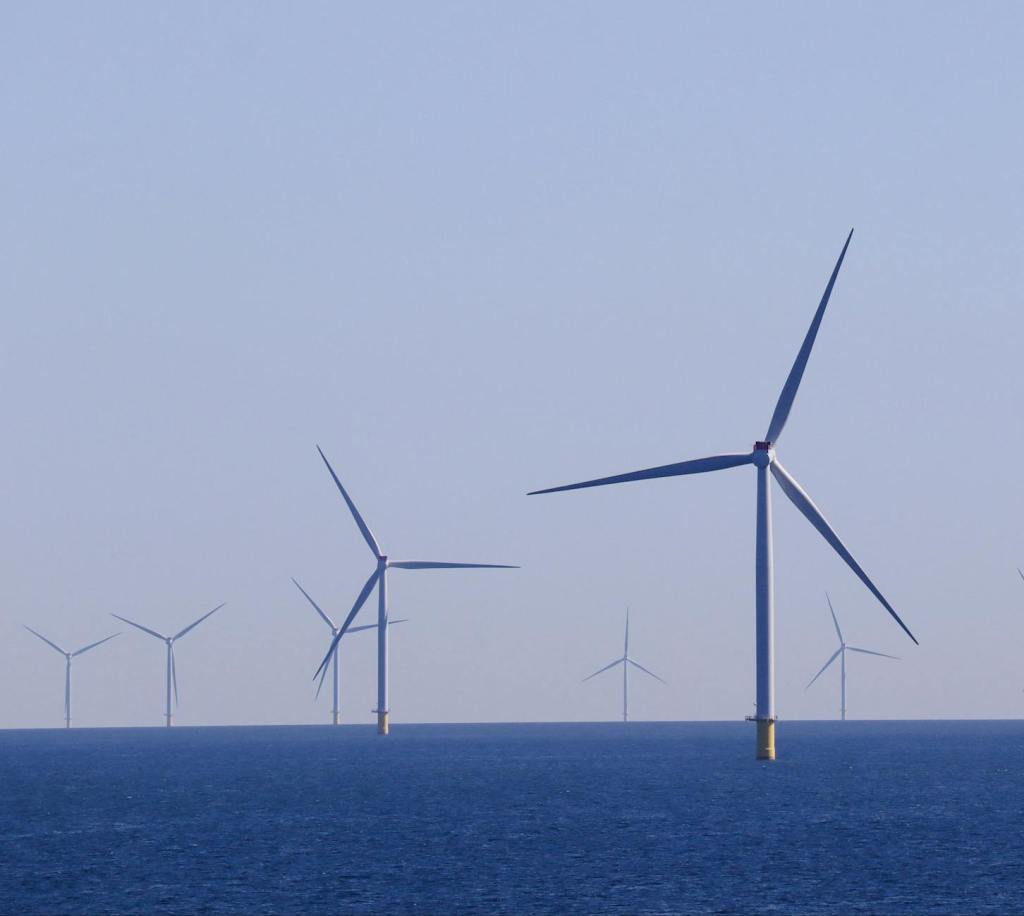
One key area of focus in ocean-based mitigation is offshore wind. The UK, in particular, has made significant strides in this field and is aiming to transition its power sector to fully clean energy by 2030. Offshore wind farms have the potential to supply substantial amounts of renewable energy, and their expansion is seen as central to both climate mitigation and energy security.
Another emerging solution is the creation of “green corridors” in maritime trade. These are designated shipping routes where ports provide low- or zero-emission fuels to vessels, thus helping decarbonize the maritime sector. Shipping accounts for nearly 3 percent of global emissions today and could rise to 10 percent by 2050 without intervention. Transitioning this sector to cleaner energy sources could not only curb emissions but also reduce ocean noise, water pollution, and air pollution in port cities.
Global shipping relies heavily on carbon-intensive fuels, making it a significant target for emissions reduction. Shifting the industry toward cleaner fuels and energy efficiency measures could bring both environmental and public health benefits.
As preparations for COP30 continue, there is a strong push from governments, NGOs, and international alliances to ensure that the ocean is no longer sidelined. This includes engaging a broad coalition of actors—from Indigenous communities and scientists to private sector leaders—to present actionable, ocean-based climate solutions during negotiations. With the next summit set to take place in Brazil’s Amazon region, the message is clear: land and sea must be addressed together in the fight against climate change.




 PARYAWARAN
Leave a comment