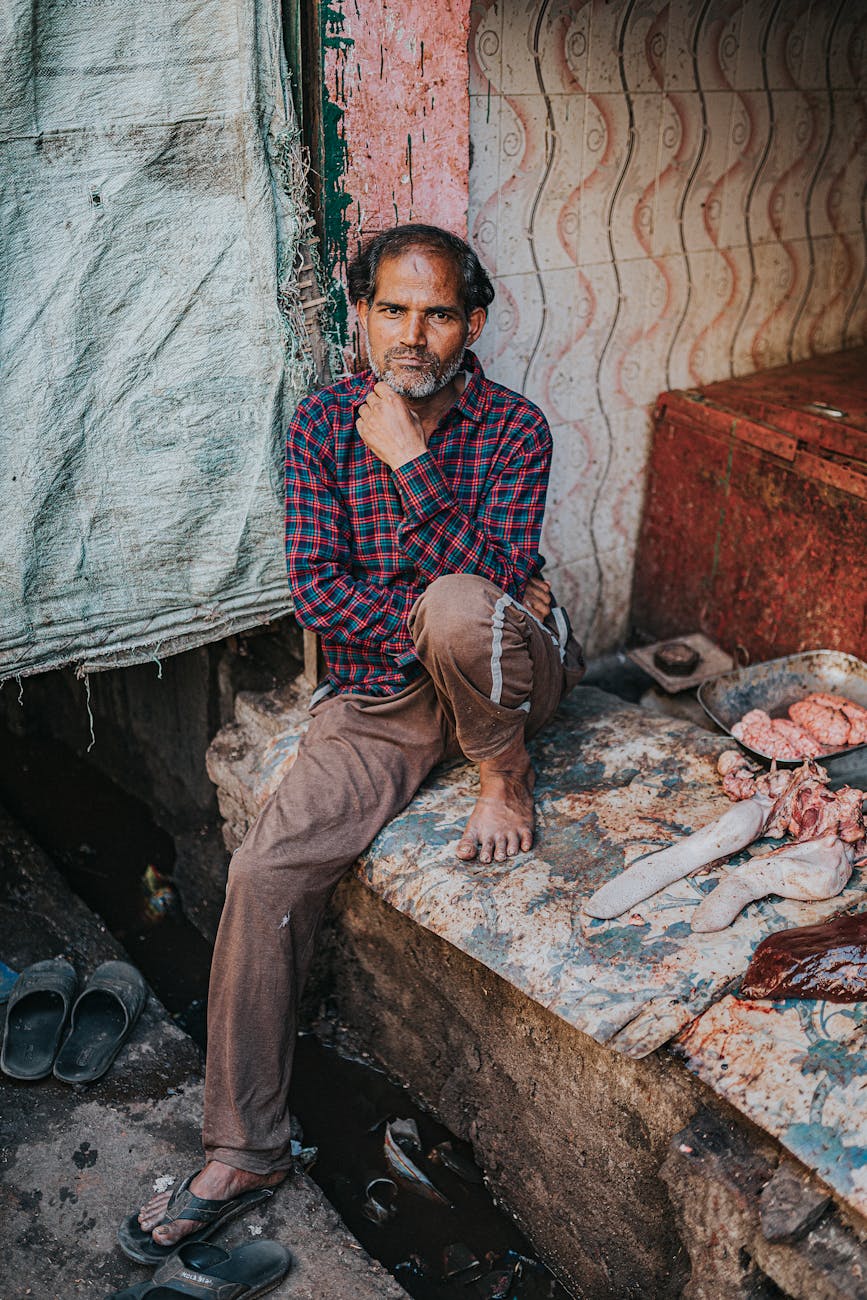
India is facing a growing public health crisis as chronic kidney disease of unknown origin (CKDu) emerges as a major concern among outdoor laborers, particularly in rural and tropical regions. The disease, once largely confined to agricultural zones in Central America and Sri Lanka, is now spreading across India, with climate change and occupational heat stress identified as key contributing factors.
CKDu is distinct from traditional forms of chronic kidney disease, which are commonly linked to conditions like diabetes or high blood pressure. In contrast, CKDu affects individuals with no history of such underlying health issues. It is particularly prevalent among workers exposed to extreme temperatures, such as those employed in agriculture, construction, sanitation, and salt pans.
India’s rising temperatures, intensified by global climate change, have increased the duration, intensity, and frequency of heatwaves. Outdoor laborers, who often work long hours without adequate access to shade, rest, or drinking water, are particularly vulnerable. Studies have shown that many such workers operate in conditions far exceeding internationally accepted heat exposure limits. In regions like Tamil Nadu and Odisha, significant portions of the working population have shown signs of kidney dysfunction linked to repeated heat stress and dehydration.
One of the challenges in addressing CKDu in India is the lack of a centralized registry or database tracking its spread. However, localized studies indicate alarming trends. For example, in farming regions such as Uddanam in Andhra Pradesh, it is estimated that up to 60 percent of the local population may be affected. Similarly, a large-scale urine testing initiative in Tamil Nadu revealed that more than half of individuals diagnosed with chronic kidney disease had no known predisposing health conditions.
Research has consistently linked CKDu with environmental and occupational factors, particularly the chronic dehydration that results from working in hot and humid conditions. During extended shifts, some laborers consume as little as one liter of water — far below the recommended one liter per hour in high heat settings. Over time, this leads to repeated episodes of acute kidney injury, which, if not treated early, can result in irreversible kidney damage and end-stage renal disease.
Compounding the health risks are socioeconomic challenges. Many workers delay seeking medical attention due to the fear of losing wages, and those who are diagnosed often struggle with the high costs of treatment. Dialysis, the most common form of treatment for advanced kidney disease, is financially out of reach for many. Although government programs offer free dialysis for poor patients, availability remains limited, especially in rural areas.
Public health experts warn that unless preventive measures are urgently adopted, the burden of CKDu will continue to escalate. Preventive strategies are relatively simple but crucial: regular access to clean drinking water, mandatory rest breaks, shaded work environments, and changes in workplace policies that discourage continuous labor under extreme conditions. These changes not only protect workers’ health but have also been shown to improve productivity and reduce long-term healthcare costs.
India’s healthcare system, already stretched, may face unsustainable pressure if the CKDu epidemic continues unchecked. The disease disproportionately affects marginalized populations with the least access to healthcare and the highest exposure to occupational hazards. Without early detection and prevention, many individuals will continue to suffer from severe kidney complications at younger ages.
CKDu is more than a medical issue; it reflects deep-rooted structural inequities in labor protections, healthcare access, and climate resilience. The path forward involves addressing both environmental drivers and systemic gaps in worker safety and health infrastructure. Without timely action, the intersection of climate change, poverty, and labor exploitation could result in a public health emergency affecting millions across India.



 PARYAWARAN
Leave a comment