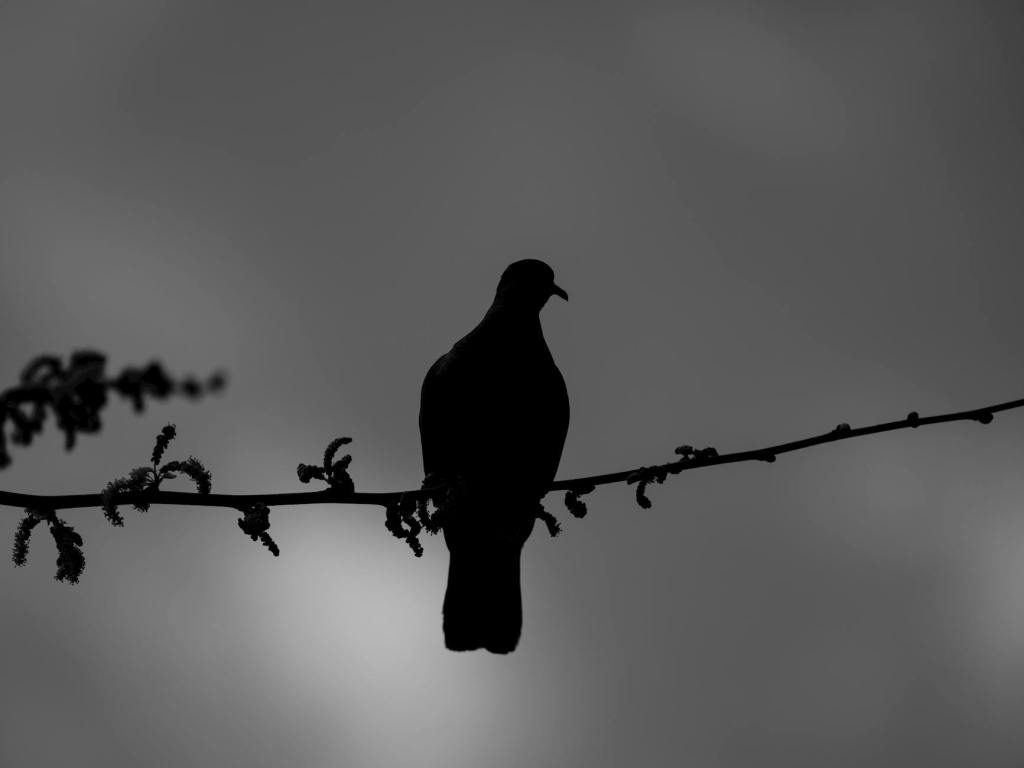
A critically endangered bird species, extinct in the wild for over 50 years, has taken a major step toward recovery with the successful hatching of a Socorro dove chick at a zoo in Bedfordshire, England. The chick emerged from its egg in late August at Whipsnade Zoo, marking a significant achievement for global efforts to restore the species to its natural habitat.
The Socorro dove, once native to Socorro Island off the coast of Mexico, has not been seen in the wild since 1972. Habitat destruction, particularly widespread deforestation, led to the bird’s extinction in its natural environment. Since then, the species has survived solely through the work of dedicated conservationists and breeding programmes in zoos and wildlife institutions around the world.
The recent hatching at Whipsnade Zoo is part of an international conservation breeding programme aimed at boosting the population of Socorro doves in human care, with the long-term goal of reintroducing them to their native island habitat. The arrival of the chick is viewed as a major milestone in these efforts and offers new hope for a species that has teetered on the brink of permanent extinction.
Currently, only around 209 Socorro doves remain in the world, all living under human care in fewer than 50 conservation institutions. The growing population at Whipsnade Zoo and its sister facility, London Zoo, now represents nearly 5% of the species’ global population. Nine other chicks have successfully hatched at the London site, making the two zoos key contributors to the global survival of the species.
The newly hatched chick at Whipsnade Zoo has already fledged the nest, which is an early step toward independence. Although it is still reliant on its parents for feeding, it has begun learning to forage and explore its environment. The parenting process has been closely monitored by avian specialists, who report that the chick is developing well and growing quickly under the careful care of its adult guardians.
Rearing Socorro doves in captivity is a delicate process that involves closely replicating their natural environment and behaviours. The role of the parent birds is vital, as they not only feed the chick but also model important survival behaviours. Conservation teams provide support while allowing natural parenting instincts to guide the chick’s development.
The ultimate goal of the breeding programme is the reintroduction of these birds to Socorro Island, restoring ecological balance and returning the species to the place it once called home. Reintroduction will require not only a stable population but also restoration of the island’s woodland habitat to ensure the doves have the shelter and food sources they need to thrive.
With each successful hatching, the future of the Socorro dove becomes a little more secure. This latest development highlights the critical role that conservation breeding programmes and zoo-based initiatives play in preserving the world’s most threatened species. It is a testament to the importance of long-term commitment and international cooperation in the fight against extinction.




 PARYAWARAN
Leave a comment