A recent study by the Centre for Sustainable Development (CSD) at the Gokhale Institute of Politics and Economics (GIPE), Pune, has revealed that farmers in Maharashtra are facing staggering annual agricultural losses—estimated between ₹10,000 crore and ₹40,000 crore—due to wildlife attacks on crops. Despite the scale of destruction, only about 1–2% of these losses are compensated, underscoring a critical gap in the state’s human–wildlife conflict management system.
The comprehensive study, titled “Human–Wildlife Conflicts: An Estimation of Net Agricultural Losses in Maharashtra,” was released on October 3. It draws upon interviews with 1,200 farmers conducted between July 2024 and July 2025, covering diverse regions across the state. The findings highlight both the economic impact of wildlife depredation and the socio-ecological consequences that follow when compensation and mitigation systems fail to protect rural livelihoods.
According to the report, 54% of surveyed farmers had stopped cultivating at least one crop after repeated destruction by wild animals, while 62% reported reducing their overall cultivated area. This contraction in agricultural activity was not confined to forest-adjacent regions alone. Even in relatively low-forest zones such as Marathwada and Khandesh, a significant number of farmers reported abandoning certain crops altogether due to the persistence of wildlife attacks.
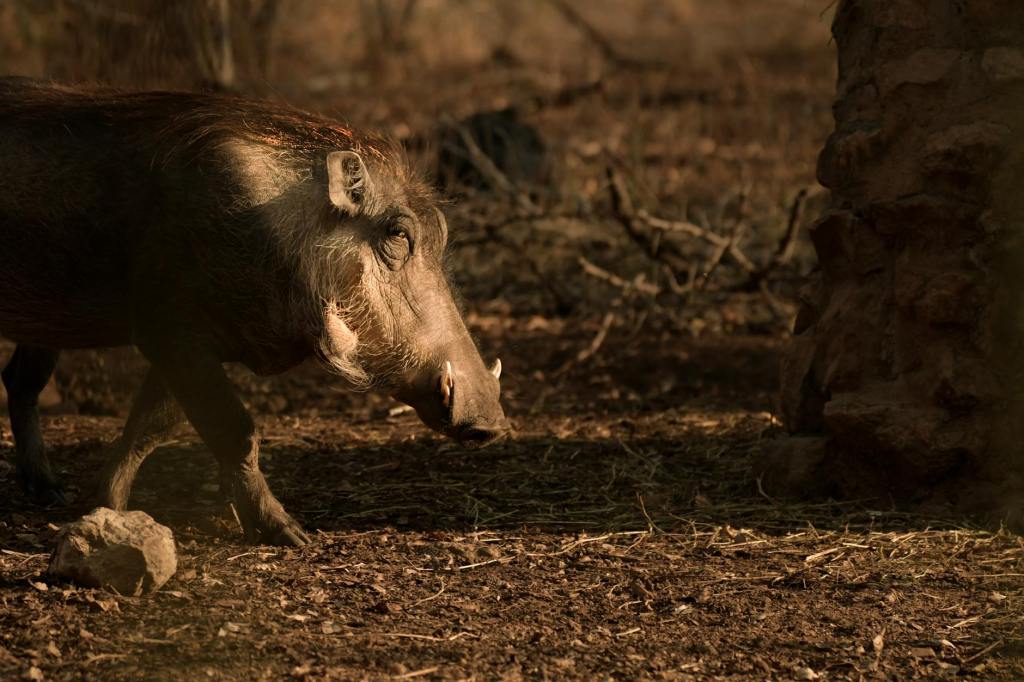
The study attributes much of this loss to a handful of species that have adapted to agricultural landscapes. The wild boar emerged as the most destructive animal, affecting more than four out of every five respondents. In the Konkan region, langurs and macaques were reported as major crop raiders, troubling nearly two-thirds of farmers. Nilgai and sambar were identified as leading threats in Marathwada and Vidarbha, while smaller animals such as porcupines, gaur, leopards, and hares were found to cause substantial localised damage.
Researchers observed that despite the existence of a compensation mechanism under the Right to Services Act (2015), most affected farmers receive little or no relief. The study found that bureaucratic delays, lengthy claim procedures, and lack of awareness about the compensation process have discouraged many from even applying. Those who do often receive payouts that amount to only a fraction of their actual losses.
The report warns that such economic distress could deepen the ongoing crisis in the agricultural sector and exacerbate tensions between rural communities and wildlife conservation efforts. Many farmers expressed frustration over the perceived imbalance between policies protecting animals and those safeguarding livelihoods. The growing sentiment, according to the study, is one of helplessness and resentment, as recurring crop losses continue to undermine incomes and push some families toward financial instability.
The findings further stress that the issue must not be viewed as a binary conflict between ecology and economics. Instead, it calls for an approach centered on coexistence, where both wildlife and farming communities can sustain themselves without mutual detriment. The report recommends a thorough overhaul of the compensation process to ensure timely and fair payouts, greater transparency, and increased awareness among farmers about their rights and the procedures involved.
Additionally, the study urges the state government to invest in preventive measures such as better fencing, community-based monitoring, and use of technology-driven deterrents. It also suggests that local forest and agriculture departments work collaboratively to create region-specific management plans that reflect the diversity of wildlife pressures across Maharashtra’s varied landscapes.
With wildlife-related crop destruction rising steadily, the report concludes that failure to address the problem could have far-reaching consequences for both conservation and food security. As the institute prepares to submit its policy recommendations to the state government within the next month, the study stands as a call for urgent, science-based reforms that protect not only the forests and animals of Maharashtra but also the farmers who share their boundaries.



 PARYAWARAN
Leave a comment