
A new United Nations report has revealed that nearly 900 million people around the world are simultaneously exposed to the escalating effects of the climate crisis, including extreme heat, floods, droughts, and air pollution. The findings highlight a dangerous intersection between environmental hazards and persistent poverty, painting a sobering picture of inequality in the era of global warming.
Released ahead of the upcoming COP30 climate summit in Brazil, the 2025 Global Multidimensional Poverty Index was jointly developed by the United Nations Development Programme (UNDP) and the Oxford Poverty and Human Development Initiative (OPHI). For the first time, researchers overlaid global climate hazard data with multidimensional poverty indicators, offering a comprehensive view of how the world’s poorest populations are bearing the brunt of the planet’s instability.
The study emphasizes that poverty today cannot be understood solely through income levels. Instead, it must be viewed through a multidimensional lens that considers overlapping deprivations such as lack of healthcare, education, housing, clean water, and secure employment. The report concludes that these deprivations are now being deepened and accelerated by environmental pressures, creating an intertwined crisis of poverty and climate vulnerability.
A Convergence of Crises
The report identifies 887 million people living in acute multidimensional poverty who are also exposed to at least one climate hazard. Among them, 651 million face two or more hazards simultaneously, while about 309 million people endure three or four overlapping threats—a “triple or quadruple burden” that compounds their existing hardships.
Extreme heat is the most widespread hazard, affecting 608 million poor people worldwide. Air pollution impacts 577 million, floods threaten 465 million, and 207 million live in regions frequently struck by drought. Together, these hazards are amplifying the everyday struggles of communities that are already marginalized and resource-poor.
The report underscores that the cumulative effect of these overlapping crises multiplies vulnerability, disrupts livelihoods, and erodes the limited coping capacities of affected populations. It calls attention to the need for development and climate policies that address both poverty and environmental resilience together, rather than in isolation.
Regional Hotspots of Vulnerability
The study identifies South Asia and Sub-Saharan Africa as the global hotspots where climate risks and poverty intersect most severely. In South Asia, the exposure is almost universal—an estimated 99 percent of poor people, or about 380 million individuals, live in areas affected by one or more climate hazards. In Sub-Saharan Africa, about 344 million poor people are exposed to similar compounded threats.
Lower middle-income countries are also shouldering the heaviest burden. Around 548 million people in these nations live in poverty while being exposed to at least one climate hazard, and nearly 470 million face two or more. These overlapping risks threaten to reverse years of progress in poverty reduction and sustainable development.
Poverty Beyond Income
The Global Multidimensional Poverty Index challenges traditional definitions of poverty that rely solely on income thresholds. While the international poverty line remains a reference point—set at less than $3 a day—the multidimensional approach captures the broader and more complex realities of deprivation.
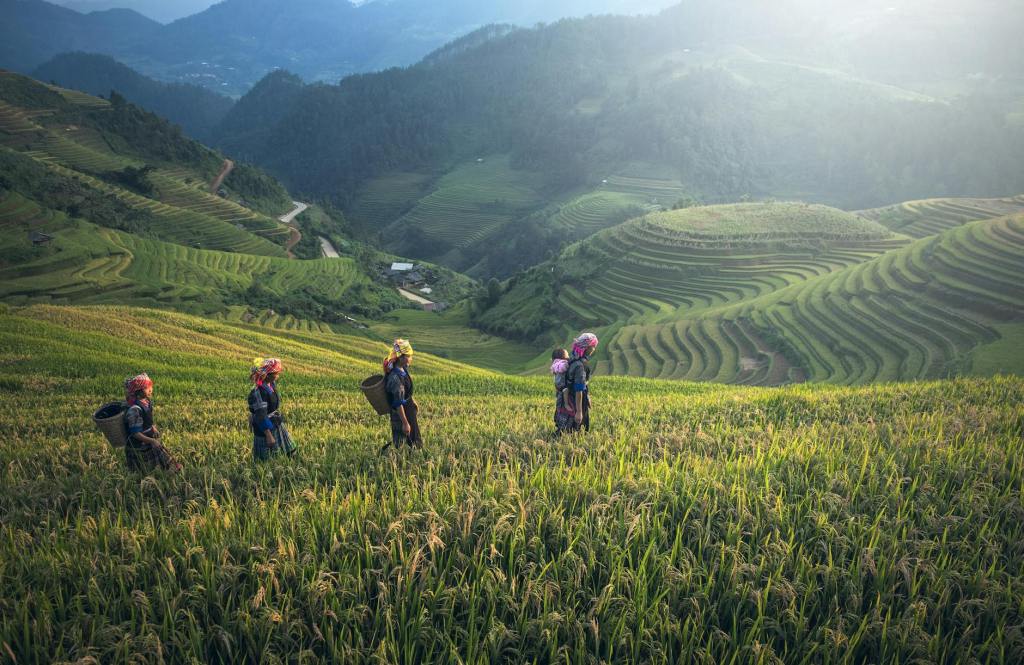
A household may have some income but still lack clean water, reliable energy, access to schools, or healthcare facilities. Overcrowded housing, insecure informal jobs, and lack of basic services can perpetuate cycles of deprivation, even in urban areas where infrastructure technically exists. The report uses field examples to illustrate how poverty manifests across different dimensions, emphasizing that such conditions make communities far less able to adapt to climate stress.
An Urgent Call for Action
The UN report issues a stark warning that without decisive global action, these overlapping burdens will intensify as the planet continues to warm. Rising temperatures, shifting rainfall patterns, and increasingly frequent extreme weather events will further undermine the fragile resilience of impoverished communities.
The findings arrive at a crucial moment, as world leaders prepare to meet in Brazil for COP30. The report urges governments and international agencies to integrate climate resilience into poverty eradication strategies, focusing on areas where human vulnerability and environmental stress are most intertwined. It calls for policies that not only reduce emissions but also strengthen livelihoods, improve education and healthcare, and ensure equitable access to clean energy and infrastructure.
The report emphasizes that addressing global poverty and achieving climate stability are inseparable goals. Failure to act on this dual challenge risks leaving nearly a billion people trapped in cycles of deprivation and exposure to escalating climate shocks. It warns that unless national climate pledges and development commitments are revitalized, progress on global poverty reduction could stagnate or even reverse.
As the world approaches a critical decade for both climate and development, the UN’s analysis serves as a reminder that sustainable progress will depend not just on economic growth, but on protecting those most vulnerable to the converging crises of inequality and environmental change.


 PARYAWARAN
Leave a comment