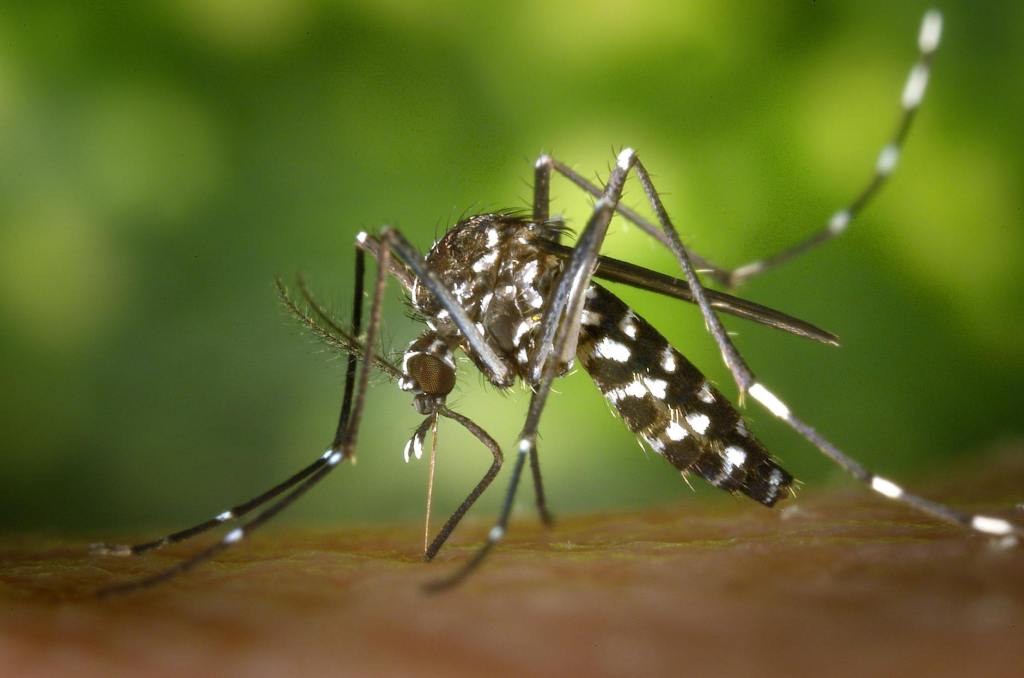
For the first time in recorded history, mosquitoes have been discovered in Iceland — a nation long believed to be one of the last remaining places on Earth free from the blood-sucking insects. Scientists attribute this unprecedented finding to the accelerating impacts of climate change, which are rapidly transforming Iceland’s environment and making it more suitable for species previously unable to survive there.
Until recently, only two regions in the world were considered mosquito-free: Iceland and Antarctica. This status has now changed as researchers confirmed the presence of the mosquito species Culiseta annulata in western Iceland. The discovery marks a striking ecological shift for a country known for its cold, harsh climate that historically prevented mosquitoes from breeding or surviving through winter.
Experts have long warned that rising global temperatures would enable mosquitoes to expand their range northward. Iceland, which is warming nearly four times faster than the rest of the Northern Hemisphere, is now experiencing those predictions firsthand. The country’s glaciers are retreating at an alarming rate, and its coastal and freshwater ecosystems are warming — creating new habitats ideal for mosquito breeding.
The recently discovered mosquitoes were collected in mid-October from an area surrounded by marshes and small ponds — the types of habitats that provide abundant opportunities for mosquito larvae to develop. The specimens, consisting of two females and one male, were captured on wine ropes used as insect attractants. They were later confirmed by entomologists as belonging to Culiseta annulata, a species known for its cold resistance.
This mosquito species, native to parts of Europe and Asia, is particularly adept at surviving cooler climates. It can overwinter in sheltered places such as basements, barns, or cellars, re-emerging in spring when temperatures rise. Its ability to endure cold weather makes it one of the few mosquito species capable of establishing a population in northern regions like Iceland.
Scientists note that the discovery does not necessarily mean Iceland will immediately face a widespread mosquito infestation. However, it signals that the country’s climate is becoming increasingly favorable to species that were once unable to survive there. Iceland’s abundant wetlands, ponds and temporary pools — combined with milder winters and longer summers — now provide suitable breeding conditions for mosquitoes.
In recent years, global heating has caused major ecological changes in Iceland. The nation’s glaciers are retreating at unprecedented rates, rivers are carrying warmer water, and southern fish species such as mackerel have migrated into Icelandic waters. These changes reflect a broader trend across the Arctic and sub-Arctic regions, where ecosystems are shifting faster than ever recorded.
The emergence of mosquitoes adds another dimension to these transformations. Although Culiseta annulata is not a known carrier of tropical diseases, its presence in Iceland suggests that other species, including invasive mosquitoes capable of transmitting viruses, could eventually spread farther north as the climate continues to warm.
Elsewhere in Europe, similar developments have been documented. In the United Kingdom, eggs of the Egyptian mosquito (Aedes aegypti), a vector for diseases such as dengue, chikungunya and Zika virus, were found earlier this year. The Asian tiger mosquito (Aedes albopictus), another invasive species capable of transmitting similar diseases, has also been discovered in southern England. These findings underscore the growing influence of climate change on insect distribution and the associated risks to public health.
While Iceland’s newly discovered mosquitoes are unlikely to pose an immediate health threat, their arrival signals that the country’s environmental conditions have crossed a biological threshold. The insects’ survival through the nation’s notoriously cold winters will depend on their ability to find adequate shelter — something increasingly possible as more buildings and heated spaces offer refuge.
Entomologists emphasize that the detection was aided by citizen science. The mosquitoes were first observed by a nature enthusiast conducting insect monitoring activities. The specimens were subsequently sent to a scientific institute, where their identification confirmed the first verified occurrence of mosquitoes in Icelandic history. The discovery demonstrates the value of public participation in tracking environmental changes and biodiversity shifts caused by global warming.
The establishment of mosquitoes in Iceland reflects the broader planetary consequences of the climate crisis. As temperatures rise, species are moving beyond their historical ranges, altering food webs, spreading diseases and reshaping local ecosystems. Insects, with their rapid reproduction rates and adaptability, are among the fastest responders to these shifts.
For Iceland, this development may be an early warning of what lies ahead. The country’s ecosystems, once defined by cold stability, are now in flux. Warmer weather, longer growing seasons and increasing human activity are transforming not only its landscape but also its biological identity. The arrival of mosquitoes — once unimaginable in such a cold environment — symbolizes how even the world’s most remote regions are no longer insulated from the accelerating pace of global climate change.
As researchers continue to monitor these developments, the discovery of mosquitoes in Iceland serves as a striking reminder that the boundaries of nature are shifting in real time. The insects’ presence is not just a biological curiosity, but a visible sign of a rapidly warming planet — and a preview of the ecological surprises the future may hold.




 PARYAWARAN
Leave a comment