The world’s birds are facing a deepening crisis, with over half of all species now experiencing population declines, according to the latest update of the International Union for Conservation of Nature (IUCN) Red List of Threatened Species. The update paints a stark picture of global biodiversity loss driven by deforestation, climate change, and habitat degradation, while also offering rare glimmers of hope where long-term conservation action has yielded results.
The IUCN Red List now evaluates 172,620 species worldwide, of which 48,646 are threatened with extinction. The new assessment highlights severe declines among birds and marine mammals, especially those dependent on stable climate and sea-ice conditions. Meanwhile, a few species — including the green sea turtle — have shown signs of recovery, underscoring the potential of sustained conservation efforts.
Bird Populations in Freefall
Globally, 61% of the world’s bird species are in decline — a sharp rise from 44% recorded in 2016. The latest analysis, based on reassessments of 1,360 species, marks the eighth comprehensive review of all bird species, undertaken over nearly a decade. Of the 11,185 bird species assessed, 1,256 are now considered globally threatened.
The principal driver of these declines is habitat loss and degradation, primarily due to deforestation, agricultural expansion, and logging. These pressures have devastated bird populations across tropical forests in regions such as Madagascar, West Africa, and Central America. In Madagascar, several endemic species have been uplisted to higher threat categories, reflecting the rapid loss of their forest habitats. In West Africa, tropical forest fragmentation and hunting have pushed hornbills and other large birds closer to extinction. Central America, too, has seen forest-dependent species suffer from widespread land conversion for farming and infrastructure.
Birds are crucial to maintaining healthy ecosystems, serving as pollinators, seed dispersers, scavengers, pest controllers, and ecosystem engineers. Their loss therefore poses cascading risks for biodiversity, ecosystem resilience, and human well-being. For instance, tropical hornbills disperse tens of thousands of large seeds per square kilometre each day, supporting forest regeneration and carbon storage. The continued decline of such keystone species could have long-lasting ecological consequences.
The IUCN report calls for urgent global action to curb deforestation, restore native forests, and strengthen the implementation of international conservation agreements. It also stresses that successful examples of bird recovery, such as the revival of certain island endemics following habitat restoration, demonstrate what can be achieved through persistent, coordinated conservation.
Climate Change Threatens Marine Mammals
The Red List update also highlights growing threats to marine mammals, particularly ice-dependent seals. Climate change has been identified as the main driver of their decline. The hooded seal is now listed as “endangered,” while the bearded and harp seals have been classified as “near threatened.” Rapid warming in the Arctic — occurring at four times the global average rate — is reducing the extent and duration of sea ice, depriving these species of essential breeding, feeding, and resting platforms.
The loss of sea ice not only threatens seals but also disrupts entire polar ecosystems. Seals are key prey for predators such as polar bears and play a vital role in nutrient cycling. Their decline has ripple effects across the Arctic food web, affecting marine biodiversity and the livelihoods of Indigenous communities who depend on these ecosystems for sustenance.
Other ice-dependent species, including walruses, Antarctic ice seals, and the Caspian seal, face similar threats from melting ice, habitat disturbance, and human activities such as shipping, oil exploration, and fisheries bycatch. The IUCN emphasizes the urgent need to safeguard key Arctic habitats, minimize industrial disturbance, and manage hunting and fisheries sustainably to slow the decline of these species.
Conservation Success: Green Sea Turtle Rebounds
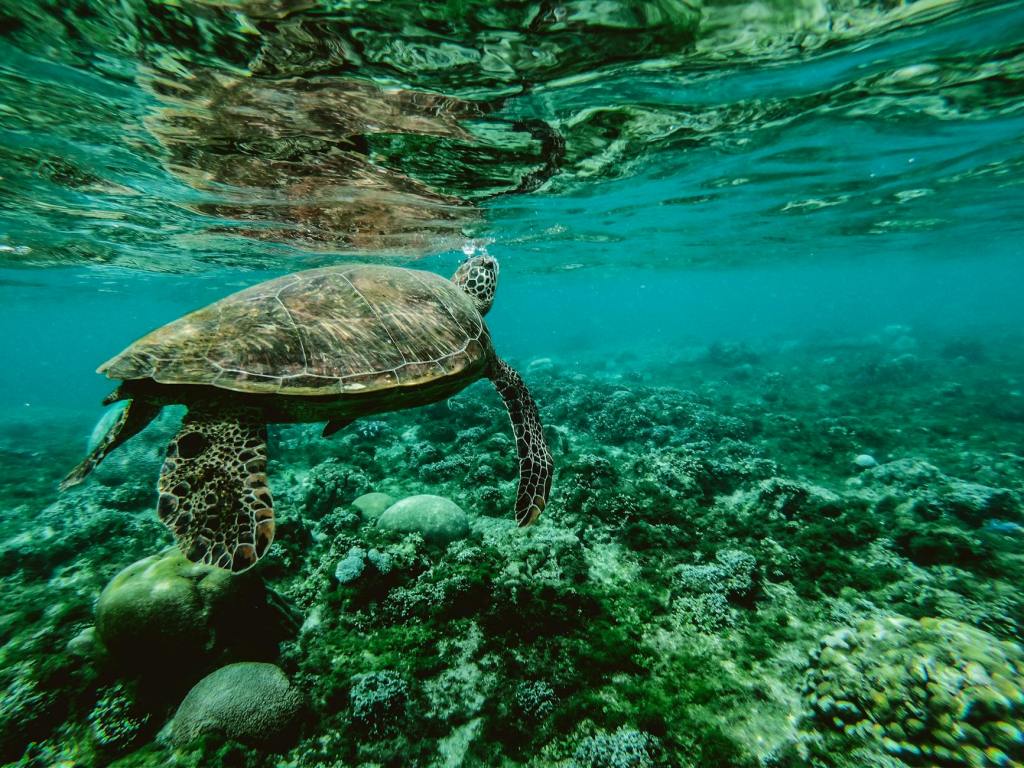
Amid widespread biodiversity decline, the recovery of the green sea turtle stands out as a symbol of hope. Once considered endangered, the species has now improved to “least concern” on the Red List. The global population of green turtles has increased by approximately 28% since the 1970s, a result of decades of targeted conservation efforts.
Found in tropical and subtropical waters, green turtles play a critical ecological role in maintaining healthy seagrass meadows and coral reefs. Their recovery has been driven by the protection of nesting beaches, the use of Turtle Excluder Devices in fishing gear to reduce accidental capture, and community-based initiatives to curb unsustainable harvesting. Successful programs in regions such as Ascension Island, Brazil, Mexico, and Hawai‘i have helped some subpopulations rebound to near-historic levels.
However, the IUCN warns that despite this global improvement, green turtles remain far below pre-colonial population levels. They continue to face threats from egg harvesting, fisheries bycatch, habitat destruction, and the impacts of climate change on nesting beaches. Sustaining their recovery will require ongoing protection of both nesting sites and ocean habitats.
Species Lost to Extinction
The latest Red List update also records six species as newly extinct. These include the Christmas Island shrew, the slender-billed curlew — a migratory shorebird last recorded in the 1990s — and a cone snail species, along with a tree species related to ebony, last seen in the 1850s. Three Australian bandicoot species and a Hawaiian plant are also now formally listed as extinct.
The addition of these species to the Extinct category serves as a sobering reminder of the irreversible consequences of delayed conservation action. Once lost, the ecological roles of these species — whether in pollination, seed dispersal, or soil maintenance — can rarely be replaced.
A Call for Global Action
The Red List update provides a comprehensive snapshot of the planet’s biodiversity in crisis. The scale of decline among birds, mammals, and other species illustrates the accelerating nature of the extinction emergency. Yet, examples such as the recovery of the green sea turtle show that with consistent, science-based conservation and international cooperation, it is possible to reverse downward trends.
The IUCN stresses that halting biodiversity loss will require tackling the root causes — unsustainable land use, overexploitation, pollution, and climate change — while strengthening legal protections and community participation in conservation. Protecting species and ecosystems is not only vital for the planet’s ecological health but also for human survival, food security, and resilience to a changing climate.



 PARYAWARAN
Leave a comment