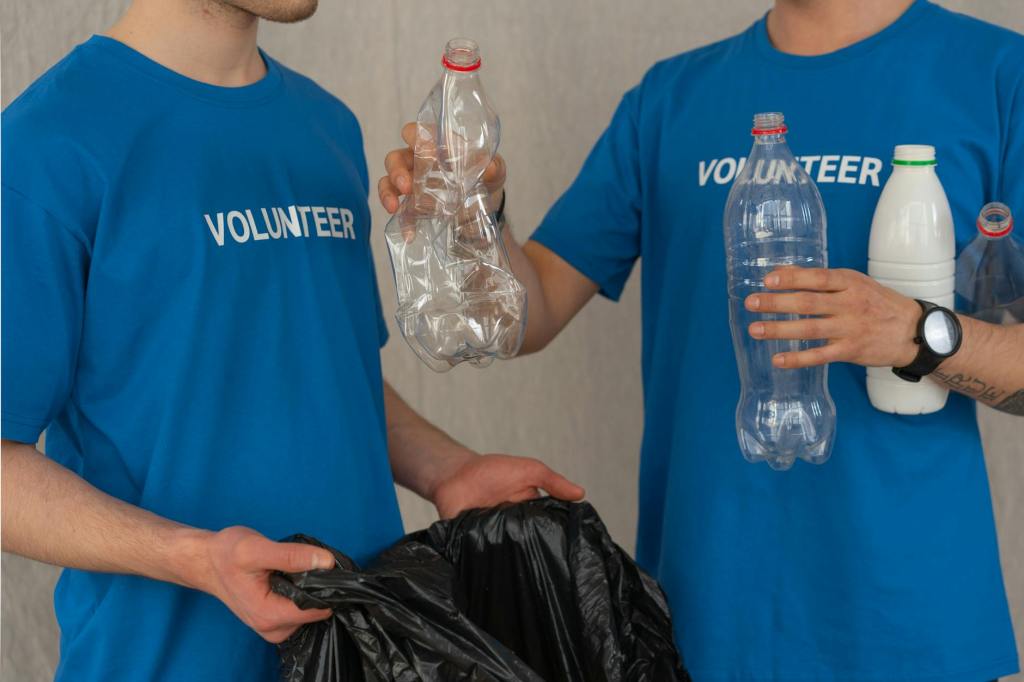
A new scientific study has raised serious concerns about the safety of recycled plastics, revealing that the process of recycling may actually increase the amount of toxic chemicals present in plastic materials. Published in the Journal of Chromatography A, the study found that polyethylene terephthalate (PET) — one of the most widely used plastics in food and beverage packaging — contains significantly higher levels of harmful chemicals after undergoing recycling.
The findings challenge the common assumption that recycling plastic is an entirely sustainable and safe solution to the global plastic waste crisis. Instead, they suggest that while recycling reduces the volume of waste entering landfills and oceans, it may also introduce new health and environmental risks by concentrating or generating toxic compounds within the material.
Researchers analyzed PET samples containing different proportions of recycled content and subjected them to varying recycling processes. The results were striking: PET made from recycled materials contained substantially higher levels of volatile organic compounds (VOCs) and phthalates — both known to have harmful effects on human health and the environment — compared to PET made entirely from virgin materials.
Moreover, the study showed a clear pattern: the more times PET was recycled, or the more complex the recycling process became, the greater the chemical contamination. The authors reported a “progressive increase” in VOC concentrations across successive stages of recycling. These volatile compounds are often associated with negative health outcomes, including respiratory irritation, endocrine disruption, and potential carcinogenic effects.
Phthalates, another group of chemicals detected at elevated levels in recycled PET, are commonly used to make plastics more flexible. However, many types of phthalates are known endocrine disruptors that can interfere with hormone systems and have been linked to developmental, reproductive, and metabolic disorders.
The study’s findings underscore an uncomfortable truth: while recycling is often promoted as an environmentally friendly practice, the process itself can compromise the quality and safety of recycled materials, particularly when these materials are reused for packaging food and beverages.
According to the researchers, hazardous substances can infiltrate plastics at multiple stages of their lifecycle — from the production of raw materials to use, disposal, and recycling. During recycling, plastics are collected, sorted, shredded, washed, melted, and reprocessed. Each of these steps can introduce or amplify chemical contamination. Recycled plastic feedstock often contains a mixture of materials from various sources, some of which may already be contaminated with additives, dyes, or residues from previous uses. When these are melted and processed together, new chemical byproducts can form, further increasing the toxicity of the resulting recycled material.
The research team also pointed to the absence of strict monitoring and regulation as a key factor contributing to this issue. Currently, there are no comprehensive global standards requiring companies to test or disclose the chemical composition of their recycled plastics. As a result, consumers — and even manufacturers — often have little knowledge of what substances are present in the materials used to make everyday items such as water bottles, food containers, or plastic film packaging.
This lack of oversight poses potential risks to public health. PET is widely used for food contact applications, and when recycled versions of this plastic contain elevated levels of VOCs and phthalates, there is a risk that these chemicals can leach out into the food or beverages they contain. The study warns that this exposure pathway could be significant, particularly for products stored over long periods or under high temperatures, which can accelerate the release of chemical residues.
Experts suggest that the findings call for an urgent reevaluation of how recycling systems are managed and regulated. They argue that a truly circular economy for plastics must not only focus on reusing materials but also ensure the chemical safety of recycled products. Without this, the process meant to reduce environmental harm could inadvertently create new threats to human health.
The study highlights the need for stronger regulatory frameworks that require companies to monitor and limit chemical contamination in recycled materials. Measures could include setting safety thresholds for recycled plastics, mandating routine chemical testing, and improving traceability in the plastic supply chain to ensure that hazardous materials are not reintroduced during recycling.
Furthermore, researchers emphasize the importance of investing in cleaner recycling technologies. Advanced processes such as chemical recycling — which breaks plastics down into their molecular components — may offer safer alternatives if managed properly, though these technologies also raise their own environmental and economic concerns.
Ultimately, the findings serve as a reminder that recycling, while essential to managing plastic waste, is not a perfect solution. Without robust safeguards and a clearer understanding of chemical risks, the push toward greater use of recycled plastics could unintentionally compromise consumer safety.
As global plastic production continues to rise and recycled content becomes increasingly integrated into packaging and consumer goods, addressing the chemical hazards of recycling will be critical to ensuring that environmental progress does not come at the cost of public health.




 PARYAWARAN
Leave a comment