In Finland, a quiet revolution is taking place in early childhood education—one that blends ecology, health, and learning in a single radical experiment. Kindergartens across the country are bringing the forest into their playgrounds, exposing children to mud, moss, and microbes in a bid to reconnect them with nature—and the results are reshaping ideas about childhood health and wellbeing.
What began as an unconventional pilot project has now grown into a national movement. Forty-three daycare centres across Finland have received government funding to “rewild” their outdoor spaces. These playgrounds no longer feature the typical plastic mats, asphalt, or sterile sandpits. Instead, they are teeming with life—plants, soil, moss, berries, and insects—all carefully designed to mimic the biodiversity of a natural forest.
The underlying idea is simple yet profound: human health is intimately tied to the health of the ecosystems around us. Scientists are now finding that exposure to natural environments doesn’t just build emotional and cognitive resilience in children—it fundamentally alters their biology.
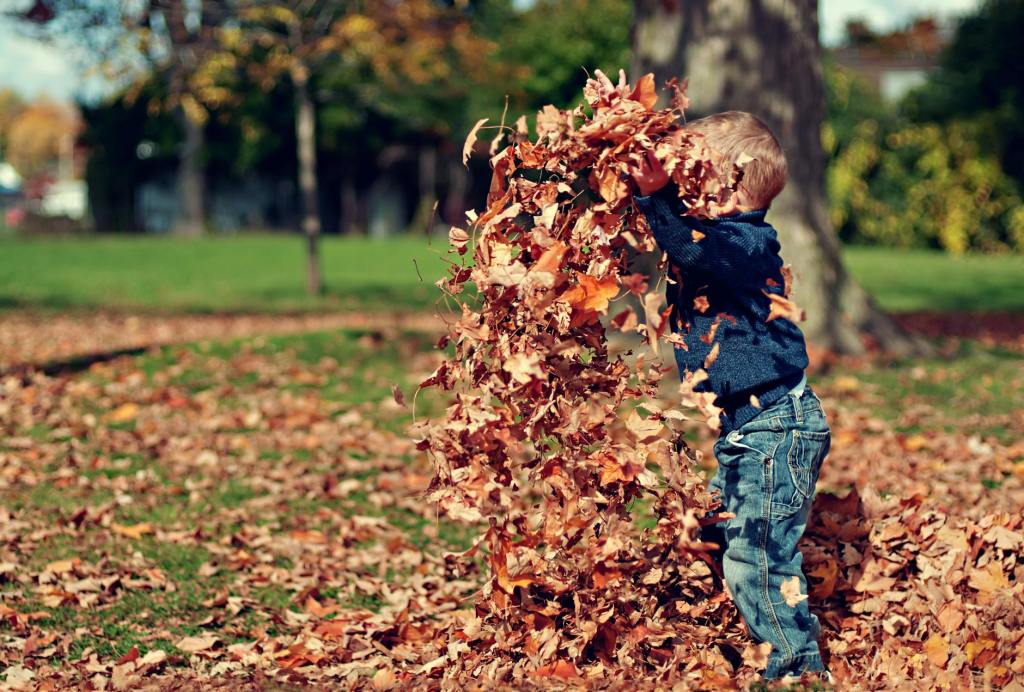
In these rewilded kindergartens, children dig in the mud, grow vegetables, forage for berries, and play among moss and leaves. Their outdoor areas feature living carpets of forest floor transplanted from nearby woodlands, complete with soil layers up to 40 centimetres deep. Once a gravel car park, one such playground has been transformed into a living wetland where children balance on rocks and explore diverse plant species.
A two-year scientific study compared these green kindergartens with conventional urban daycares dominated by synthetic surfaces. Researchers tracked 75 children between the ages of three and five, analysing the microbial diversity of their skin, saliva, and gut. The findings were remarkable. Children who played in nature-rich environments had fewer harmful bacteria on their skin, stronger immune defences, and healthier gut microbiota. Within just four weeks of exposure, their blood showed higher levels of regulatory immune cells known to protect against autoimmune diseases.
The changes were not only biological but also behavioural. Children in rewilded centres spent more time outdoors, engaged in imaginative play, and showed curiosity toward plants and insects. Their days were filled with activities that combined learning and exploration—growing vegetables, composting, and creating miniature ecosystems. These simple, playful interactions are building what scientists call the “microbial bridge” between external biodiversity and the human microbiome—the community of trillions of bacteria, fungi, and viruses that live in and on our bodies.
This connection between environmental and human microbiomes is increasingly recognized as vital to health. Modern urban lifestyles, with their sanitized homes and limited exposure to natural microbes, are being linked to rising rates of allergies, asthma, and autoimmune diseases. The “old friends” hypothesis suggests that humans evolved alongside environmental microbes that train and balance the immune system. Without contact with these organisms—through soil, plants, and air—immune function can become overactive, leading to inflammation and disease.
The Finnish experiment offers compelling evidence that restoring this contact early in life may be key to preventing illness later on. Even short-term exposure to biodiverse environments—such as playing in a sandpit enriched with garden soil—has been shown to improve immune regulation in children within weeks.
The movement is now influencing educational design across Finland. New daycare centres are being built or renovated to include green play areas filled with native plants, trees, and natural materials. Educators are shifting the focus from indoor instruction to outdoor exploration, encouraging children to experience nature firsthand. The aim is not only to promote health but also to instil environmental awareness and empathy for the living world from an early age.
Beyond Finland, the rewilding approach is inspiring educators and urban planners across Europe. Delegations from neighbouring countries have visited to study the model and explore how it could be adapted to different climates and urban contexts. In cities such as Helsinki, new daycare landscapes are being created with government support, blending play, ecology, and public health policy.
The wider implications extend beyond early education. As biodiversity loss accelerates worldwide, the Finnish experience underscores how ecological degradation can directly affect human wellbeing. Efforts to restore biodiversity in urban areas—such as planting green barriers around schools to filter air pollution—are showing measurable benefits. In one study, air quality improved significantly after vegetation was introduced around playgrounds, reducing nitrogen dioxide concentrations by more than 10%.
Rewilded kindergartens are proving that ecological restoration can begin at the smallest, most human scale—through children’s play. What was once considered “dirty” is now being redefined as essential to health. In turning car parks into forests and plastic yards into living landscapes, Finland is demonstrating that reconnecting with nature may be one of the most powerful prescriptions for the next generation’s wellbeing.
At a time when children’s contact with nature is rapidly shrinking worldwide, this forest-based experiment offers a hopeful reminder: a healthier planet begins with healthier soil—and perhaps, with a handful of mud in a child’s hands.



 PARYAWARAN
Leave a comment