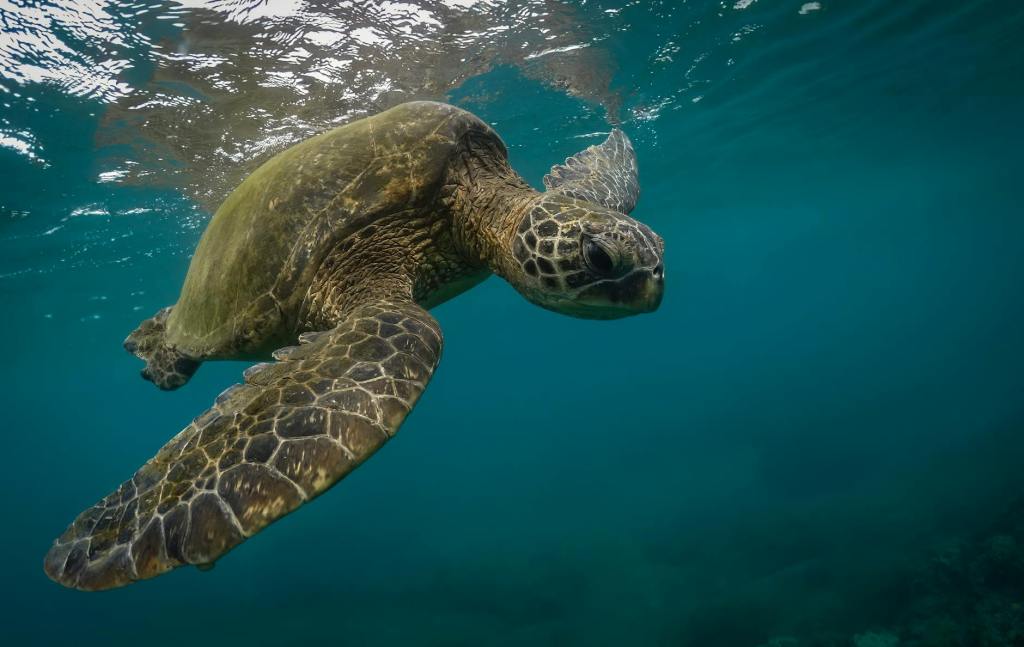
In the clear, shallow waters of Providenciales in Turks and Caicos, green sea turtles glide gracefully among seagrass meadows and coral reefs — a sight once feared to disappear forever. After decades of alarming decline, the species has made a significant comeback, marking one of the more hopeful chapters in marine conservation.
For much of the 20th century, green sea turtles hovered on the verge of extinction. Once abundant in tropical and subtropical seas, their numbers plummeted due to relentless hunting, egg collection, and habitat loss. Their meat and shells were prized commodities, and coastal development destroyed many of the sandy beaches essential for nesting. Entanglement in fishing nets and the growing tide of plastic pollution further pushed populations to collapse.
By the 1970s, scientists warned that without immediate intervention, green sea turtles could vanish from the world’s oceans. That warning became a turning point. Over the following decades, an intricate web of conservation measures began to take shape — from local community initiatives to global legal frameworks — designed to halt and reverse the species’ decline.
Recent assessments by the International Union for Conservation of Nature (IUCN) show that these efforts are paying off. The global population of green sea turtles has risen by nearly 30 percent since the 1970s. Once a rare sight in many regions, the turtles are now reappearing in waters they had long abandoned.
The recovery is the result of sustained, coordinated protection. International agreements, such as bans on the commercial trade of sea turtles and their products, have removed one of the primary pressures on the species. Many coastal nations have followed with their own laws, prohibiting the hunting of turtles and the harvesting of their eggs.
Equally vital has been the role of local communities. Grassroots conservation groups across tropical regions have taken charge of protecting nesting beaches, often patrolling at night to deter poachers and ensuring hatchlings reach the sea safely. In some places, artificial hatcheries safeguard eggs from flooding caused by rising seas and unpredictable weather — threats that have become more acute with climate change.
Conservationists have also worked to make fisheries less deadly for turtles. Modified fishing gear, including turtle excluder devices on trawl nets, allows captured turtles to escape. Public awareness campaigns have further reduced demand for turtle products and encouraged responsible coastal tourism.
Despite these successes, experts caution that the recovery remains fragile. Green sea turtles are still listed as endangered in many regions, and the species faces mounting new threats. Climate change is altering nesting conditions, skewing the sex ratios of hatchlings — as warmer sands produce mostly females. Rising seas and coastal erosion continue to endanger nesting habitats. Meanwhile, pollution, plastic debris, and boat traffic persist as hazards across much of the turtles’ range.
Furthermore, their long life cycle means that population recovery takes time. Green sea turtles can take 20 to 40 years to reach sexual maturity, and even slight increases in mortality among adults can reverse progress made over decades. Conservation programs, therefore, require ongoing funding and vigilance.
In many coastal areas, the return of green turtles has already begun to benefit marine ecosystems. By grazing on seagrass beds, the turtles help maintain healthy habitats that support countless species of fish and invertebrates. Their presence also indicates improving ocean health, reflecting the effectiveness of broader marine protection efforts.
The story of the green sea turtle is one of endurance and cooperation — proof that sustained conservation action can bring species back from the brink. But it is also a reminder that recovery is not the same as safety. The future of these ancient mariners still depends on a delicate balance between human activity and ocean health.
For now, their graceful return to the world’s tropical shallows is a symbol of what long-term commitment to conservation can achieve — and a warning that those efforts must never cease.




 PARYAWARAN
Leave a comment