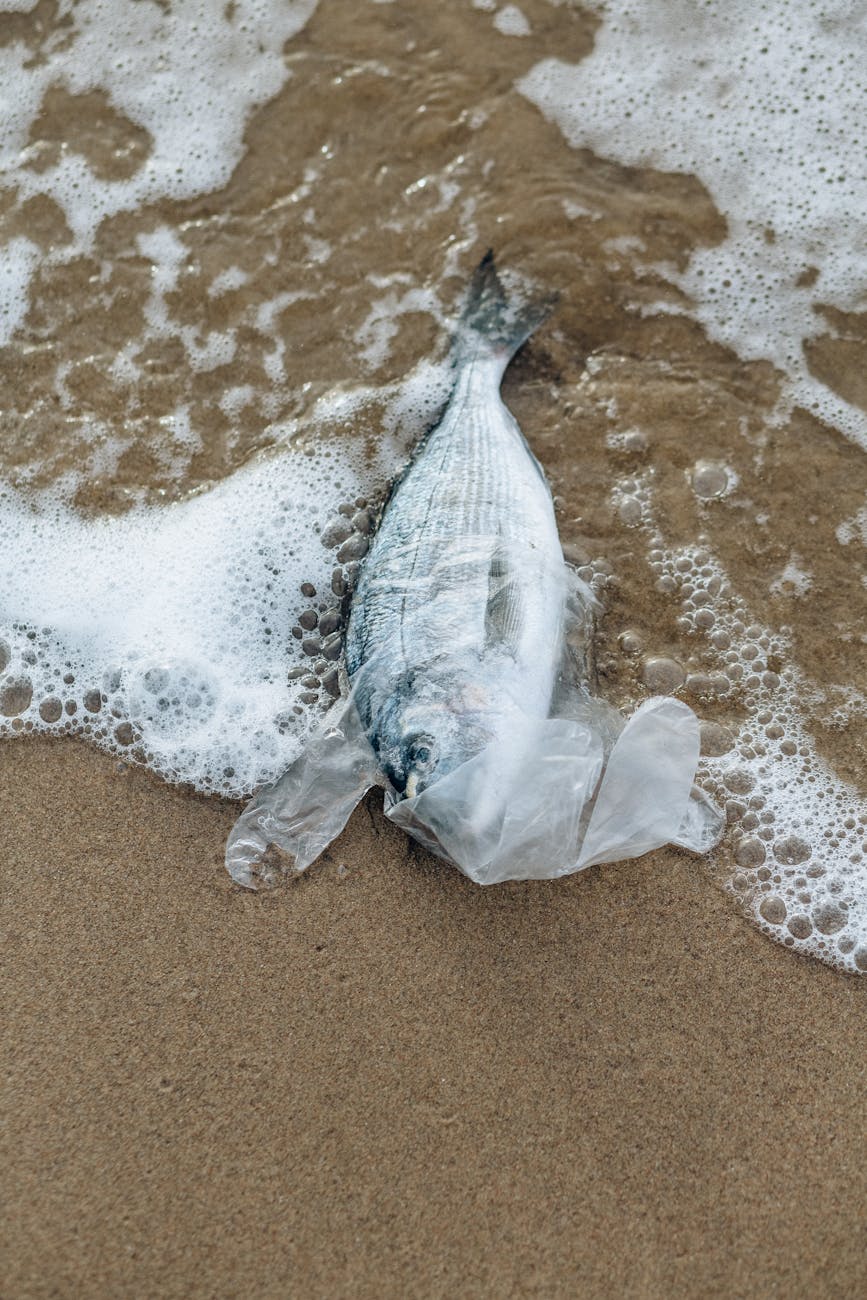
A new global analysis of more than 10,000 marine animal autopsies has revealed alarming insights into how ingesting even small quantities of plastic can lead to death in a wide range of ocean species. The findings provide the clearest estimates to date of lethal plastic thresholds for seabirds, sea turtles, and marine mammals, underscoring the escalating threat of plastic pollution in the world’s oceans.
Researchers compiled data from animals found across multiple ocean basins, examining the stomach contents of seabirds, turtles, and marine mammals such as dolphins, seals, and sea lions. The scale of plastic ingestion was striking: nearly half of the sea turtles studied contained plastic, along with one-third of seabirds and roughly one in ten marine mammals. By analysing the number and types of plastic pieces found inside these animals and comparing the data with recorded causes of death, the study estimated species-specific mortality risks tied to plastic ingestion.
For seabirds, the danger appears shockingly acute. The analysis found that swallowing just 23 pieces of plastic gives a seabird a 90% chance of dying. Many of these pieces can be extremely small—fragments of rubber smaller than a pea were identified as particularly lethal for this group. Marine mammals face similar levels of peril after consuming around 29 pieces of plastic, with soft plastics and fishing-related debris posing the greatest risks. Sea turtles, often assumed to have greater tolerance due to their larger size, also face grave threats; ingesting roughly 405 pieces of plastic raises their likelihood of death to 90%.
The researchers highlighted that even these numbers likely underestimate the true scale of harm. The study focused solely on physical ingestion and did not evaluate chemical toxicity from plastics or the dangers posed by entanglement—both widely recognised as major contributors to marine mortality. In addition, the analysis concentrated on material found in animals’ stomachs, meaning plastics lodged elsewhere in the digestive tract may not have been recorded.
One of the most striking findings was the relatively small volume of plastic required to cause fatal outcomes. For a dolphin, less than the volume of a soccer ball of soft plastic—if consumed—could prove fatal by blocking or damaging internal organs. Seabirds, due to their smaller size and delicate digestive systems, can die from ingesting just a handful of small rubber fragments or broken plastic pellets.
The study also identified important differences in which types of plastic pose the greatest threats. Rubber emerged as the most dangerous category for seabirds, while soft plastic items and derelict fishing gear were most often linked with mortality in marine mammals. Turtles faced severe risks from both hard and soft plastics, including bags, fragments, and packaging materials. These distinctions, researchers argue, point to the need for targeted interventions in global plastic management strategies.
Plastic pollution is now found in every major marine habitat, from coastal shorelines to the deepest ocean trenches. Hundreds of species—including animals central to marine food webs—have been documented with plastic lodged in their digestive systems. Birds often mistake bright plastic fragments for fish eggs, while turtles are known to confuse floating bags with jellyfish. Until now, however, there has been little quantitative understanding of exactly how much plastic ingestion different species can withstand.
The new estimates offer an invaluable resource for policymakers and conservation agencies. By establishing clearer lethal thresholds, the findings strengthen the case for global action to reduce plastic production, improve waste collection, expand recycling capacity, and accelerate cleanup efforts already under way in several regions. The analysis, published in the Proceedings of the National Academy of Sciences, adds to the growing scientific consensus that plastic pollution poses an existential threat to the health of oceans and the wildlife that depends on them.



 PARYAWARAN
Leave a comment