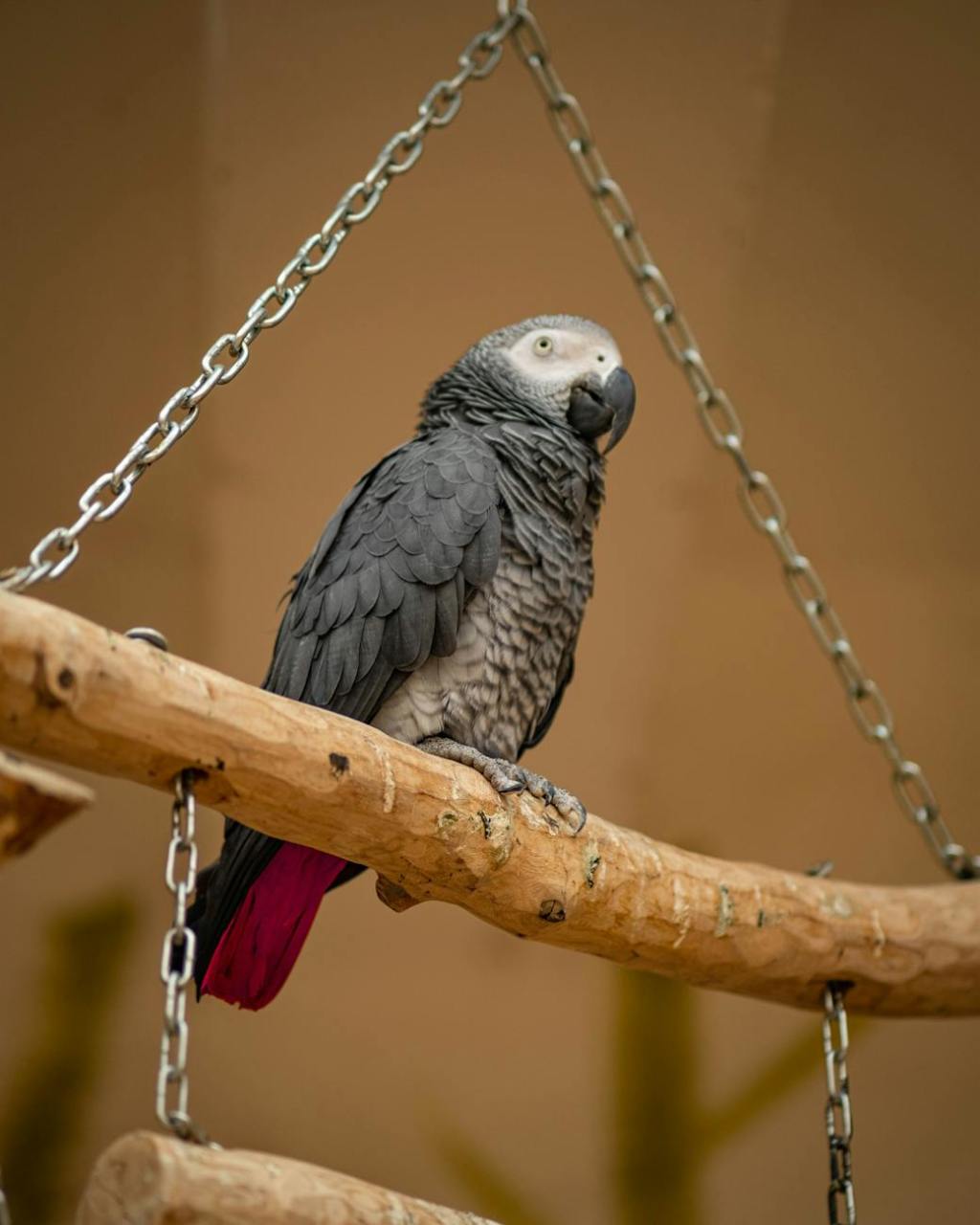
A major global conference aimed at safeguarding wildlife from the pressures of international trade opened on Monday, as 185 Parties convened for the 20th Meeting of the Conference of the Parties (CoP20) to the Convention on International Trade in Endangered Species of Wild Fauna and Flora (CITES). The high-level summit, running from 24 November to 5 December, seeks to reinforce global commitments to ensuring that trade in wild animals and plants is sustainable, legal and traceable.
CITES, in force since 1975, is one of the world’s most longstanding and influential environmental agreements. It regulates international trade in more than 40,900 species of wild flora and fauna, providing an international framework designed to protect vulnerable species threatened by overexploitation. The triennial CoP meetings serve as the decision-making platform for reviewing implementation, updating appendices, and adopting new resolutions that shape the global wildlife trade regime.
This year’s conference opens amid intensifying threats to global biodiversity. Despite several decades of progress under CITES, wildlife populations continue to decline due to illegal trade, habitat loss, climate change, and rising economic pressures. With nearly half of the world’s GDP dependent on nature and the ecosystem services it provides, conservation leaders argue that safeguarding species is not only an ecological priority but also a social and economic necessity.
The European Union and its Member States, participating as a unified bloc since becoming a full Party to CITES in 2015, have arrived in Samarkand with a strong and coordinated agenda. As the only regional organisation that is a CITES Party, the EU uses its collective voice to influence global action and reinforce science-based decision-making.
A key priority for the EU at CoP20 is strengthening sustainable, evidence-based species listings. Delegates are expected to press for listings rooted in the best available scientific information, particularly for species at risk from unsustainable harvesting or unregulated international trade. The EU has submitted or co-sponsored eight proposals to include species in Appendix II, targeting eels, sharks, sea cucumbers, water frogs and one plant species. These proposals aim to curb illegal trade, promote sustainable use, and enhance long-term species survival.
Marine and freshwater conservation features prominently in the EU’s strategy. With aquatic species facing unprecedented exploitation, the bloc intends to support stronger protections for several species vulnerable to trafficking or unsustainable harvesting. The increasing recognition of oceans and freshwater systems as critical biodiversity reservoirs underscores this focus.
Another central theme at CoP20 is combating wildlife trafficking. The EU is advocating for stronger global cooperation through initiatives such as the International Consortium on Combating Wildlife Crime (ICCWC). Enhanced enforcement support for national authorities, alongside the bloc’s revised Action Plan against Wildlife Trafficking, is expected to form a crucial pillar of discussions.
Improving compliance and implementation is also high on the agenda. The EU is urging Parties to adopt practical, efficient measures to strengthen CITES operations, including expanded use of digital permitting systems (eCITES), improved capacity-building, and deeper engagement with youth, Indigenous Peoples, and local communities — groups increasingly recognised as essential to effective conservation.
Financial sustainability of the Convention is another pressing issue. With CITES’ responsibilities expanding, the EU will advocate for a balanced and realistic budget for 2026–2028 to ensure that the Secretariat can fulfil its growing mandate.
As CoP20 unfolds in Samarkand, the EU will reiterate its commitment to innovation, partnership and inclusive conservation. Through its diplomacy and technical expertise, it aims to bolster global cooperation to protect species, support sustainable livelihoods and maintain ecological balance. Observers say that decisions taken over the next two weeks could shape the future of international wildlife governance at a time of mounting environmental urgency.




 PARYAWARAN
Leave a comment