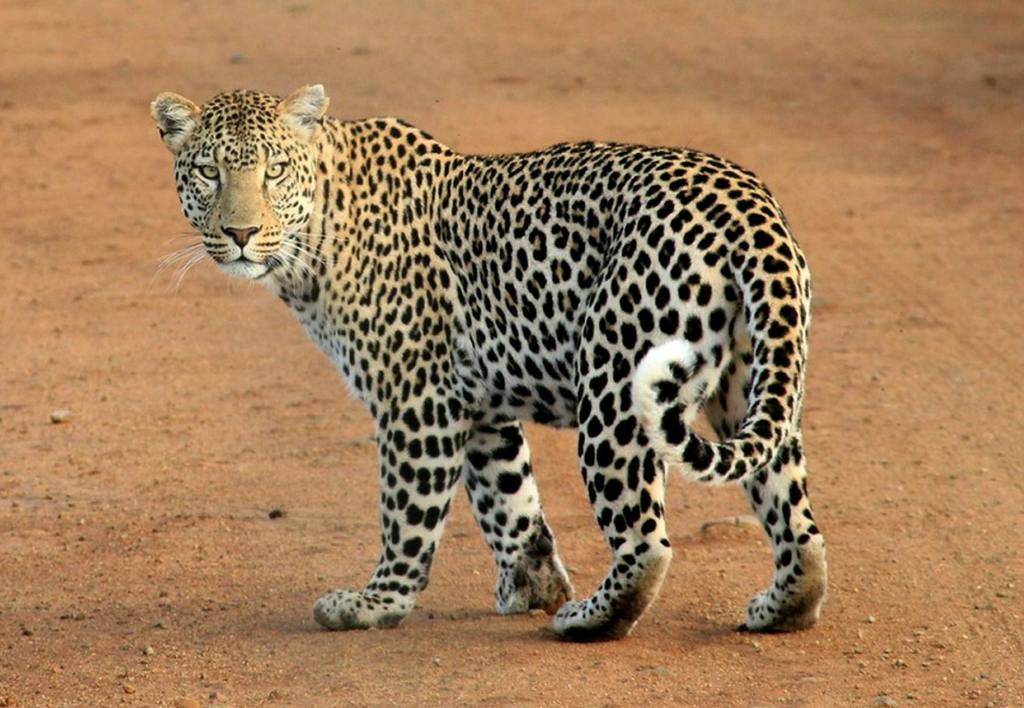
Leopard encounters in the Darjeeling hills are becoming more frequent as ecological shifts, a declining prey base, and rapid urban transformation reshape long-standing patterns of coexistence between humans and wildlife. Across the forest-fringe settlements of Kurseong and nearby tea estates, livestock depredation and occasional night time incursions have become common, signalling a growing imbalance in a region historically known for cultural tolerance toward wildlife.
In Kurseong’s Dow Hill, recent incidents of livestock kills underscore how leopards, long present in the landscape, are increasingly entering human-dominated spaces. Such raids, once sporadic, now occur regularly, reflecting the changing dynamics in northwestern Bengal’s hill ecosystems. Residents note that the animals often target livestock and free-ranging dogs, a trend linked to poor protection practices and diminishing wild prey in certain pockets of the hills.
While human fatalities remain rare in these upper elevations — with only one recorded death since 2011 in the Kurseong range — the frequency of close encounters has risen. Tea estates such as Ambootia, Jogmaya, Goomtee, Makaibari, Rohini, and Margaret’s Hope have all documented sporadic conflicts, largely involving livestock losses. With officially recorded leopard numbers standing at 233 for West Bengal — a figure that excludes elevations above 2,000 metres — the exact population in the Darjeeling hills remains uncertain.
Recent reports of melanistic leopards, or black leopards locally known as Kaalo Chituva, have generated renewed interest and pride in regions such as Dow Hill, Pankhabari, Singalila fringes and areas near Darjeeling town. Improved road connectivity and widespread social media sharing have amplified visibility, drawing public attention and enabling forest authorities to channel that interest into conservation outreach.
A deep-rooted cultural acceptance of wildlife remains a key factor helping maintain coexistence. Communities living near the Senchal Wildlife Sanctuary often tolerate occasional livestock losses without retaliatory action. Belief systems that treat forest landscapes with reverence discourage nighttime excursions and foster restraint in situations where wildlife presence is expected. Conservation organisations note, however, that such tolerance can also stem from structural marginalisation of communities that bear the greatest costs of living with predators.
The hills form part of a larger matrix of connected forests between Senchal and Mahananda Wildlife Sanctuaries, offering leopards uninterrupted movement across corridors such as the Pankhabari–Mahanadi–Sittong–Latpanchar stretch. Young leopards frequently disperse through these zones, increasing the likelihood of encounters in tea estates and roadside settlements.
Local practices have helped reduce direct conflict. Tea garden workers are trained to signal their presence with sound, encouraging leopards to retreat into forested patches. The steep terrain and tall tea bushes allow the animals more escape space than in tea gardens of the plains, where flatter topography can trap them between workers approaching from opposite ends.
Children in these communities grow up with an awareness of wildlife behaviour, learning how to react during unexpected encounters with species ranging from leopards to wild boars. Early reporting systems, rescue mechanisms and community awareness programmes led by forest management and eco-development committees have also played significant roles in containing conflict. Yet concerns remain over whether these systems are robust enough to cope with accelerating ecological disturbances.
A major pressure comes from the proliferation of Cryptomeria japonica, an invasive conifer widely planted for timber. These plantations have replaced native broadleaf forests across large stretches of the hills, forming monocultures that eliminate understorey vegetation and reduce habitat quality for herbivores such as barking deer, jungle fowl and Himalayan serows. As these prey populations decline, leopards increasingly depend on accessible alternatives — livestock and free-ranging dogs.
Shrinking habitat quality is compounded by rapid urbanisation and burgeoning tourism. Unchecked expansion of homestays, roads and tourist activity has fragmented crucial wildlife corridors. Tourist inflow into the hills increased by more than 70 per cent between 2010 and 2019, adding pressure to areas where leopards once roamed with minimal human presence.
Experts note that even a species as adaptable as the leopard requires access to natural prey both within and beyond protected areas to reduce conflict. Research from the region highlights that unprotected forests in Darjeeling hold equal ecological value as designated sanctuaries and must receive sustained conservation attention. Without safeguarding these landscapes and restoring prey populations, coexistence — a defining feature of the Darjeeling hills — may face increasing strain.



 PARYAWARAN
Leave a comment