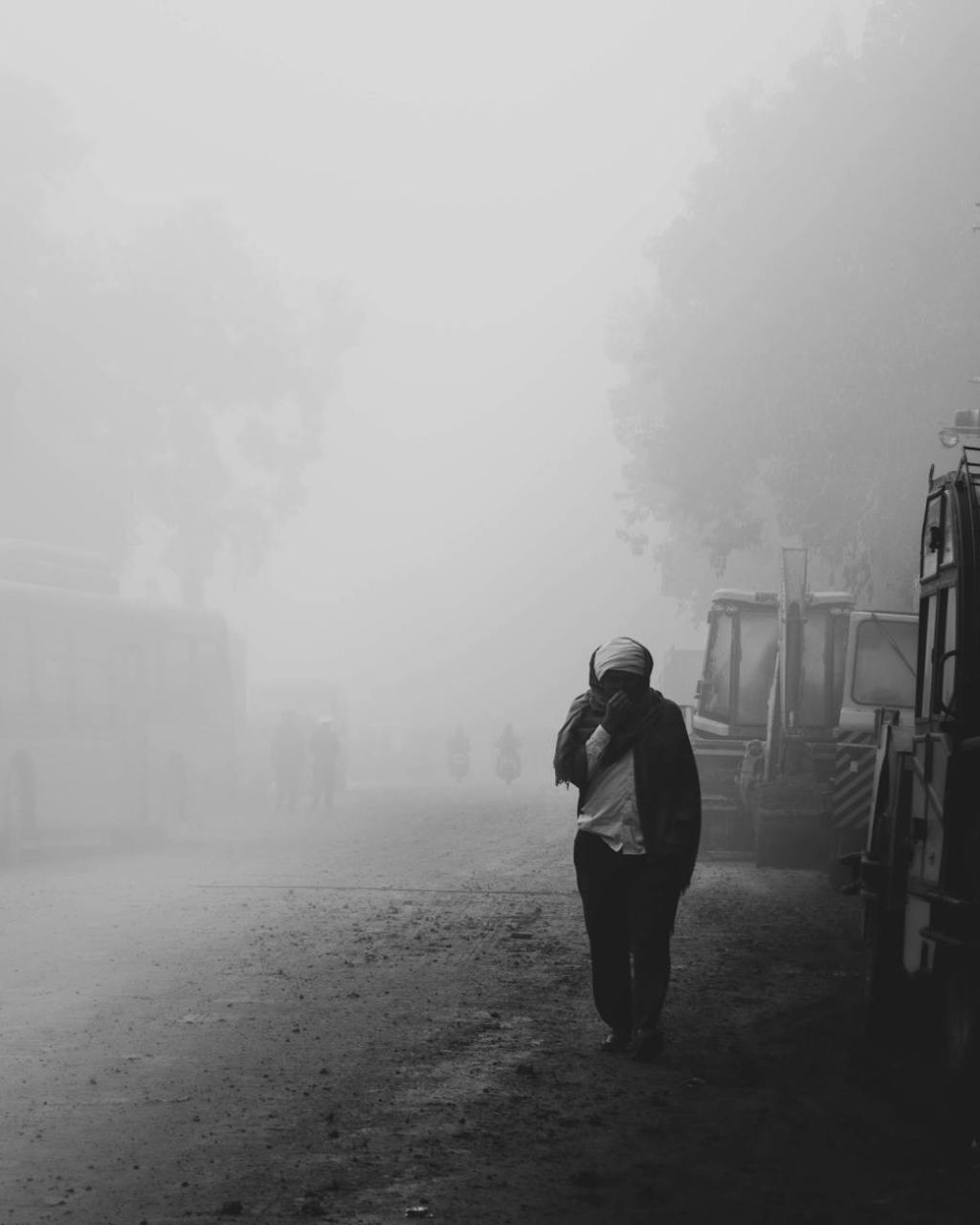
India’s air pollution crisis continues to intensify, with new global assessments underscoring the country’s overwhelming presence among the world’s worst-affected urban centres. According to the 2024 IQAir World Air Quality Report, India remains one of the most polluted nations globally, recording some of the highest average concentrations of fine particulate matter (PM2.5) across its cities. The report highlights a worrying trend: 13 of the world’s 20 most polluted cities are now located in India, demonstrating a persistent and widening gap between current air quality levels and internationally accepted safety norms.
While India did record a modest improvement—a 7% reduction in its national average PM2.5 levels in 2024 compared to 2023—the decline has done little to mitigate the severe health risks faced by millions. The national average now stands at 50.6 µg/m³, which is nearly ten times higher than the World Health Organization’s recommended annual limit. Experts note that such marginal improvements, though positive, remain insufficient to counter long-term exposure effects, especially because PM2.5 is among the most harmful pollutants due to its ability to penetrate deep into the human respiratory system.
The 2024-25 rankings further reveal that six of the world’s nine most polluted cities—based on PM2.5 concentration—are also situated in India. This dominance in the global pollution list reflects a mix of rapid urbanisation, vehicle emissions, unchecked construction activity, industrial output, and recurring seasonal factors such as crop-residue burning across northern India.
Among India’s worst-affected urban areas, Byrnihat, located on the Assam–Meghalaya border, emerged as the world’s most polluted city with PM2.5 levels surpassing all other monitored locations globally. New Delhi, despite various mitigation efforts, continues to hold the title of the world’s most polluted capital city, experiencing prolonged stretches of toxic air during winter months when meteorological conditions trap pollutants close to the ground.
Other Indian cities recording extremely high PM2.5 concentrations include Mullanpur (Punjab), Faridabad (Haryana), Loni (Uttar Pradesh), Gurugram (Haryana), Ganganagar (Rajasthan), Greater Noida (Uttar Pradesh), and Bhiwadi (Rajasthan). Many of these are industrial hubs or lie within the National Capital Region, where emissions from vehicles, factories, dust, and household energy use collectively create dense and persistent smog. Air quality monitoring from these areas shows levels that often exceed WHO guidelines by an order of magnitude, leaving local populations at heightened risk of respiratory, cardiovascular, and developmental health challenges.
The increasing concentration of PM2.5—the most dangerous category of airborne pollutants—remains the central driver of India’s air quality emergency. Fine particulates originate from combustion sources including vehicles, thermal power plants, industrial activity, waste burning, diesel generators, brick kilns, and crop-residue fires. Their ability to remain airborne for long durations and travel across regions means that pollution does not remain contained within specific city boundaries, further complicating mitigation efforts.
Environmental analysts note that the persistence of India’s poor air quality reflects systemic issues: a lack of robust pollution control enforcement, fragmented urban planning, insufficient public transportation, and delayed adoption of clean-energy alternatives. Additionally, air quality monitoring remains uneven across the country, leaving several smaller towns without adequate data—an absence that may obscure the true scale of the crisis.
Despite the grim statistics, experts argue that India’s recent reduction in national PM2.5 levels offers a foundation for further progress if supported by sustained policy action and stronger inter-state coordination. Measures such as expanding green mobility, regulating construction dust, enhancing industrial compliance, promoting clean household fuels, and managing crop-residue burning are essential to reversing the current trajectory.
As the data stands, India’s dominance in global pollution rankings paints a stark picture. With dozens of its cities ranking among the worst worldwide, the country faces a pressing public health and environmental challenge. Without accelerated and comprehensive interventions, the air quality crisis is likely to deepen further, affecting both immediate well-being and long-term development outcomes across one of the world’s most populous nations.



 PARYAWARAN
Leave a comment