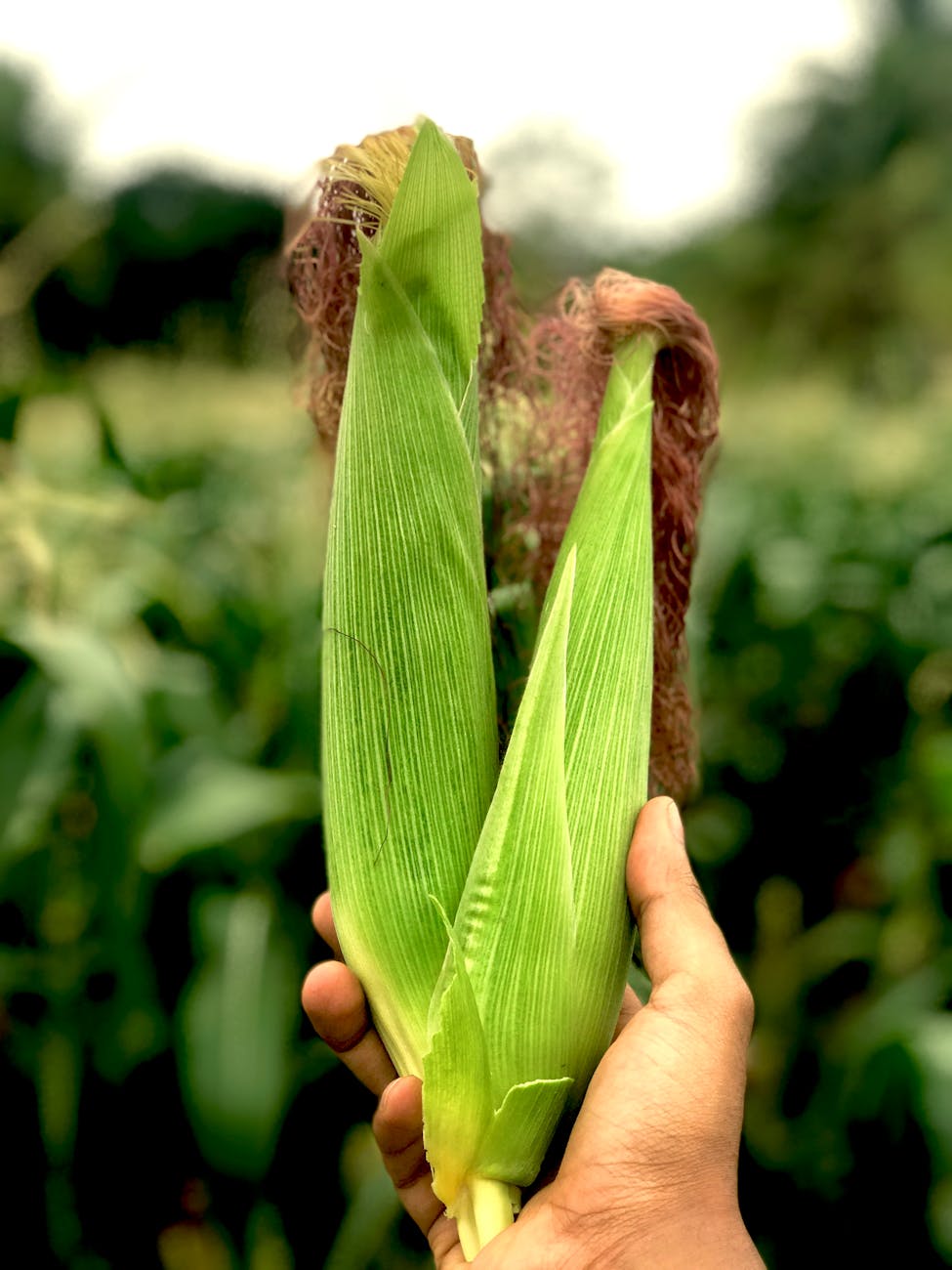
Corn has long dominated American agriculture, sprawling across nearly 90 million acres and shaping everything from the food supply to the fuel sector. It forms the backbone of rural economies and feeds into livestock, processed foods, and ethanol — the biofuel blended into most of the country’s gasoline. But behind corn’s economic power lies a growing environmental cost that researchers say can no longer be ignored.
A rising body of scientific evidence shows that the corn economy, particularly the fertilizer-heavy farming practices that sustain it, is driving dangerous greenhouse gas emissions and widespread water contamination. The issue, experts stress, isn’t the grain itself but the way it is grown — a system locked into policy incentives, monoculture farming and billions in federal subsidies that encourage continuous corn cultivation across the Midwest.
A Crop With a Heavy Climate Cost
Agriculture accounts for more than 10% of U.S. greenhouse gas emissions, and corn is responsible for a significant share due to its dependence on nitrogen fertilizers. When nitrogen breaks down in soil, it releases nitrous oxide — a greenhouse gas nearly 300 times more potent than carbon dioxide. Nitrogen fertilizer production also emits large amounts of CO₂, multiplying its climate impact.
Corn uses more than two-thirds of all nitrogen fertilizer applied in the United States, making it the leading driver of agricultural nitrous oxide emissions. As U.S. corn production surged nearly 50% since 2000, emissions rose accordingly. Global nitrous oxide emissions have climbed 40% since 1980, and the biggest increases come directly from large corn-producing regions.
Federal Policies That Fueled Corn Expansion
Corn’s dominance is not accidental — it was engineered through decades of aggressive lobbying and supportive federal policy. The Renewable Fuel Standard (RFS), enacted in the mid-2000s, required gasoline to be blended with ethanol, a fuel made almost entirely from corn. This triggered a massive surge in demand, pushing farmers to plant more corn and adopt “continuous corn” practices that require heavy chemical inputs.
Billions in federal crop insurance subsidies made corn the safest and most profitable choice for farmers, reinforcing monoculture planting. Over the past decade, corn and ethanol trade groups have spent tens of millions of dollars lobbying Washington, ensuring the sector remains politically influential and expanding efforts to promote higher-ethanol fuels and ethanol-based jet fuel.
Research Challenges Ethanol’s Green Claims
While the biofuel industry argues ethanol reduces greenhouse gas emissions, several independent studies dispute this claim. Some research suggests that corn ethanol’s total carbon intensity — once fertilizer production, field emissions, and land-use changes are included — may be as high as or even higher than gasoline. The RFS is also linked to expanded farmland cultivation, increased fertilizer runoff and rising emissions.
Government assessments have similarly questioned ethanol’s environmental benefits, finding that U.S. reliance on corn-based rather than advanced biofuels has undermined the program’s climate goals. Meanwhile, corn ethanol occupies millions of acres that could be used for food crops or cleaner energy sources. Studies show solar power can yield far more usable energy than corn-based biofuel on a fraction of the land.
A Widening Water Pollution Crisis
Corn’s fertilizer dependence is also polluting drinking water. Nitrogen runoff from fields contaminates groundwater, streams, and wells across the Midwest. In states like Wisconsin, more than 90% of nitrate pollution in groundwater is linked to fertilizer and manure from farms. The health risks are severe — nitrate exposure is associated with cancers, pregnancy complications and infant health problems.
Households near cornfields often find their well water exceeding safe nitrate limits, forcing them to install treatment systems or rely on bottled water. For many rural families, nitrogen pollution is a daily reality with no simple solution.
Cleaner Farming Is Possible — but Under Threat
Researchers say a cleaner corn system is achievable through crop rotation, cover crops, prairie strips, tree planting and reduced tillage. These practices improve soil health, cut fertilizer use and reduce emissions. Analyses show that implementing conservation measures on even a small percentage of corn acreage could significantly cut national greenhouse gas emissions.
But the political winds are shifting. Key federal incentives for climate-smart agriculture have been rolled back, while new policies emphasize expanded corn production over environmental reform. This leaves farmers with fewer resources and higher risks when adopting sustainable practices, slowing progress at a time when climate pressures are accelerating.
A System at a Crossroads
Despite mounting scientific evidence, industry groups are pushing aggressively for the next expansion of ethanol — including requiring new vehicles to use higher ethanol blends and promoting ethanol-based jet fuel as a low-carbon aviation solution. Researchers warn this could trigger another wave of land conversion, fertilizer use, and emissions, deepening the environmental damage already underway.
Corn remains central to the U.S. economy, but experts argue the nation must confront the environmental trade-offs embedded in its agricultural and energy systems. Without major reforms to farming practices, fertilizer use and biofuel policy, America’s most prolific crop could continue to worsen climate change — even as it is championed as a clean-energy solution.




 PARYAWARAN
Leave a comment