Emerging technologies, shifting environmental baselines, and unexpected links between human behavior and ecosystems are set to shape global conservation priorities in 2026 and beyond. A recent scientific “horizon scan” outlines 15 developments that could significantly influence biodiversity, urging policymakers, researchers, and practitioners to prepare for challenges and opportunities that are rapidly coming into view.
Among the most prominent themes is the growing role of artificial intelligence. Advances in small, self-contained AI systems, known as TinyML, are enabling wildlife monitoring, disease detection, soil assessment, and anti-poaching efforts in remote areas without reliance on internet connectivity or power grids. At the same time, concerns persist over the rising energy and resource demands of AI. New light-powered optical chips and neural networks may reduce energy consumption and accelerate data processing, but whether these efficiencies can offset the expanding scale of AI use remains uncertain.
Closely related is the rise of digital twins—highly detailed virtual replicas of real-world ecosystems and human systems. These models could improve conservation decision-making by simulating future scenarios and management choices. However, the computational intensity of such tools may itself contribute to environmental pressures, while their influence on markets and policy responses could create unintended consequences.
Tropical forests remain a central focus. A proposed global investment mechanism aims to provide long-term financial incentives for countries to protect intact tropical forests, recognizing their critical role in biodiversity conservation and climate stability. By rewarding forest protection rather than extraction, the approach seeks to strengthen local stewardship, improve transparency, and align conservation outcomes with national development priorities. Its effectiveness, however, will depend on governance structures, enforcement mechanisms, and equitable sharing of costs and benefits.
Unexpected links between public health trends and biodiversity are also emerging. The increasing use of appetite-suppressing medications may reduce demand for resource-intensive foods such as beef and processed products. If adopted widely, this shift could ease pressure on croplands and pastures, potentially allowing habitat restoration and rewilding, though global impacts are not yet measurable.
Climate-driven disruptions to natural cycles are another concern. Changes in temperature and weather patterns are altering flowering times in plants, threatening pollination and seed production. Researchers have identified chemical compounds capable of slowing flowering, which could help threatened species and crops adapt to climate instability while reducing competition from invasive weeds. The long-term ecological implications of such interventions will require careful oversight.
Marine ecosystems feature prominently in the horizon scan. Deep-sea mining is advancing toward commercial reality, with vast areas of the ocean floor targeted for mineral exploration. This poses poorly understood risks to deep-sea microbes and the broader food webs they support. Meanwhile, oceans are growing darker, with light penetration declining significantly over the past two decades. Reduced light availability could disrupt phytoplankton, the foundation of marine food chains, with cascading effects on fish and other species.
Seaweed ecosystems, despite their vast extent and ecological importance, face mounting pressures from climate change, overharvesting, and inadequate management. Although their geographic range is shifting poleward, overall coverage is expected to decline, threatening biodiversity and coastal resilience. At the same time, puzzling changes in the Southern Ocean, including rising salinity after decades of decline, could alter global ocean circulation and accelerate ice melt, with far-reaching climate implications.
On land, declining soil moisture across large regions of the world signals growing stress on terrestrial ecosystems. Drying soils threaten plants and soil organisms while interacting with land-use changes in complex ways. Efforts to manipulate soil microbes to boost crop productivity are expanding, but their ecological effectiveness and unintended consequences remain uncertain.
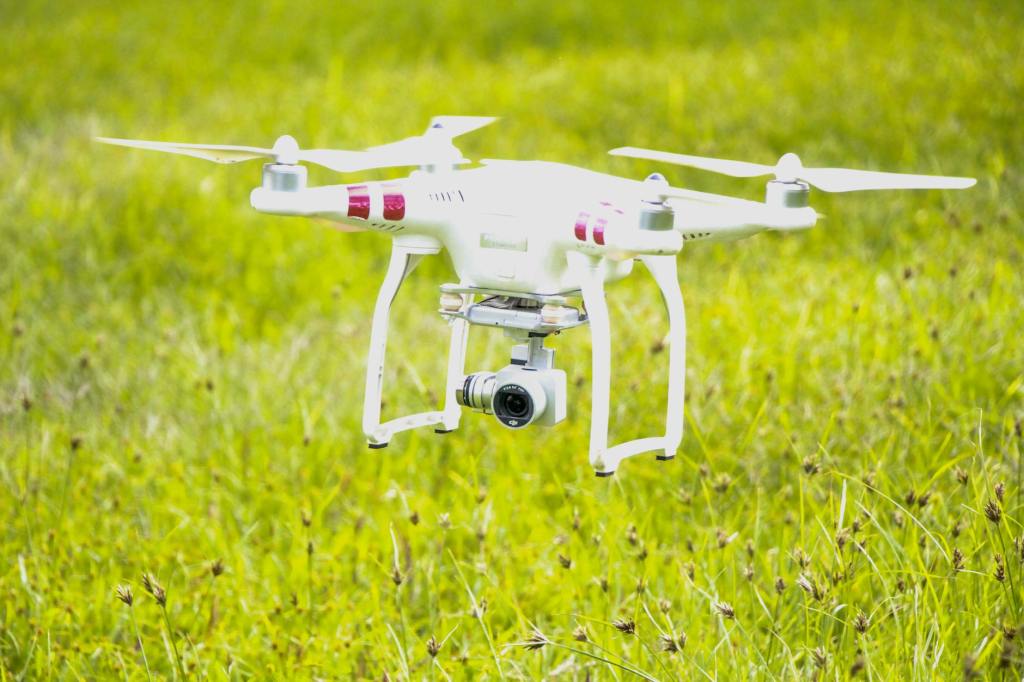
Human conflict and pollution also intersect with biodiversity. Fiber optic cables discarded by drones in conflict zones are creating new forms of wildlife hazard through entanglement and microplastic contamination, a problem likely to spread as drone use increases globally.
Finally, advances in molecular science raise profound questions. The ability to create “mirror” biological molecules, and potentially entire organisms, offers potential benefits such as durability and reduced immune reactions. Yet these synthetic forms may interact unpredictably with natural life systems, posing risks to ecosystems and human health.
Together, these emerging issues underscore the need for anticipatory, interdisciplinary conservation strategies. As environmental change accelerates and technology reshapes human interactions with nature, conservation in 2026 will increasingly depend on balancing innovation with precaution to safeguard biodiversity in an uncertain future.




 PARYAWARAN
Leave a comment