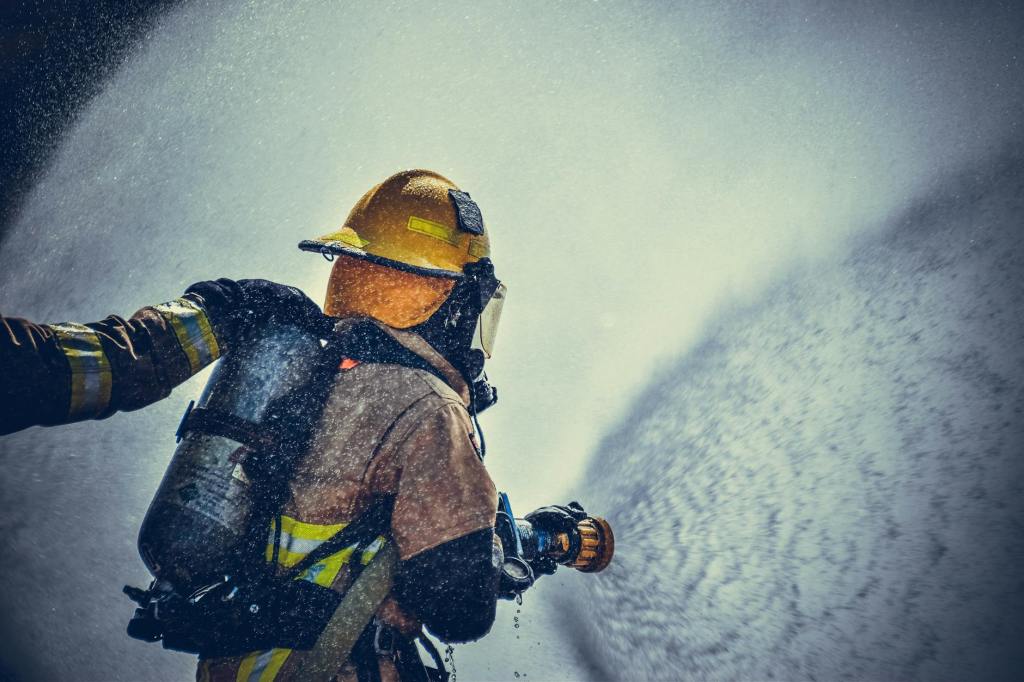
Firefighters have long been exposed to extreme danger from flames, smoke, and collapsing structures. In recent years, however, growing evidence has revealed that one of the most serious threats to their health may come not from fires themselves, but from the very protective gear designed to keep them safe. The widespread use of “forever chemicals” in firefighting uniforms has been linked to rising rates of cancer and chronic disease among firefighters, prompting urgent calls for reform across the profession.
Perfluoroalkyl and polyfluoroalkyl substances, commonly known as PFAS, have been used for decades in firefighting gear because of their ability to repel water, oil, and heat. These chemicals help prevent moisture penetration and improve durability, making them attractive for use in turnout gear, gloves, and other personal protective equipment. However, PFAS are highly persistent in the environment and the human body, earning them the nickname “forever chemicals.” Once absorbed, they can remain in the bloodstream for years.
Scientific research has increasingly linked PFAS exposure to serious health risks, including multiple forms of cancer, cardiovascular disease, immune system suppression, hormonal disruption, and developmental problems. Firefighters face especially high exposure because PFAS-treated gear is worn for long periods, subjected to high heat, and often becomes contaminated during fire suppression activities. Heat and friction can cause these chemicals to break down or leach out, increasing the likelihood of absorption through the skin or inhalation.
Cancer has overtaken heart disease as the leading cause of line-of-duty deaths among firefighters in many regions. Studies have consistently shown elevated rates of leukemia, lymphoma, prostate cancer, testicular cancer, and other malignancies among firefighters compared to the general population. Researchers now believe that chronic exposure to toxic substances embedded in protective equipment is a major contributing factor.
Large urban fire departments have begun to respond to these findings by phasing out PFAS-containing gear and replacing it with safer alternatives. San Francisco’s fire department is set to become the largest in the United States to fully equip its frontline firefighters with PFAS-free protective equipment. The move follows years of advocacy by researchers, labor organizations, and public health experts who have warned that continued use of toxic gear places firefighters at unacceptable risk.
In 2024, San Francisco became the first city in the country to ban PFAS in firefighting personal protective equipment. The department has since begun distributing new gear made with alternative materials that meet performance standards without relying on harmful chemicals. The transition marks a significant shift in how firefighter safety is approached, recognizing that long-term health outcomes are just as important as immediate protection from fire hazards.
The push to eliminate PFAS has gained momentum statewide and nationally. California has enacted legislation banning PFAS in firefighting equipment, extending protections to firefighters across the state. Other states, including Massachusetts and Rhode Island, have also taken steps to restrict or eliminate the chemicals, though implementation timelines vary. Across the country, fire departments are reevaluating procurement standards and demanding greater transparency from manufacturers.
Despite progress, challenges remain. Developing moisture barriers that provide adequate protection without PFAS has proven difficult, and some replacement gear in other jurisdictions has tested positive for trace amounts of the chemicals. Fire departments and regulators have emphasized the need for rigorous testing and oversight to ensure that new products are genuinely free of hazardous substances.
Advances in textile innovation have helped overcome some of these obstacles. New flame-resistant, non-PFAS materials introduced in recent years have allowed manufacturers to meet safety and performance requirements while reducing health risks. Federal funding, including grants from emergency management agencies, has played a crucial role in supporting departments as they make the costly transition to safer equipment.
The issue has broader implications beyond firefighting. PFAS contamination is a global environmental and public health concern, affecting drinking water, food systems, and consumer products. Firefighters’ experiences have highlighted the dangers of relying on toxic chemicals for safety solutions and have added urgency to calls for stronger regulation and safer alternatives.
As departments continue to phase out PFAS-laden gear, the shift represents a growing recognition that protecting those who protect the public must include safeguarding their long-term health. Reducing exposure to harmful chemicals in firefighting uniforms is increasingly seen as essential to ensuring that firefighters not only survive dangerous incidents, but also live long, healthy lives after their service ends.




 PARYAWARAN
Leave a comment