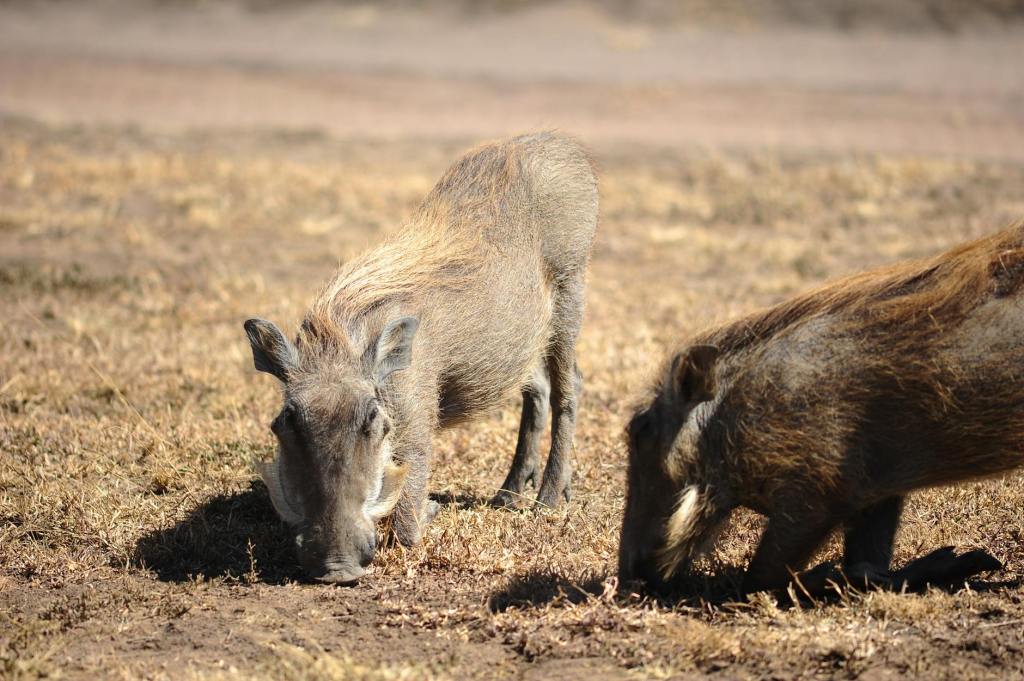
Invasive pigs have emerged as a serious ecological threat within Rajasthan’s Desert National Park (DNP), alarming forest officials and wildlife researchers working in one of India’s most fragile arid ecosystems. The presence of these pigs—hybrids between domestic and wild varieties—has increased steadily over the past two decades, coinciding with major landscape changes triggered by irrigation and agricultural expansion.
Officials note that sightings of pigs in the park began after the development of the Indira Gandhi Nahar Pariyojana (IGNP). The introduction of permanent water bodies and intensified cultivation along the canal transformed parts of the desert ecosystem, creating favourable conditions for species that were previously absent or rare in the region. These altered habitats have enabled pigs to establish and expand their populations within the park.
Desert National Park, spread over 3,162 square kilometres in Jaisalmer district, supports grassland, scrub, and desert ecosystems and is home to several threatened species. Conservationists warn that invasive pigs are increasingly acting as top predators and aggressive competitors, disrupting ecological balances. The animals have been observed preying on livestock, raiding carcasses, destroying nests, and consuming eggs of ground-nesting birds—activities that pose serious risks to native fauna.
One of the most significant concerns relates to grassland birds, particularly the critically endangered Great Indian Bustard. Researchers working in the Thar landscape report that pigs compete with native species for food and habitat and may directly predate on bustard nests and chicks. Given the bird’s already precarious population, additional pressures from invasive predators could further undermine ongoing conservation efforts.
The pigs are also affecting scavenger species by consuming carcasses that traditionally sustain vultures and other birds. Desert National Park is one of the last remaining strongholds for both resident and migratory vulture species, which depend heavily on livestock carcasses for survival. Camera-trap studies at carcass sites indicate that pigs often arrive first, reducing food availability for vultures and intensifying competition in an ecosystem already stressed by historical population declines.
Vulture numbers across the Indian subcontinent plummeted over recent decades due to the widespread use of diclofenac, a veterinary drug toxic to the birds. While conservation measures have helped stabilise some populations, new threats such as invasive scavengers risk reversing these gains. Reduced carcass availability could particularly affect migratory species that rely on the park during winter months.
Beyond wildlife impacts, local communities living inside the park have raised concerns over human–wildlife conflict. Residents of villages within DNP report frequent crop damage during the monsoon season and attacks on cattle, goats, and sheep, particularly during drier months when food sources inside the park become scarce. There have also been incidents of pigs injuring people, including children, heightening fears among communities already living in close proximity to wildlife.
Another growing concern is the potential spread of diseases from pigs to humans, livestock, and wild animals. With high reproductive rates and increasing population density, pigs pose challenges not only for conservation but also for public health and rural livelihoods.
Managing the invasive pig population remains a complex task. Forest authorities acknowledge that control measures are limited due to the species’ rapid breeding and legal ambiguities surrounding their status. While some officials argue that wild pigs receive protection under wildlife laws, researchers maintain that these hybrids qualify as invasive species and could be relocated or managed under special provisions.
Currently, control efforts are largely restricted to removing pigs from fenced conservation enclosures established for the Great Indian Bustard and releasing them outside protected areas. Expanding such enclosures across the entire park is considered impractical due to its vast size and the presence of multiple threats, including feral dogs.
As Desert National Park faces mounting pressures from habitat alteration, invasive species, and human–wildlife conflict, conservationists warn that urgent, science-based interventions are needed to prevent irreversible damage to one of India’s most unique desert ecosystems.




 PARYAWARAN
Leave a comment