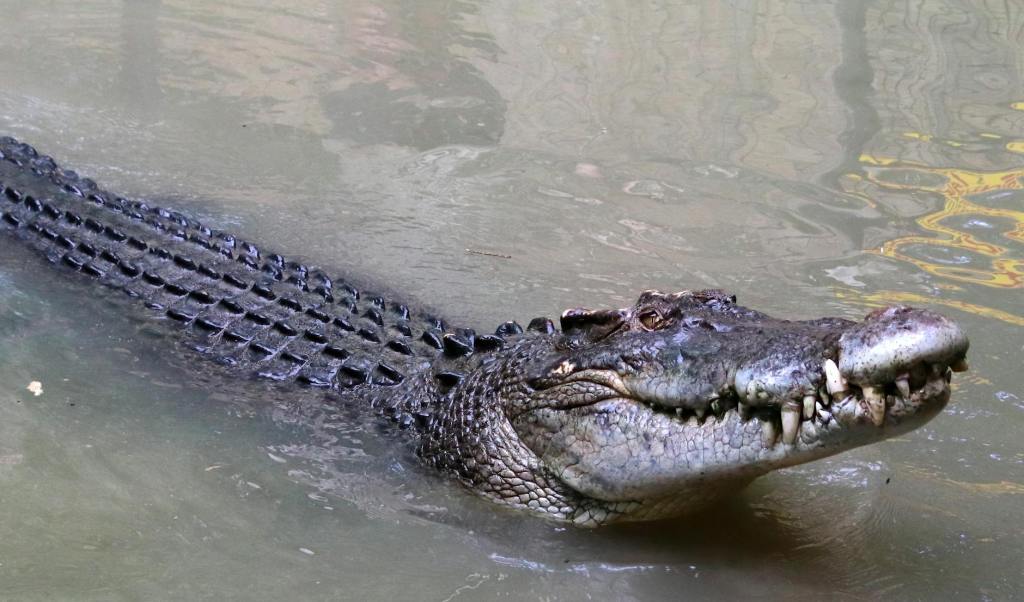
Conservation teams in Laos are collecting crocodile eggs from wild nests as part of an intensive effort to prevent the extinction of the Siamese crocodile, one of the world’s most endangered reptile species.
The programme focuses on improving hatchling survival rates by removing eggs from vulnerable nesting sites and incubating them in protected facilities. Recent footage released by conservation groups shows rare Siamese crocodile hatchlings emerging successfully, highlighting progress made under the initiative.
The work is being carried out through a coordinated conservation project involving wildlife organisations, government authorities and local communities. Its objective is to restore breeding populations of Siamese crocodiles in Laos, where the species has suffered steep declines over past decades due to habitat degradation, hunting and egg loss.
Siamese crocodiles are classified as critically endangered on the IUCN Red List of Threatened Species. Scientific assessments indicate that fewer than 1,000 mature individuals remain in the wild across their historic range in Southeast Asia, making each successful hatch particularly significant for the species’ long-term survival.
During the nesting season, trained local teams survey wetlands to locate crocodile nests. Eggs found in high-risk areas are carefully collected and transported for artificial incubation. In natural conditions, crocodile eggs are highly vulnerable to flooding, predation and accidental destruction. Controlled incubation substantially reduces these risks during early development.
After hatching, juvenile crocodiles are reared in secure environments until they reach a size at which their chances of survival in the wild are significantly improved. This “head-starting” strategy allows young crocodiles to bypass the most dangerous early stages of life. Once mature enough, the animals are released into protected wetland habitats within their historical range.
Since the programme began in 2019, conservation teams report that several hundred Siamese crocodiles have been successfully raised and released using this method. Monitoring data suggests that head-started individuals show higher survival rates than those left to develop entirely in the wild.
Community participation plays a central role in the programme’s implementation. In many rural areas of Laos, crocodiles are traditionally regarded as protectors of wetlands and waterways. Conservation efforts have integrated these cultural beliefs into protection strategies, encouraging local stewardship of nesting sites and reducing threats to both eggs and adult animals.
The programme’s outcomes have been documented in a recent specialist conservation publication, which outlines population trends, hatchling success rates and ongoing challenges. While habitat loss and environmental change continue to pose risks, conservationists view the results as evidence that targeted intervention can stabilize and potentially rebuild populations of even the most threatened species.
The egg collection and incubation approach now represents a key component of crocodile conservation in Laos, offering a practical model for species recovery grounded in scientific management and local involvement.


 PARYAWARAN
Leave a comment