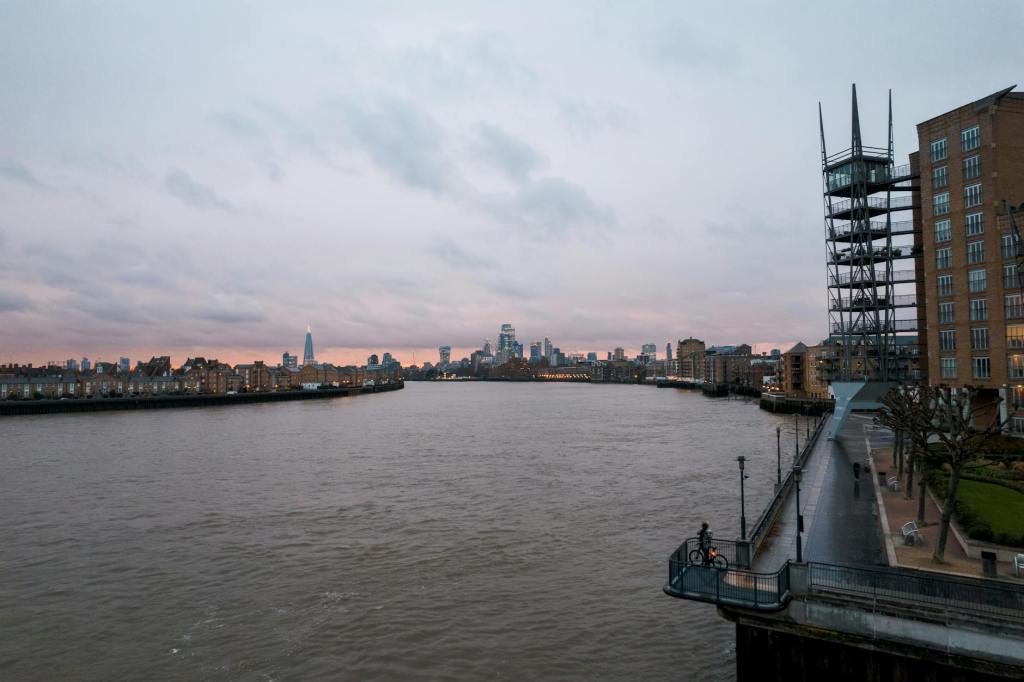
The River Thames, once declared biologically dead, is now being recognised as a major environmental recovery story, according to the latest health assessment released by the Zoological Society of London (ZSL). The findings highlight how decades of regulation, monitoring and conservation have transformed one of the world’s most heavily used urban rivers, while also warning that climate change and modern pollution threats could undermine these hard-won gains.
In the mid-20th century, industrial activity along the Thames discharged untreated chemicals, heavy metals, oils and dyes directly into the waterway, stripping it of oxygen and rendering it unable to support most forms of life. By the 1950s, the river had become a symbol of environmental neglect. The new State of the River Thames health check shows how sustained intervention has reversed much of this damage, turning the estuary into a functioning and increasingly diverse ecosystem.
The report draws on the most up-to-date monitoring data across 21 indicators used to assess river health. These include water quality, pollution levels, biodiversity, habitat availability and physical changes linked to climate pressures. Together, the indicators show a river that is cleaner, more oxygen-rich and better able to support wildlife than at any point in recent history.
Among the most visible signs of recovery is the return of species once absent from the Thames. Harbour porpoises, seals, wading birds and a growing variety of fish are now regularly recorded along the estuary, reflecting improvements in water quality and habitat conditions. Along the riverbanks, new and restored habitats have emerged, often integrated into urban redevelopment and public walkways, allowing wildlife to coexist with dense human populations.
The assessment also demonstrates the impact of targeted environmental regulation. Plastic cotton bud sticks, previously one of the most common litter items found along the Thames shoreline, have almost completely disappeared following the UK’s ban on their sale in 2022. The sharp decline is presented as evidence that policy changes can deliver rapid and measurable environmental benefits. Similar expectations are being placed on forthcoming restrictions on plastic wet wipes, which remain a persistent source of river pollution.
Reductions in toxic metals have delivered further ecological gains. Concentrations of zinc in the Thames have fallen by around half since 1990, while copper levels have dropped to approximately a quarter of their former concentrations. Both metals are now below levels known to cause widespread damage to aquatic ecosystems, improving conditions for invertebrates, fish and birds and reducing long-term risks to human health.
Despite these successes, the report stresses that the recovery of the Thames is incomplete and increasingly vulnerable. Climate change is identified as one of the most significant emerging threats to the estuary. Since 2007, average summer water temperatures in the Thames have risen by approximately 0.13°C per year, a rate that equates to a 1°C increase every eight years. Warmer water holds less oxygen and can disrupt breeding cycles, increase disease risk and alter species composition.
Sea-level rise is adding further pressure. Water levels in central London sections of the Thames, including areas near Tower Bridge, have been rising by an average of 5 millimetres per year since the early 1990s. As sea levels push saltwater further upstream, freshwater tidal habitats are being squeezed, threatening rare ecosystems and the complex food webs they support.
Local pollution remains a persistent concern. Road run-off, sewage discharges and chemical residues from pharmaceuticals continue to enter the river system. The report also notes gradual increases in nitrate concentrations in the Thames and in monitored tributaries such as the Rivers Lee and Darent. Elevated nitrate levels can promote algal growth and further destabilise ecological balance, particularly during warmer months.
In response to these challenges, a large-scale recovery programme known as Transforming the Thames was launched last year. The initiative brings together conservation organisations, community groups, public authorities and landowners to coordinate restoration across the Greater Thames Estuary. Planned measures include creating oyster reefs to improve water filtration, planting seagrass meadows to support biodiversity and carbon storage, and restoring saltmarshes that provide essential nesting and feeding grounds for birds.
The latest health check positions the River Thames as both a success story and a cautionary example. It shows that even severely degraded ecosystems can recover when sustained action is taken, while also underlining that ongoing vigilance and investment are essential. As climate pressures intensify and pollution sources evolve, the future health of the Thames will depend on maintaining momentum and adapting conservation efforts to meet a rapidly changing environmental reality.




 PARYAWARAN
Leave a comment