Norway has emerged as the world’s most successful example of how a nation can rapidly shift away from fossil-fuel-powered cars. In 2025, fully electric vehicles accounted for 95.9 percent of all new car sales in the country, a milestone unmatched anywhere else. The achievement highlights how sustained policy support, smart infrastructure investment, and clean electricity can combine to transform an entire transport system.
Electric vehicles are widely viewed as a key solution for reducing greenhouse gas emissions from transport, one of the largest sources of global carbon pollution. While many countries continue to struggle with high costs, limited charging infrastructure, and consumer hesitation, Norway has managed to overcome these barriers over several decades. Its experience now serves as a practical blueprint for other nations seeking to accelerate their transition to cleaner mobility.
A central pillar of Norway’s success has been making electric vehicles financially attractive. The country traditionally imposes high taxes on new car purchases, including value-added tax and import duties. To encourage the adoption of low-emission vehicles, these taxes were removed for electric cars, making them significantly cheaper than petrol and diesel alternatives. Additional incentives, such as reduced tolls, lower ferry and parking fees, and exemptions from certain road charges, further tilted the economic balance in favor of electric vehicles.
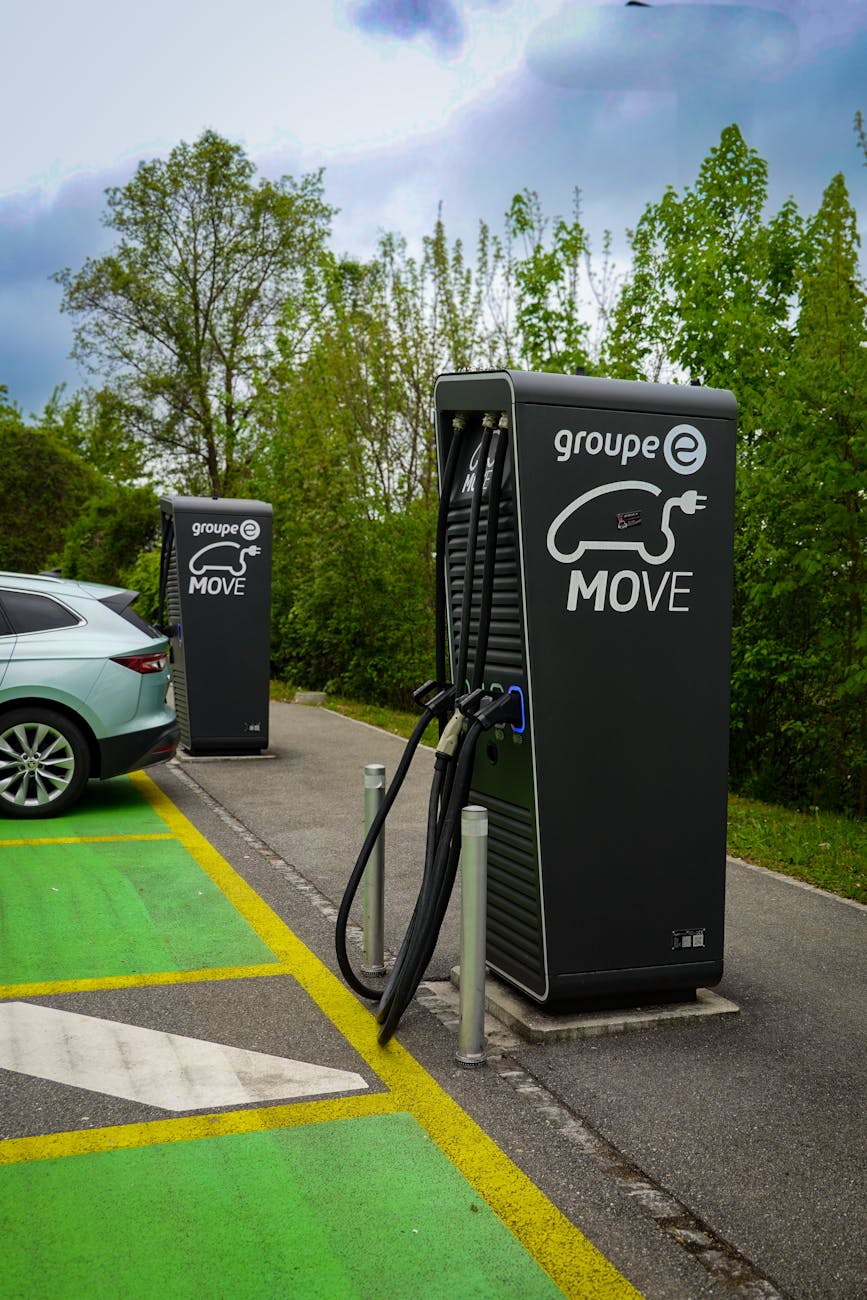
At the same time, Norway invested heavily in charging infrastructure. Despite its cold climate, mountainous terrain, and long travel distances, the country built a dense and reliable network of public chargers. By 2025, Norway had more than 27,000 public charging points, ensuring that electric vehicle owners could travel confidently, even in remote regions. Strategic placement of fast chargers along highways and in rural areas helped address concerns about limited driving range, a key obstacle to adoption in many other countries.
Another crucial factor behind Norway’s transition is the cleanliness of its electricity supply. The country generates the vast majority of its power from hydropower, meaning that electric vehicles are charged with low-carbon electricity. This greatly amplifies the climate benefits of electrification, as emissions are reduced not only at the tailpipe but across the entire energy system. In countries with more fossil-fuel-dependent grids, these benefits are often smaller, at least in the short term.
Long-term policy consistency has also played a decisive role. Norwegian incentives for electric vehicles were not introduced as short-lived experiments but as part of a stable, long-range strategy. This predictability gave consumers confidence to invest in new technology and encouraged automakers to prioritize the Norwegian market with a wide range of electric models. Over time, electric vehicles became the default choice rather than a niche option.
Environmental and health benefits have followed. Although the production of electric vehicles, particularly batteries, can generate higher emissions initially, studies show that electric cars become cleaner than conventional vehicles after a few years of use. Over their lifetime, they produce significantly less air pollution, reduce greenhouse gas emissions, and contribute to better public health outcomes, especially in countries with clean power grids like Norway’s.
By contrast, electric vehicle adoption in countries such as the United States remains slower and more uneven. Higher upfront costs, fewer affordable models, limited charging infrastructure, and political and regional differences continue to hinder widespread adoption. Norway’s experience demonstrates that these barriers are not insurmountable when clean choices are made easier, cheaper, and more convenient than polluting ones.
Norway’s transformation did not happen overnight, nor was it driven by a single policy. Instead, it reflects decades of coordinated action across taxation, infrastructure, energy policy, and consumer incentives. As nations around the world search for effective ways to cut emissions and modernize transport, Norway stands as a powerful example of how determined policy and public investment can drive large-scale change toward a cleaner, electric future.




 PARYAWARAN
Leave a comment