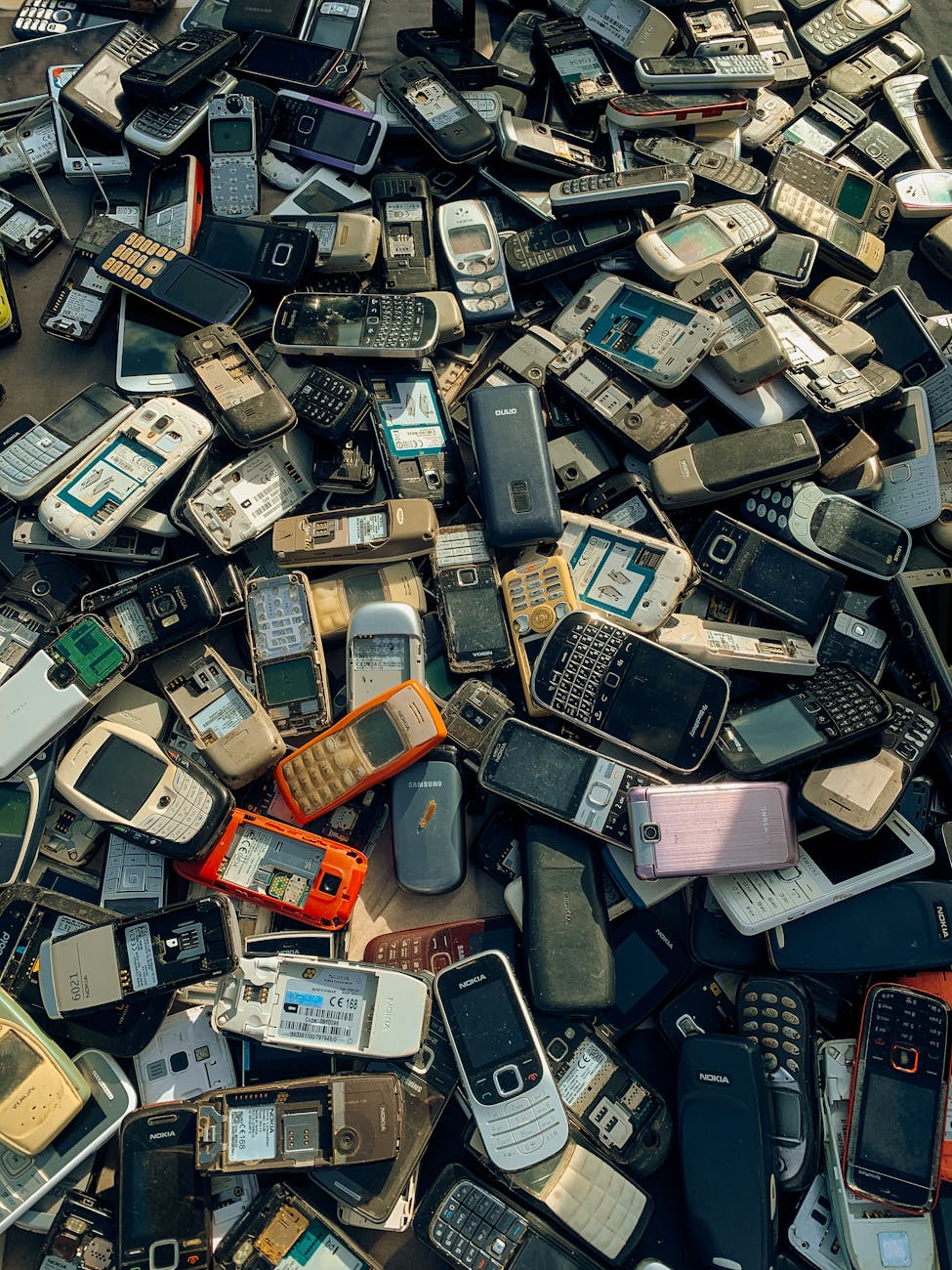
Malaysia has imposed an immediate and comprehensive ban on the import of electronic waste, moving to shut its doors to a global stream of discarded electronics that authorities say threatens the environment, public health, and national security.
The decision reclassifies all e-waste under the country’s “absolute prohibition” category, meaning it can no longer be imported under any circumstances. Previously, limited exemptions could be granted by environmental authorities for certain types of electronic waste, but that discretion has now been removed.
In a public statement announcing the move, the Malaysian Anti-Corruption Commission (MACC) said the ban takes effect immediately and will be backed by strict enforcement. “E-waste is no longer permitted,” the commission said, adding that authorities would pursue “firm and integrated enforcement action” to prevent illegal shipments from entering the country.
Electronic waste, or e-waste, refers to discarded electrical and electronic devices such as computers, mobile phones, televisions, and household appliances. Many of these items contain hazardous materials, including lead, mercury, and cadmium. If improperly handled, recycled, or dumped, these substances can contaminate soil and water, posing long-term risks to ecosystems and human health.
Malaysia has struggled for years with rising volumes of imported e-waste, much of it believed to be shipped illegally from developed nations. Environmental groups have warned that some shipments are falsely labeled as recyclable materials or secondhand goods, allowing them to bypass regulations. Once inside the country, e-waste is often processed by informal or poorly regulated facilities that lack adequate safety and pollution controls.
Authorities have previously intercepted and seized hundreds of containers of suspected e-waste at Malaysian ports. In several cases, the government has arranged for containers to be returned to their countries of origin. However, enforcement challenges and regulatory loopholes have made it difficult to fully stem the flow.
The latest ban comes amid a widening corruption investigation linked to e-waste oversight and import approvals. Anti-graft investigators have detained senior environmental officials and launched probes into alleged abuse of power connected to the management and regulation of e-waste. As part of the investigation, authorities have frozen bank accounts and seized cash and documents believed to be tied to the case.
While the investigation is ongoing, the policy shift signals a tougher national stance on waste imports and environmental governance. Analysts say the move reflects growing concern that Malaysia risks becoming a destination for the world’s hazardous waste as wealthier nations grapple with their own disposal challenges.
The Home Ministry also underscored the seriousness of the issue in a public statement, saying the government would intensify efforts to combat smuggling and illegal waste trafficking. “Malaysia is not a dumping ground for the world’s waste,” the ministry said. “E-waste is not just garbage but a serious threat to the environment, people’s health and national security.”
Environmental advocates have broadly welcomed stronger controls, arguing that developing countries often bear the environmental and social costs of global consumption. Improper recycling can expose workers and nearby communities to toxic fumes and contaminated water, while valuable materials are sometimes extracted using dangerous methods such as open burning or acid baths.
Globally, e-waste is one of the fastest-growing waste streams. The rapid turnover of electronic devices, combined with limited repair and recycling systems, has led to mounting volumes of discarded gadgets. International agreements such as the Basel Convention aim to regulate cross-border movements of hazardous waste, but enforcement varies widely.
Malaysia’s new prohibition could reshape regional waste flows, potentially pushing exporters to seek other destinations or to strengthen domestic recycling systems. Experts note that lasting solutions will require better product design, longer device lifespans, and stronger circular-economy policies that reduce waste at the source.
For now, Malaysian authorities say the priority is clear: closing the door to imported e-waste and tightening oversight at ports and borders. With the immediate ban in place, the government is signaling that environmental protection and accountability in waste management are moving higher on the national agenda.




 PARYAWARAN
Leave a comment