Ecological harm from pesticides is rising across much of the world, according to new research that signals mounting risks for wildlife, ecosystems, and global biodiversity goals. The study, which analyzed pesticide use and toxicity trends across dozens of countries, found that the overall danger posed by farm chemicals increased for most major groups of species between 2013 and 2019.
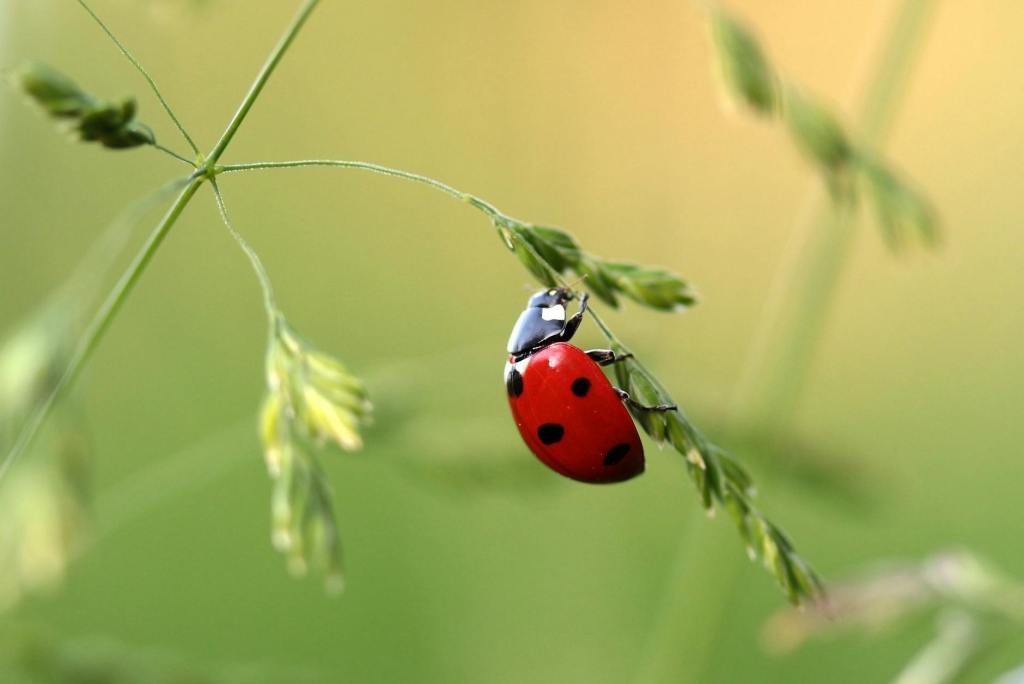
The sharpest rise in harm was recorded among insects, a group already under pressure from habitat loss, climate change, and pollution. Researchers found that the toxicity burden on insects grew by more than 40 percent over the study period. Soil-dwelling organisms faced the second-largest increase, with toxicity climbing by roughly 30 percent. These organisms play critical roles in nutrient cycling, soil fertility, and food webs, making their decline a concern for both natural ecosystems and agriculture.
Fish, pollinators, and terrestrial plants were also among the groups experiencing higher pesticide-related risks. Only two categories — aquatic plants and land-based vertebrates — showed a decline in overall toxicity exposure. Even so, scientists caution that reduced measured risk does not necessarily mean these groups are safe, as long-term and indirect effects may not be fully captured by available data.
The findings come as countries are under growing international pressure to reduce pesticide risks. In 2022, governments agreed under a United Nations biodiversity framework to cut global pesticide risks by half by 2030. To track progress, the UN adopted a measurement known as total applied toxicity, which estimates ecological danger by combining the amount of pesticide used with how harmful each substance is to different species.
Using this framework, the researchers evaluated the impact of 625 pesticide compounds across 65 countries, together representing nearly 80 percent of the world’s farmland. They also incorporated safety thresholds from multiple regulatory authorities to create a standardized global comparison.
Regional patterns varied widely. Europe and China recorded declines in total applied toxicity. Europe’s reduction has been linked in part to restrictions and phaseouts of certain insecticides, including neonicotinoids, which have been associated with pollinator losses. China’s decline followed national policies aimed at stabilizing or reducing pesticide use.
In contrast, significant increases were observed in parts of Africa, South America, and Asia, as well as in several major agricultural producers. Rising toxicity in these regions may be driven by agricultural intensification, expansion of cropland, and the adoption of more potent chemical formulations. In some rapidly developing agricultural economies, pesticide regulations and monitoring systems may also lag behind those in wealthier nations.
Only one country, Chile, assessed in the study appears on track to meet the UN’s 2030 target, underscoring how far most of the world remains from achieving the pledged reductions. Researchers warn that if current trends continue, global biodiversity goals could be undermined.
Pesticides have long been a cornerstone of modern agriculture, helping farmers protect crops from insects, weeds, and diseases and boosting food production. Global pesticide use has climbed steadily for decades, reaching roughly four million tons per year — nearly double the volume used in the 1990s. This growth has supported higher yields but has also increased chemical pressure on surrounding ecosystems.
Scientists emphasize that pesticides are designed to kill or control living organisms and can therefore affect non-target species. Beyond outright lethal effects, many chemicals can cause sub-lethal impacts, such as impaired reproduction, altered behavior, or weakened immune systems. These effects can ripple through food chains and ecosystems, sometimes in ways that are difficult to detect in short-term studies.
The researchers note that their analysis likely understates the true scale of the problem. Data on pesticide application remain incomplete or inconsistent in many countries, and some regions lack reliable long-term records. As a result, real-world toxicity could be higher than current estimates suggest.
Another concern is that pesticide mixtures are common in agricultural landscapes. Multiple chemicals can interact in the environment, potentially amplifying their ecological impact. Current monitoring frameworks often assess substances individually, which may not reflect real exposure conditions for wildlife.
The study calls for stronger global data collection and more transparent reporting on pesticide use. Improved monitoring would help governments evaluate whether policies are working and where additional safeguards are needed. Without better information, measuring progress toward international biodiversity targets will remain difficult.
Experts also point to a range of potential solutions, including diversifying crops, adopting integrated pest management, improving soil health practices, and expanding organic or low-chemical farming systems. Shifting toward less hazardous pesticides and non-chemical pest control methods could reduce risks while maintaining productivity.
With the 2030 biodiversity deadline approaching, the research highlights a widening gap between global ambitions and on-the-ground realities. If pesticide toxicity continues to rise, scientists warn that ecosystems may face increasing strain, threatening the services they provide — from pollination and soil fertility to water purification and climate regulation.
The findings add to a growing body of evidence that the environmental costs of chemical-intensive agriculture are mounting. As nations balance food security with environmental protection, the trajectory of pesticide use is likely to remain a central issue in the global biodiversity debate.



 PARYAWARAN
Leave a comment