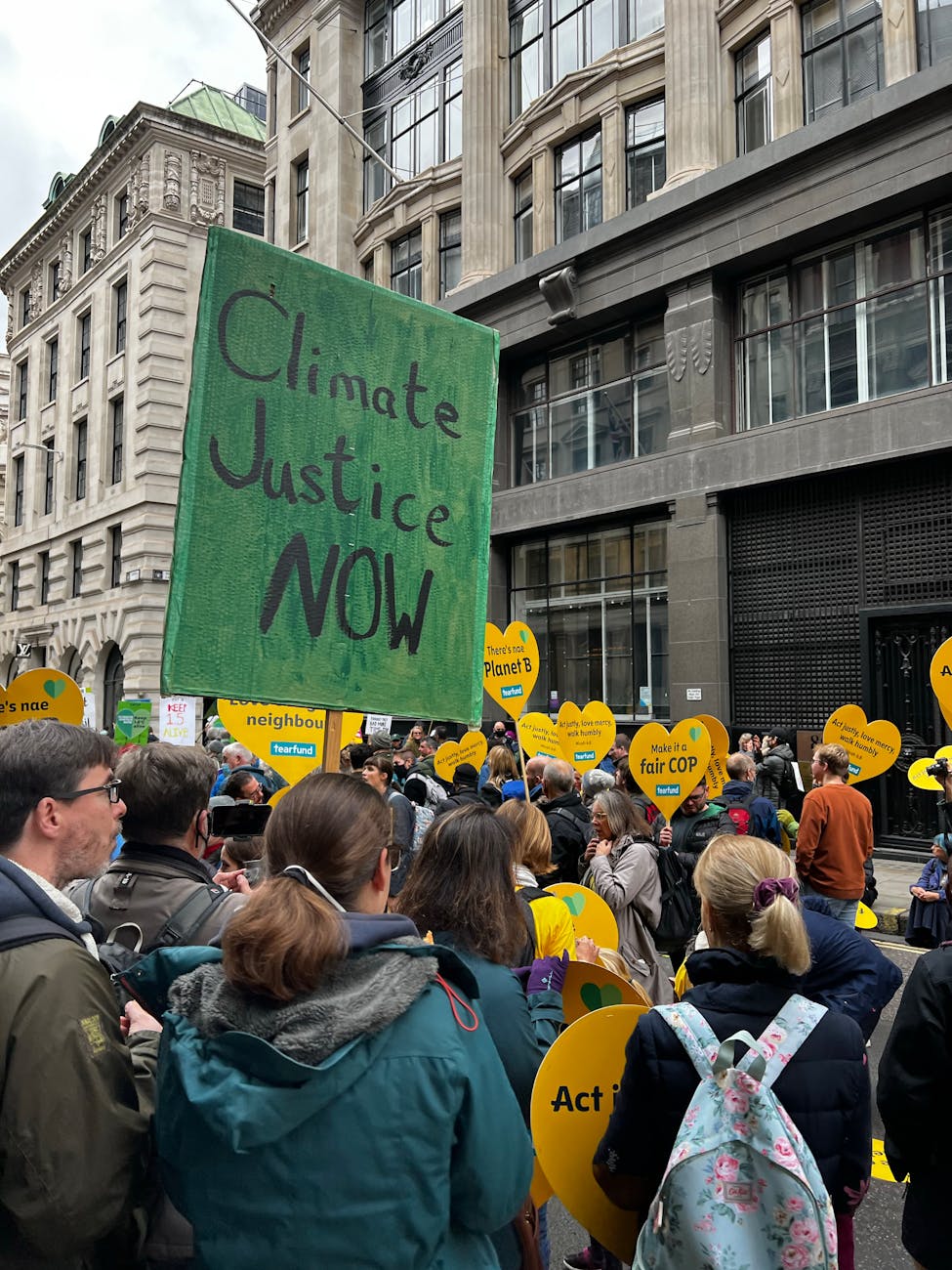
For decades, climate change was framed primarily as an environmental issue — melting glaciers, endangered species, and rising sea levels. While these impacts remain critical, the conversation has shifted. Today, climate change is increasingly recognized as a direct and growing economic threat, capable of reshaping markets, disrupting industries, and straining national budgets. From agriculture to insurance, from infrastructure to global supply chains, the financial stakes are enormous.
The Cost of Extreme Weather
One of the clearest economic signals comes from extreme weather events. Hurricanes, floods, heatwaves, and wildfires are becoming more frequent and intense in many regions. Each disaster leaves behind not only human tragedy but also staggering financial losses.
For example, severe floods can destroy roads, bridges, homes, and crops in a matter of hours. Rebuilding requires billions in public and private spending. Wildfires can wipe out entire communities and tourism economies. Heatwaves can reduce labor productivity, particularly in outdoor sectors like construction and agriculture, where workers simply cannot operate safely in extreme temperatures.
Governments often end up footing a large part of the bill through disaster relief, reconstruction funds, and social support — diverting money from development, education, or healthcare.
Agriculture Under Pressure
Agriculture is among the most climate-sensitive sectors of the economy. Changing rainfall patterns, prolonged droughts, and shifting seasons affect crop yields and food quality. When harvests fail or decline, farmers lose income, food prices rise, and countries may need to increase imports.
Consider regions heavily dependent on staple crops like wheat, rice, or maize. A single season of erratic weather can reduce output enough to ripple through national and global markets. Higher food prices hit lower-income households hardest, increasing inequality and sometimes fueling social unrest.
Livestock and fisheries are also vulnerable. Heat stress affects animal productivity, while warming oceans and acidification threaten fish stocks that millions depend on for livelihoods.
Strain on Infrastructure and Cities
Much of the world’s infrastructure was built for a stable climate that no longer exists. Roads buckle under extreme heat. Rail lines warp. Ports and coastal airports face sea-level rise and storm surges. Urban drainage systems are often unable to handle heavier rainfall, leading to costly urban flooding.
Cities — the engines of economic growth — are especially exposed. When transport systems fail or power grids go down during climate extremes, business activity stalls. Lost working hours and disrupted services translate into real economic losses.
Investing in climate-resilient infrastructure requires significant upfront capital, but failing to do so can cost far more in repeated repairs and disruptions.
Insurance and Financial Markets
The insurance industry is on the front line of climate risk. As disasters grow costlier, insurers face rising claims. In some high-risk areas, companies have already raised premiums sharply or withdrawn coverage altogether. When insurance becomes unaffordable or unavailable, property values can fall and mortgage markets can be affected.
Financial markets are also paying attention. Investors increasingly assess “climate risk” when deciding where to put their money. Companies reliant on fossil fuels or vulnerable supply chains may be seen as riskier. On the other hand, renewable energy and climate-adaptation businesses are attracting investment.
Climate change is thus reshaping capital flows, creating both risks and opportunities.
Global Supply Chains
Modern economies depend on complex global supply chains. Climate shocks in one region can disrupt production worldwide. A drought affecting a key agricultural exporter, or a flood hitting a major manufacturing hub, can delay shipments and raise costs across continents.
Recent years have shown how sensitive supply chains are to disruption. Climate change adds another layer of uncertainty, making reliability — and therefore profitability — harder to maintain.
The Opportunity Side
While the risks are serious, the economic story is not only about loss. The transition to a low-carbon economy can generate jobs and innovation. Renewable energy, electric mobility, energy-efficient buildings, and climate-smart agriculture are growing sectors.
Countries and companies that invest early in clean technologies and resilience may gain competitive advantages. In this sense, climate action can be seen not just as a cost, but as an investment in future stability and growth.
A Core Economic Issue
Ultimately, climate change is now a core economic issue because it affects productivity, prices, public spending, and financial stability. It influences how and where we build, what we grow, how we insure assets, and where investors put their money.
The question is no longer whether climate change will affect the economy — it already is. The real question is how prepared governments, businesses, and communities are to manage the risks and seize the opportunities.
Addressing climate change is therefore not only about protecting the planet. It is about protecting livelihoods, markets, and long-term prosperity.


 PARYAWARAN
Leave a comment