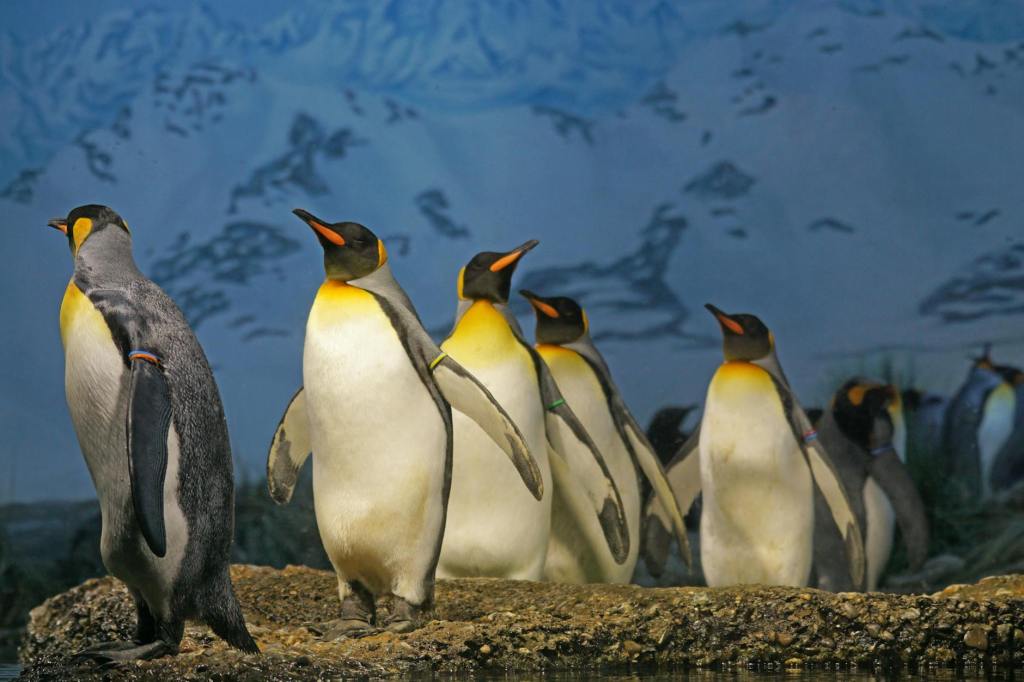
Climate change is altering life in Antarctica in subtle but significant ways, and new research suggests that penguins are adjusting one of the most critical events in their life cycle, breeding. Across parts of the Antarctic, several penguin species are now beginning their breeding season roughly two weeks earlier than in the past, a shift that scientists link to changing environmental conditions driven by global warming.
The findings come from a long-term study published in the Journal of Animal Ecology that examined breeding patterns between 2012 and 2022. The research focused on three well-known Antarctic species — Adélie, chinstrap, and gentoo penguins — all of which play important roles in the Southern Ocean ecosystem.
Researchers tracked the timing of “settlement,” defined as the first day a penguin colony continuously occupies a breeding site. This marker helps scientists determine when the breeding season effectively begins. By comparing data across years and colonies, the study found a consistent trend toward earlier settlement dates in all three species, with some colonies showing record-early timing.
The shift is believed to be connected to environmental changes such as warmer air and ocean temperatures, reduced sea ice in some regions, and earlier seasonal melting. These factors can influence when penguins are able to access nesting grounds and when food becomes available in surrounding waters.
Breeding timing is crucial for penguins because their reproductive success depends heavily on food supply. Penguins must synchronize egg-laying and chick-rearing with peaks in the availability of prey such as krill and small fish. If chicks hatch when food is scarce, parents may struggle to provide enough nourishment, increasing the risk of starvation and chick mortality.
Scientists warn that earlier breeding does not automatically mean better outcomes. A mismatch between breeding and prey availability — known as a “phenological mismatch” — can be harmful. If climate change shifts ocean productivity at a different pace than penguin breeding behavior, colonies could face growing pressure.
The three studied species may not be affected equally. Each has distinct foraging habits, diet preferences, and ranges. Gentoo penguins, for example, are often considered more adaptable and have already expanded into some new areas of the Antarctic Peninsula. Adélie and chinstrap penguins, in contrast, are more closely tied to sea-ice conditions and krill availability.
Because of these differences, scientists expect uneven impacts. Some populations may adapt or even benefit under certain conditions, while others could decline. This uneven response could gradually reshape the composition of penguin communities in Antarctica.
Beyond individual species, the changes raise broader ecological concerns. Penguins are key indicators of Southern Ocean health. They occupy a central position in the food web, both as predators of krill and fish and as prey for larger animals such as seals and orcas. Changes in penguin populations can therefore signal deeper shifts in the Antarctic marine ecosystem.
The Antarctic ecosystem is relatively simple compared to many others, with fewer species and tightly connected food webs. This simplicity makes it both unique and vulnerable. The loss or decline of several penguin species could have cascading effects, potentially reducing the system’s resilience to further environmental change.
Long-term monitoring remains essential to understanding these trends. A decade of data has revealed meaningful patterns, but scientists stress that continued observation will be needed to determine whether earlier breeding becomes the new norm and how it affects long-term survival.
The research adds to a growing body of evidence that climate change is not only transforming temperatures and ice cover in Antarctica but also reshaping the biological rhythms of the wildlife that lives there. From shifting migration patterns to altered breeding schedules, animals are responding in real time to a rapidly changing environment.
For penguins, earlier breeding may represent an attempt to keep pace with environmental change. Whether this adjustment will help or harm them in the long run remains uncertain. What is clear is that even in one of the planet’s most remote and icy regions, the fingerprints of climate change are increasingly visible — not only in the landscape, but in the life cycles of the species that depend on it.

 PARYAWARAN
Leave a comment