The fading of colour in nature is becoming one of the quieter signals of global environmental change. Scientists are increasingly paying attention to these shifts, arguing that colour is not just a matter of beauty but a visible trace of how well ecosystems are functioning. When landscapes and seascapes lose their vibrancy, it can point to stress, imbalance and, at times, looming ecological decline.
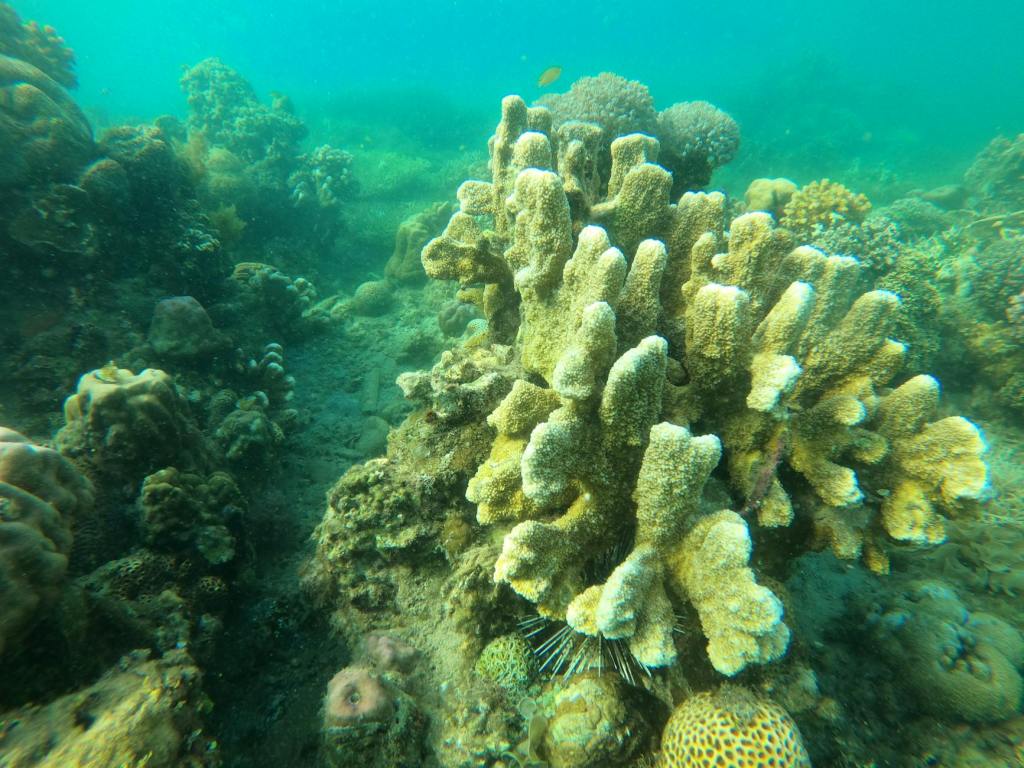
In the oceans, the change is starkest on coral reefs. Reefs once known for glowing palettes of pink, purple and neon green are turning pale under repeated marine heatwaves. As waters warm, corals eject the algae that live inside their tissues. These algae provide both food and colour. Without them, corals appear white and weakened.
Bleaching has become more frequent and widespread over the past two decades. Large reef areas now experience heat stress that would once have been considered rare. When bleaching lasts too long, corals die, and reef structures begin to erode. The loss is not only visual. Reefs act as nurseries and shelters for marine life. As their complexity declines, fish and invertebrate populations can shrink, altering entire food webs.
Beyond reefs, scientists are observing changes in the colour of the open ocean itself. Long-term satellite records reveal that many regions of the global ocean are shifting in hue. Subtle variations in blue and green tones are linked to changes in phytoplankton communities near the surface.
Phytoplankton are tiny but essential. They carry pigments that affect ocean colour, and they underpin marine food chains. They also help regulate the planet’s climate by absorbing carbon dioxide. When warming waters and changing nutrients reshape phytoplankton populations, the ocean’s colour signature changes too. To researchers, these chromatic shifts are clues that the foundation of marine ecosystems is being reorganised.
On land, the story often begins with water stress. The green of forests and grasslands comes from chlorophyll, the pigment that drives photosynthesis. During drought and extreme heat, plants limit water loss by closing small pores on their leaves. This protective move slows photosynthesis and leads to chlorophyll breakdown. Leaves lose richness, and entire regions can take on a washed-out tone.
This browning is more than seasonal change. When it happens outside normal autumn cycles, it can signal that vegetation is under prolonged strain. Reduced photosynthesis can mean lower carbon uptake and weaker growth. In large forest systems, repeated droughts and fires have already raised concerns about declining resilience and reduced capacity to store carbon.
Animals also reflect these environmental pressures. Many bird species depend on colour for survival and reproduction. Feather colours can signal health, attract mates or provide camouflage. Much of this colour comes from diet, particularly pigments found in certain insects and plants.
Where habitats are heavily altered, food quality can decline. Some urban-dwelling birds, for example, develop duller feathers than their counterparts in less disturbed environments. Paler plumage may affect how effectively they communicate or compete. At the same time, shifting seasons can disrupt the timing between flowering, insect abundance and bird breeding, weakening the colour-based cues animals rely on.
Taken together, these patterns are drawing attention to the idea that colour can act as an ecological barometer. Changes in hue, saturation and timing may reveal how energy flows through ecosystems and how organisms respond to stress. Because colour can be observed from satellites and simple field surveys, it offers a practical way to monitor environmental change across large areas.
Importantly, fading colour does not always mean permanent loss. Nature can regain its vibrancy when conditions improve. After drought-breaking rains, parched grasslands often return quickly to green. Some coral reefs can recover if temperatures stabilise and local pressures such as pollution are reduced. These recoveries show that ecosystems retain an ability to rebound.
Still, scientists caution that recovery depends on the frequency and intensity of stress. If extreme events come too often, systems may not have time to rebuild. In that sense, colour becomes both a warning and a measure of hope — a sign of strain when it fades and a sign of resilience when it returns.
As climate pressures grow, researchers are learning to read the planet’s palette more carefully. The world’s colours, once taken for granted, are now telling a story about environmental change. Whether those colours continue to fade or brighten again may depend on how societies respond to the challenges shaping the natural world.




 PARYAWARAN
Leave a comment