A new analysis indicates that China could reach its peak greenhouse gas emissions earlier than its official timeline, potentially marking a turning point in global efforts to slow climate change. The findings suggest that falling fossil fuel use and rapid growth in clean energy are beginning to reshape the emissions trajectory of the world’s largest emitter.
The report, released by Centre for Research on Energy and Clean Air and published by Carbon Brief, finds that emissions from China’s major polluting sectors declined over the past year, extending a slowdown that began in mid-2024. If current trends hold, emissions from the energy sector could peak within the next two years.
For more than a decade, China was the single biggest driver of global emissions growth as its economy expanded and energy demand surged. A sustained plateau or decline would therefore represent a structural shift not only domestically but also for the global carbon budget.
The analysis points to a broad-based flattening of emissions across power generation, transport and construction. Transportation emissions fell modestly, while emissions from the power sector edged down despite rising electricity demand. The construction sector recorded one of the largest drops, largely tied to reduced cement production.
Cement is a major source of carbon dioxide worldwide, responsible for roughly 8 percent of global greenhouse gas emissions. China produces more than half of the world’s cement, making fluctuations in its construction industry especially significant for the climate. Policy measures introduced earlier in the decade to rein in debt among real estate developers slowed building activity and curbed demand for concrete, indirectly lowering emissions.
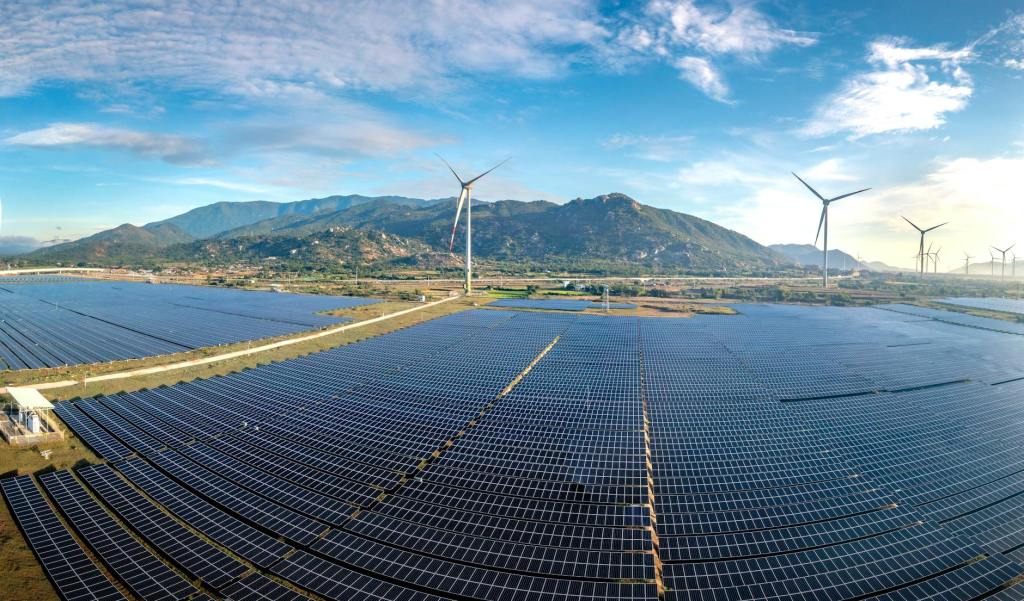
At the same time, low-carbon power sources are expanding quickly. Solar, wind and nuclear generation all grew strongly, with solar leading the surge. Large-scale deployment of renewables and energy storage has allowed clean electricity to meet a rising share of demand, reducing the need for coal and gas generation.
Researchers say this momentum could push China to reach its emissions peak before its stated goal of peaking before 2030. Oil and gas emissions could peak very soon if current patterns continue, while coal use could crest later in the decade. However, analysts caution that weather conditions, hydropower availability and economic cycles could still influence the exact timing.
The report also highlights areas where emissions are rising. The chemical industry saw a noticeable increase, driven by greater use of coal and oil in plastics production. Trade tensions and shifting supply chains have encouraged more domestic production of key petrochemical feedstocks, adding upward pressure in that sector even as others level off.
Even with the slowdown, the study warns that current declines may not be deep enough for China to meet all of its climate commitments. Under the Paris Agreement, countries pledged to limit global warming and strengthen emissions reductions over time. China has announced goals to cut the carbon intensity of its economy and reduce overall emissions, but the latest data suggests a gap remains between present trends and long-term targets.
Experts at academic and policy institutions say the plateau is still meaningful. Work associated with Nicholas Institute of Energy, Environment and Sustainability at Duke University notes that once emissions stop rising, policy and technology shifts can drive sharper declines. Rapid electrification, grid expansion and continued renewable deployment could accelerate reductions in the coming years.
China’s approach has focused on electrifying industry, transport and buildings while scaling up domestic clean-energy manufacturing. This strategy aligns climate goals with industrial policy and energy security, allowing emissions control to proceed alongside economic growth.
The international context also matters. China overtook the United States as the largest annual emitter in 2006, though its historical share of cumulative emissions remains smaller and its per-capita emissions are lower. Differences in policy consistency and investment strategies between major economies continue to shape global emissions trends.
Recent political developments in the United States have drawn attention as well. The Washington Coal Club has publicly celebrated coal’s role in the energy mix, while the Department of Defense has been directed to increase electricity purchases from coal-fired plants. Such moves contrast with China’s heavy investment in renewables, even as China still relies significantly on coal.
Within Beijing, officials continue to frame emissions control as compatible with development and energy security. The new analysis suggests that policy direction, market forces and technology deployment are now combining to slow emissions growth in measurable ways.
Whether this moment proves to be a lasting peak or a temporary pause will depend on future policies, economic conditions and the pace of clean-energy expansion. Still, the prospect that the world’s largest emitter could peak early offers cautious optimism for global climate efforts. A sustained decline from China would not solve climate change on its own, but it would significantly improve the odds of keeping international temperature goals within reach.




 PARYAWARAN
Leave a comment