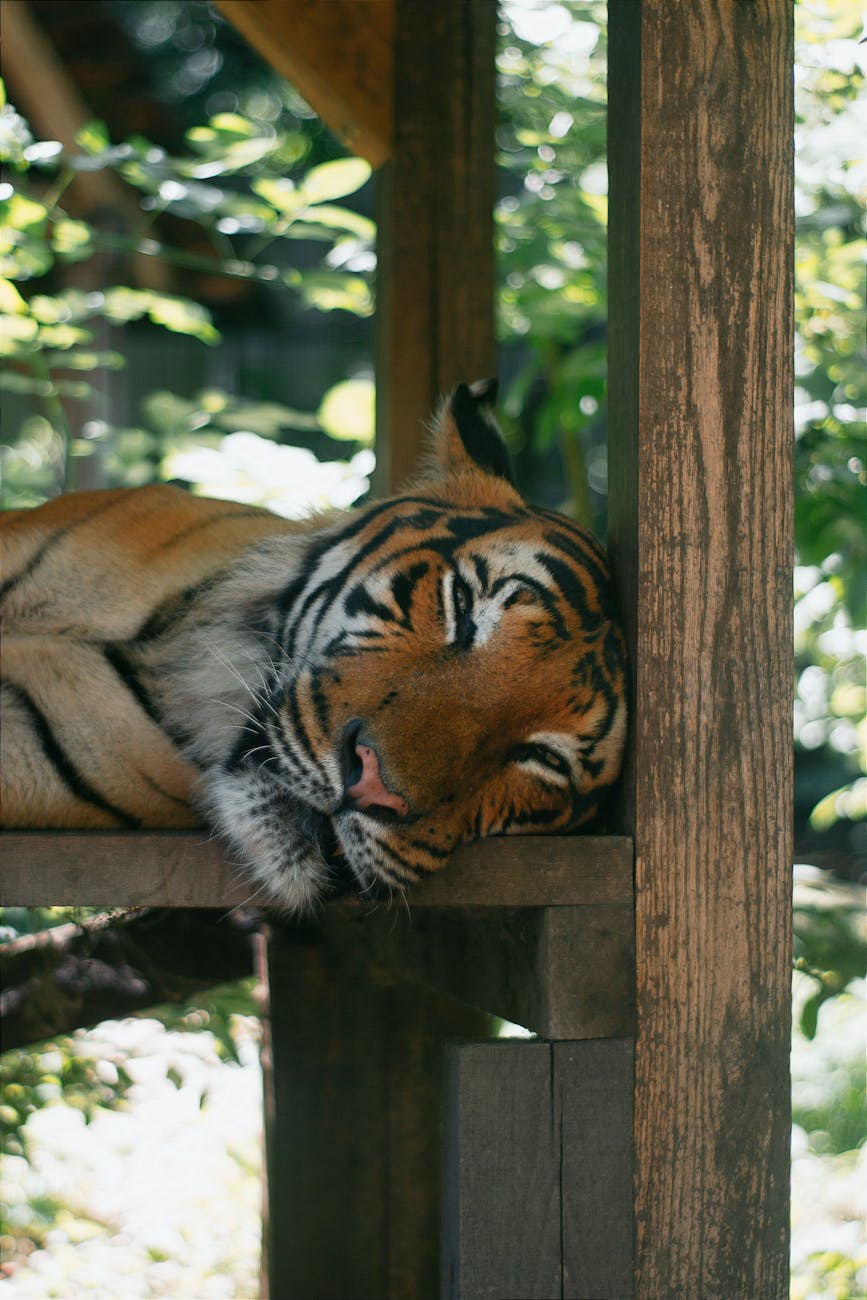
At least 72 tigers have died at a private animal park in northern Thailand following an outbreak of a highly infectious virus and a bacterial respiratory infection, authorities confirmed this week.
The deaths occurred at two facilities operated by Tiger Kingdom in Chiang Mai province, located in Mae Rim and Mae Taeng districts. Between February 8 and February 19, 21 tigers died at the Mae Rim site and 51 at the Mae Taeng site, according to regional officials. The unusual spike in fatalities prompted an urgent investigation by provincial livestock authorities.
Laboratory testing identified the presence of canine distemper virus (CDV), a contagious viral disease that affects canids and can also infect large wild cats, along with Mycoplasma species bacteria associated with respiratory illness. Officials said the combination of the virus and bacterial infection likely led to severe pneumonia and complications, contributing to the high mortality rate.
Initial tests ruled out influenza A virus. Samples from carcasses and animal feed were sent to the Faculty of Veterinary Medicine at Chiang Mai University for detailed analysis. Results were reported to the Department of Livestock Development and the Department of National Parks, Wildlife and Plant Conservation.
Authorities stated that canine distemper virus is not zoonotic and does not pose a transmission risk to humans. Nonetheless, strict disease-control measures have been implemented to prevent further spread among the remaining animals. These measures include disinfecting enclosures, isolating sick animals, relocating surviving tigers to a quarantine and nursing facility in Mae Taeng district, and preparing vaccinations for those still at risk.
The Mae Rim facility has announced a temporary 14-day closure as containment and monitoring efforts continue. Officials have also sprayed disinfectant across affected areas and intensified health surveillance of the surviving tigers.
Investigators cited potential contributing factors such as inbreeding in captive settings, which can weaken immune systems and increase vulnerability to infectious diseases. They also noted that early symptoms of illness in tigers can be difficult to detect, meaning the disease may have progressed significantly before visible signs appeared.
Tiger Kingdom markets close interactions between visitors and the animals, including opportunities to touch and photograph the big cats.
Animal welfare groups have criticised captive wildlife attractions, arguing that confinement, stress, and high-density housing conditions can exacerbate disease risks. They said the incident highlights broader concerns about the welfare and management of large predators kept in private facilities.
Authorities have urged the public to report any unusual animal illnesses or deaths promptly to local livestock offices to ensure swift intervention. Monitoring and containment efforts remain ongoing as officials work to prevent additional fatalities.




 PARYAWARAN
Leave a comment