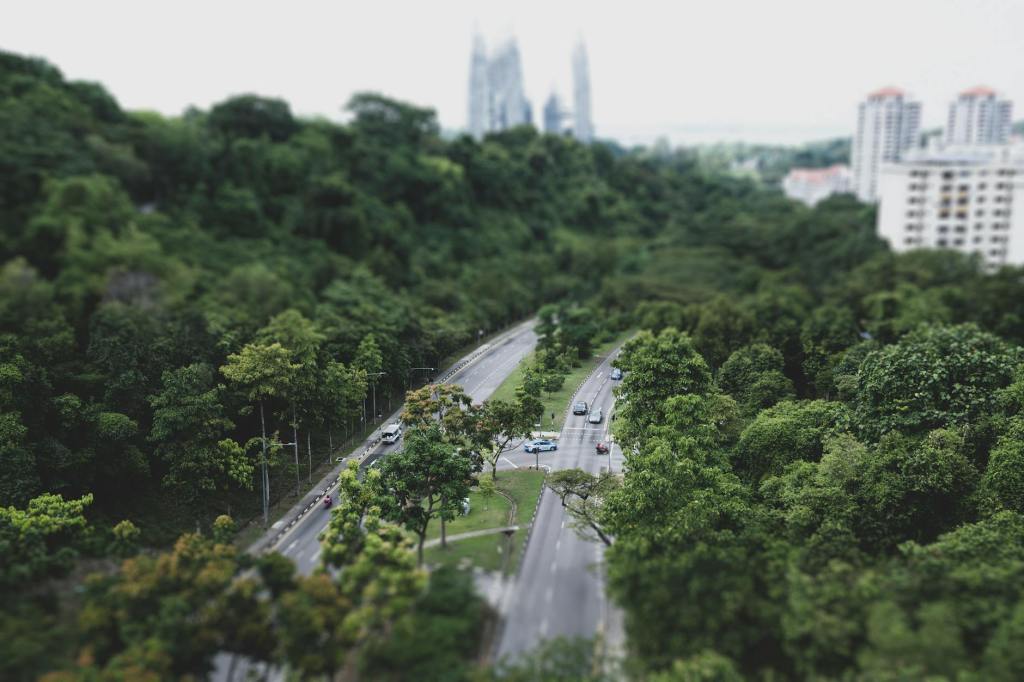
As wildlife populations worldwide decline at alarming rates, a handful of cities across the globe are charting a different course—one where urban expansion and ecological restoration move forward together. With global wildlife numbers having fallen by 73 percent over the past five decades, largely due to habitat loss and degradation, these urban centers are demonstrating that biodiversity can thrive even in densely populated environments.
From Latin America to East Asia and North America, cities are embracing “nature-positive” strategies that restore waterways, protect habitats, and integrate environmental planning into infrastructure development. Five urban centers in particular—Barranquilla, Belém, Durban, Incheon, and San Francisco—are proving that cities can become engines of ecological recovery rather than drivers of environmental decline.
In Barranquilla, a rapidly growing coastal city located amid tropical dry forests and mangroves, authorities have launched a $380 million green investment initiative. Facing challenges such as flooding, erosion, and pollution, the city has focused on restoring ecosystems while upgrading infrastructure. More than 1.8 million square meters of green space have been recovered, enabling 93 percent of households to access natural areas within an eight-minute walk.
The city has constructed 70 kilometers of naturalized stream channels that reduce flood risk while preserving biodiversity. Renewable energy investments, including a biogas plant and solar-powered street lighting, further cut carbon emissions. Programs integrating informal waste collectors into the formal economy demonstrate how environmental and social goals can align. The model emerging from Barranquilla offers a blueprint for other Latin American cities grappling with similar development pressures.
Further south, Belém—gateway to the Amazon and home to 1.5 million residents—is redefining its relationship with water. Decades of development had seen wetlands filled and riverbeds paved, increasing vulnerability to flooding. Today, the city is reversing that trajectory through stream renaturalization projects that avoid concrete channelization.
A major macrodrainage program in the Matafome Basin combines infrastructure upgrades with housing relocation and environmental restoration. Meanwhile, a Community Urban Agroforestry Park reconnects residents with local rivers while improving water quality. More than 70 percent of residents are benefiting from improved living conditions as ecosystems recover. Belém’s approach stands out for integrating cultural connections to waterways into urban planning, reinforcing the idea that nature-positive development must reflect local identity.
On the African continent, Durban presents a different challenge. The metropolitan area is one of the most biodiverse cities in the world, supporting more than 2,200 plant species, 526 bird species, and 80 mammal species. Yet rapid informal settlement growth and a housing shortage of approximately 440,000 units threaten these habitats.
Through the Durban Metropolitan Open Space System, 95,000 hectares of ecologically valuable land and water are protected. The city’s Transformative River Management Programme, designed as a 10- to 15-year initiative, places waterways at the center of climate adaptation planning. By prioritizing nature-based solutions and coordinating government departments with private partners, Durban is attempting to balance urgent housing demands with ecosystem conservation.
In East Asia, Incheon is navigating the complexities of industrial development and environmental stewardship. As a major port city facing fine dust pollution, flooding, and water management challenges, Incheon has adopted a comprehensive Natural Environment Conservation Action Plan backed by strong national support.
The strategy expands protected areas and strengthens wildlife safeguards through public-private collaboration. Incheon has also joined the East Asia-Australasian Flyway Partnership, a multinational effort spanning 18 countries to protect migratory bird habitats from Siberia to Australia. The city’s efforts demonstrate how industrial hubs can implement localized, nature-based solutions without compromising economic vitality.
Across the Pacific, San Francisco is confronting biodiversity loss intensified by housing demand linked to its technology-driven economy. The city’s coastal scrublands, sand dunes, oak forests, and wetlands host rare and endangered species. However, fragmented management structures and limited community engagement have complicated conservation efforts.
Experts recommend the creation of a formal, citywide nature action plan to coordinate agencies and align housing development with ecosystem protection. Community gardens and biodiversity education initiatives could foster stronger public participation. San Francisco’s case illustrates that even affluent, environmentally conscious cities require structured, cross-sector collaboration to protect urban ecosystems effectively.
Despite differing geographies and governance systems, these five cities share core principles. Strong partnerships between governments, businesses, and communities underpin their success. Natural infrastructure—such as restored streams, wetlands, and green corridors—delivers multiple benefits, including flood mitigation, improved air quality, recreation spaces, and enhanced climate resilience.
Importantly, each city has adapted its strategy to local realities. Barranquilla’s coastal resilience projects differ from Belém’s river-centered restoration, Durban’s biodiversity zoning, Incheon’s port-based conservation, and San Francisco’s urban habitat coordination. Rather than copying generic models, they have tailored solutions to their ecological and social contexts.
As urban populations continue to grow, the pressure on ecosystems will intensify. Yet these pioneering cities show that urbanization does not have to come at nature’s expense. With thoughtful planning, inclusive governance, and sustained investment, cities can become places where biodiversity rebounds alongside economic and social development.
In a world grappling with accelerating environmental decline, nature-positive cities offer a hopeful path forward—one where concrete jungles evolve into living landscapes that sustain both people and wildlife.




 PARYAWARAN
Leave a comment