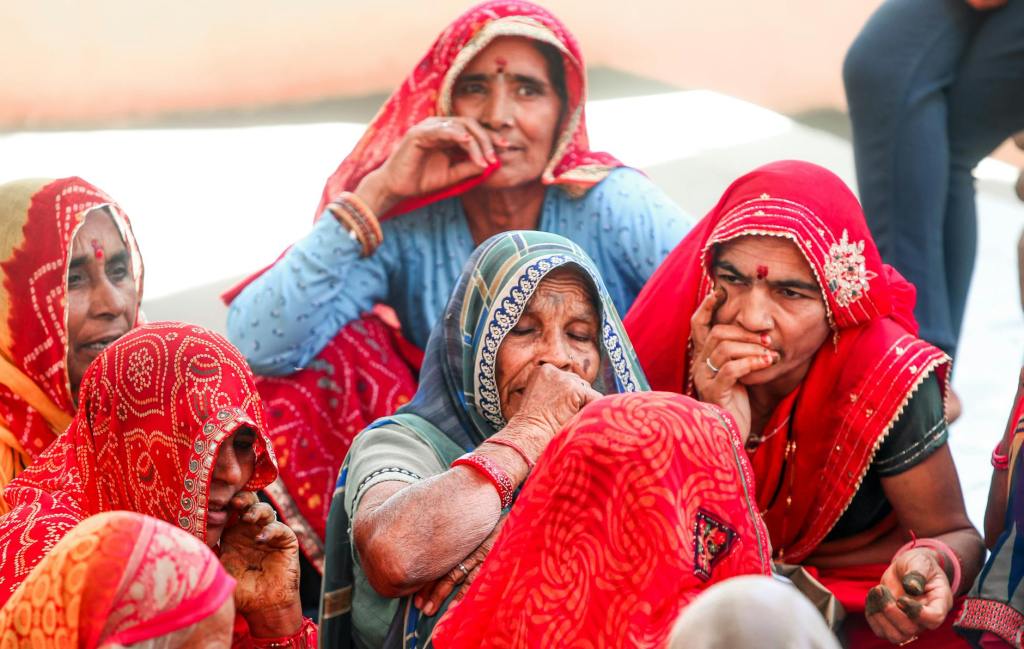
Kherwara in Udaipur district is emerging as a notable example of how environmental protection and sustainable livelihoods can advance together through community action.
Over the past several years, villagers across multiple gram panchayats have regenerated nearly 75 hectares of degraded pastureland in one village alone, with similar efforts spreading to neighboring settlements. Once-barren commons are now covered with dense greenery, improving biodiversity, water retention, and soil fertility.
The ecological revival has directly strengthened rural livelihoods. Increased availability of grass and tree leaves has improved fodder security for livestock, the backbone of the local economy. Regenerated green cover has enhanced groundwater recharge, benefiting agriculture. Villagers are also drawing income from non-timber forest produce such as honey, gum, timru leaves, and locally grown fruits.
The value of these regenerated commons became especially evident during the COVID-19 pandemic. As wage labor and other income sources collapsed, many families relied on forest produce and fallen branches for sustenance and income. Women, in particular, played a key role in collecting and selling forest products, helping households recover from financial setbacks.
In several villages, inspired by earlier successes, residents have undertaken fencing, trenching, and plantation drives. Nearly 15 species of trees, including fruit-bearing varieties and bamboo, have been planted in some regenerated sites. Despite threats from wild herbivores, communities have persisted. In one village, over 13,000 bundles of grass were harvested and distributed among residents in a single season, creating both fodder security and local employment.
The regeneration initiatives have also generated short-term wage opportunities through soil and water conservation works, with payments reported to be more prompt than those under conventional public employment schemes. Beyond wages, villagers have voluntarily contributed labor and resources to build community infrastructure near regenerated pastures, reflecting strong local ownership.
A leading voluntary organization, Seva Mandir, has played a facilitating role in promoting and supporting nearly 90 pasture regeneration efforts across the block. The initiatives have required collective action, including the removal of illegal encroachments on common lands. Despite local resistance and administrative challenges, communities have sustained momentum.
However, the gains remain vulnerable. Crop damage by wild animals, particularly nilgai, poses ongoing challenges to young plantations. More serious is the threat of destructive and often illegal marble and stone mining in parts of the region. In one belt, united community action succeeded in halting some illegal mining activities, though attempts to restore heavily degraded land have met with limited success due to severe soil erosion.
A significant new opportunity has emerged with the identification and approval of nearly 70 community forest plots for community-led management. These arrangements allow villagers to protect forests while sustainably harvesting grass and minor forest produce. If effectively implemented, this could further strengthen ecological resilience and income security.
As these efforts expand, Kherwara is increasingly being recognized as a model of participatory conservation. By linking pasture regeneration, forest protection, and livelihood enhancement, the region offers a promising example of climate adaptation and mitigation driven by grassroots engagement.



 PARYAWARAN
Leave a comment