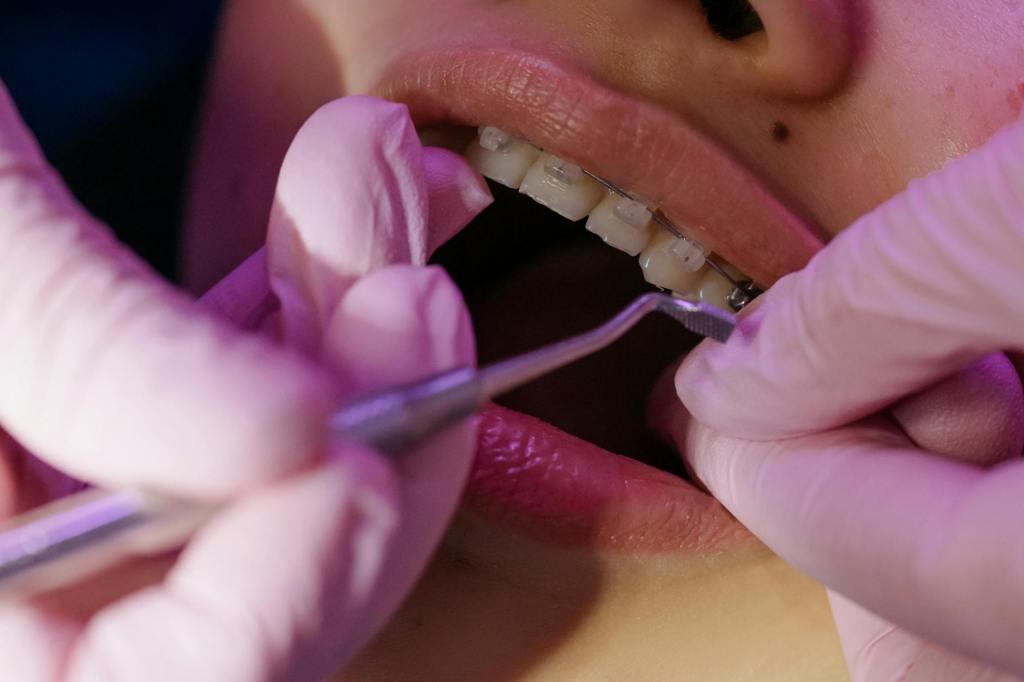
The Indian Health Service (IHS) has announced it will phase out the use of dental fillings containing mercury by 2027, marking a significant shift in treatment practices for Native American and Alaska Native communities.
Dental amalgams, commonly known as “silver fillings,” contain elemental mercury and have long been used to treat tooth decay. However, their use has steadily declined over the past decade. According to agency data, the share of IHS patients receiving amalgam fillings dropped from 12% in 2005 to just 2% in 2023 among its approximately 2.8 million users.
The move aligns with growing environmental and public health concerns about mercury exposure. The U.S. Department of Health and Human Services, which oversees IHS, cited increasing global efforts to reduce mercury use as a key factor behind the decision.
The U.S. Food and Drug Administration classifies dental amalgams as moderate-risk devices and notes they can release small amounts of mercury vapor during placement, removal, and chewing. While federal regulators and the American Dental Association state that current evidence does not link amalgam fillings to long-term health problems, the FDA recommends that pregnant women, young children, and individuals with certain neurological conditions avoid them.
International pressure has also mounted to reduce mercury use. The World Health Organization has encouraged countries to phase down dental amalgams, and the Minamata Convention on Mercury calls for a global phase-out of mercury-containing dental amalgams by 2034. By committing to eliminate their use by 2027 within IHS facilities, the United States will move ahead of the global timeline, though several developed nations have already banned the practice.
Advocates argue that patients relying on government-funded services often have limited choices in dental materials. While mercury-based fillings have largely disappeared from private dental practices, some state Medicaid programs continue to cover them as a treatment option.
The IHS transition to mercury-free alternatives is expected to further reduce mercury use in U.S. health care and support broader environmental and public health goals.




 PARYAWARAN
Leave a comment