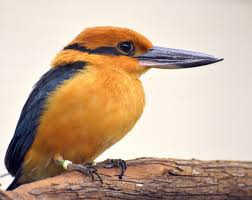
On September 23, 2024, six Guam kingfishers, known locally as sihek, were released into the wild on Palmyra Atoll. This event marks a significant milestone in conservation efforts, representing the first time these birds have flown freely in nearly 40 years since being declared “extinct in the wild.”
Once endemic to the forests of Guam, the sihek (Todiramphus cinnamominus) faced a critical decline after the accidental introduction of the brown tree snake (Boiga irregularis) in the 1940s. This invasive predator devastated Guam’s ecosystem, targeting native birds and their eggs. By 1986, the situation had become dire, prompting a rescue operation that brought 29 sihek into captivity.
For the past 35 years, these captive birds formed the foundation of a comprehensive breeding program aimed at preventing total extinction. This initiative has gradually increased their population, paving the way for their reintroduction into the wild. The culmination of these efforts occurred on September 23, when six young sihek were set free in the predator-free sanctuary of Palmyra Atoll, situated about 5,900 kilometers (3,700 miles) east of Guam.
The release was the result of meticulous planning and collaboration among various conservation organizations. Earlier in 2024, a significant breakthrough occurred when the first sihek chick of the season hatched at a zoo in Kansas. This was a noteworthy achievement, especially considering that only 45 breeding females remained globally at that time. The successful hatching marked a crucial step in ensuring the species’ genetic diversity and sustainability.
Before their release, the young sihek were fitted with tiny radio trackers to monitor their movements and habitat use. This technology is vital for understanding how the birds adapt to their new environment after years in captivity. The following months will be critical as they establish territories and potentially begin breeding, further enhancing the population.
The release on Palmyra Atoll is part of a broader strategy to establish a breeding population of at least 10 pairs of sihek in a protected environment. The atoll serves as a U.S. Fish and Wildlife Service National Wildlife Refuge, offering a safe haven free from the threats posed by the brown tree snake. The aim is that a successful breeding population on the atoll will serve as a stepping stone for the eventual return of the sihek to Guam once the threats from predators are mitigated.
This historic reintroduction highlights the dedication of the Sihek Recovery Program, a collaboration involving the U.S. Fish and Wildlife Service, Guam’s Department of Agriculture’s Division of Aquatic & Wildlife Resources, the Zoological Society of London, The Nature Conservancy, and various zoos. Their combined efforts illustrate the potential for successful conservation through teamwork and shared goals.
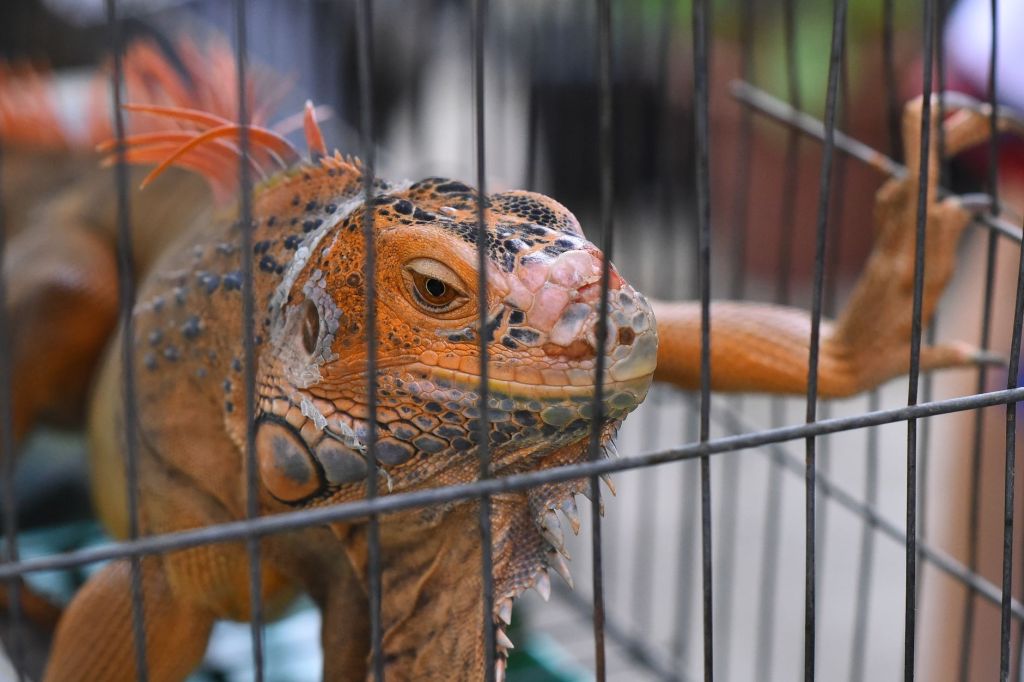
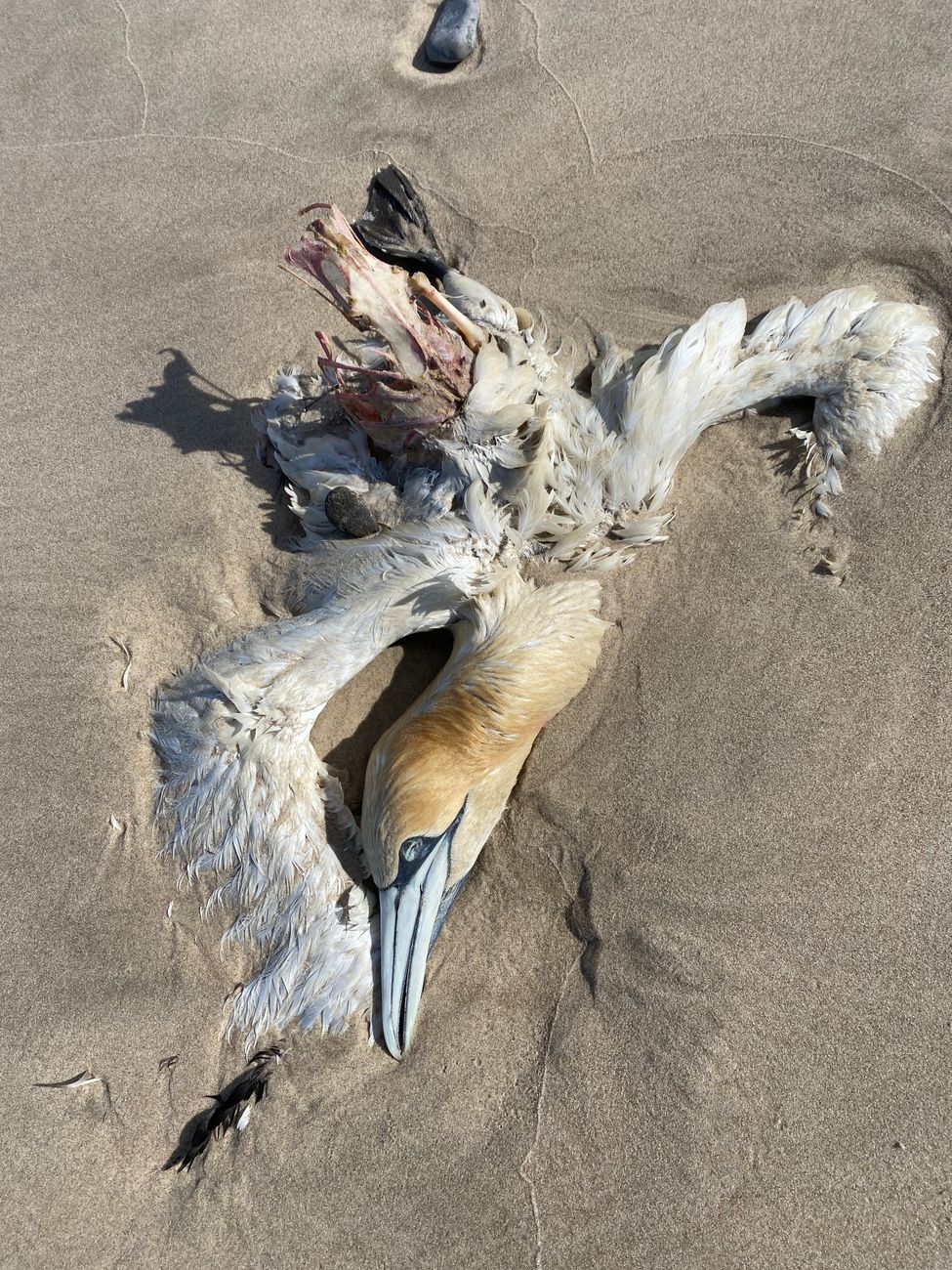
The reintroduction of the sihek offers hope amid a broader environmental crisis. Scientists agree that we are currently experiencing a mass extinction event driven largely by human activity. Key factors include habitat destruction, poaching, the illegal wildlife trade, overharvesting, the introduction of nonnative species, pollution, and climate change. The sihek’s plight exemplifies the severe consequences of these issues and the potential for recovery through dedicated conservation efforts.
As the sihek adapt to their new surroundings, the data collected from their tracking devices will provide valuable insights into their behavior, survival strategies, and breeding patterns. This information is crucial for guiding future reintroduction efforts for other endangered species facing similar threats. The journey of the sihek highlights the resilience of nature and the vital role that humans can play in facilitating recovery.
While the future of the sihek remains uncertain, the successful release into Palmyra Atoll marks a pivotal moment in conservation history. It embodies the hope that extinction can be reversed through concerted action and collaboration. As the population on the atoll thrives, there is optimism that this will eventually lead to the return of the sihek to Guam, restoring a part of the island’s natural heritage.
In a world increasingly affected by human actions, the story of the sihek serves as a reminder of the importance of preserving biodiversity and protecting vulnerable species. Each successful reintroduction benefits not only the species itself but also contributes to global conservation efforts aimed at addressing the ongoing biodiversity crisis.
The release of the Guam kingfishers into the wild represents a victory for this particular species and sends a broader message about the power of perseverance and collaboration in the face of adversity. As conservationists continue their work to safeguard the future of endangered species, the sihek stands as a symbol of hope for all dedicated to protecting the planet’s rich and diverse ecosystems.



 PARYAWARAN
Leave a comment