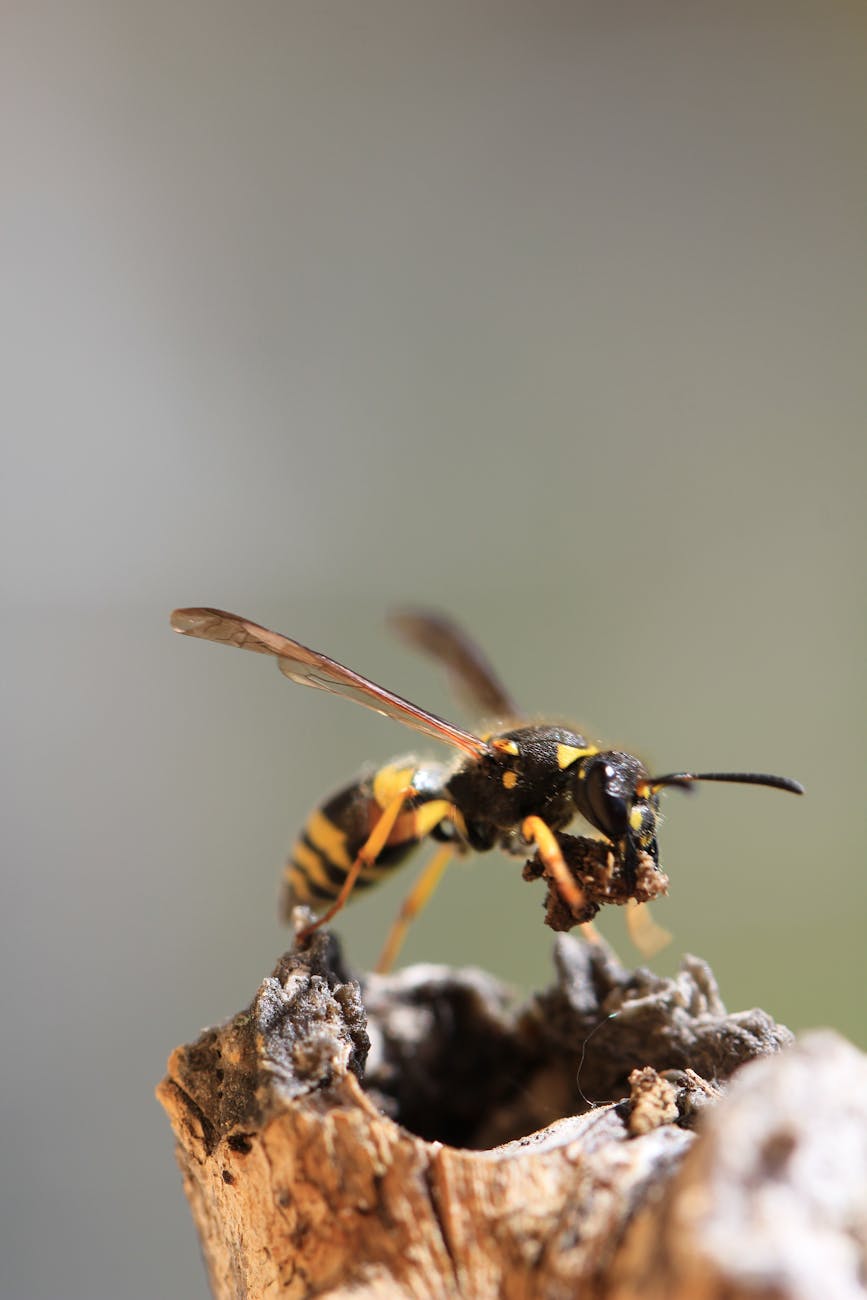
A tiny parasitic wasp has emerged as a crucial ally in the fight against extinction for the Wilkins’ bunting, a bird species native to Nightingale Island, part of the Tristan da Cunha archipelago, the most remote inhabited group of islands in the world. This bird relies on the fruit of the Phylica arborea, the island’s only native tree, for sustenance.
The plight of the Wilkins’ bunting intensified around 2011 when scientists observed the introduction of an invasive sap-sucking scale insect, likely brought to the island by human activities. These pests produce honeydew, fostering the growth of a sooty mould that threatens the health of Phylica arborea. The resulting damage to the trees posed a grave risk to the bird population, already under stress due to environmental factors.
The situation worsened after devastating storms in 2019, which decimated a significant portion of the forest. Pre-storm surveys indicated that the population of breeding pairs had dwindled to approximately 120.
In response, a collaborative effort was initiated by several organizations, including the Royal Society for the Protection of Birds (RSPB), the Centre for Agriculture and Bioscience International (CABI), and the Food and Environment Research Agency, alongside the Tristan da Cunha Government. The plan involved the introduction of the parasitoid wasp, Microterys nietneri, which effectively controls the scale insect population and halts its reproduction.
The transfer of the wasps from London to Nightingale Island was a logistical challenge. The wasps endured a lengthy journey by land, sea, and air, which included a flight to Cape Town and an enforced quarantine period due to COVID-19 regulations, followed by a week-long boat trip to Tristan and a final leg to Nightingale Island. Despite the arduous conditions, a small number of wasps survived the journey, with their first release occurring in April 2021.
Since then, additional releases have contributed to the establishment of a wasp population. Recent surveys indicate that, despite losing approximately 80% of the forest, an estimated 60 to 90 pairs of Wilkins’ bunting remain. While the bird population has decreased, the forest has begun to recover since the wasps were introduced, providing hope for the future stability and potential recovery of the bunting population.
This initiative illustrates the effectiveness of targeted ecological interventions in conserving threatened species. The collaborative effort and expertise from various organizations have created a positive outlook for the Wilkins’ bunting, highlighting the critical role that biodiversity plays in maintaining healthy ecosystems. The work done thus far underscores the importance of continued vigilance and proactive measures to protect vulnerable species and their habitats.




 PARYAWARAN
Leave a reply to Alok CI Cancel reply