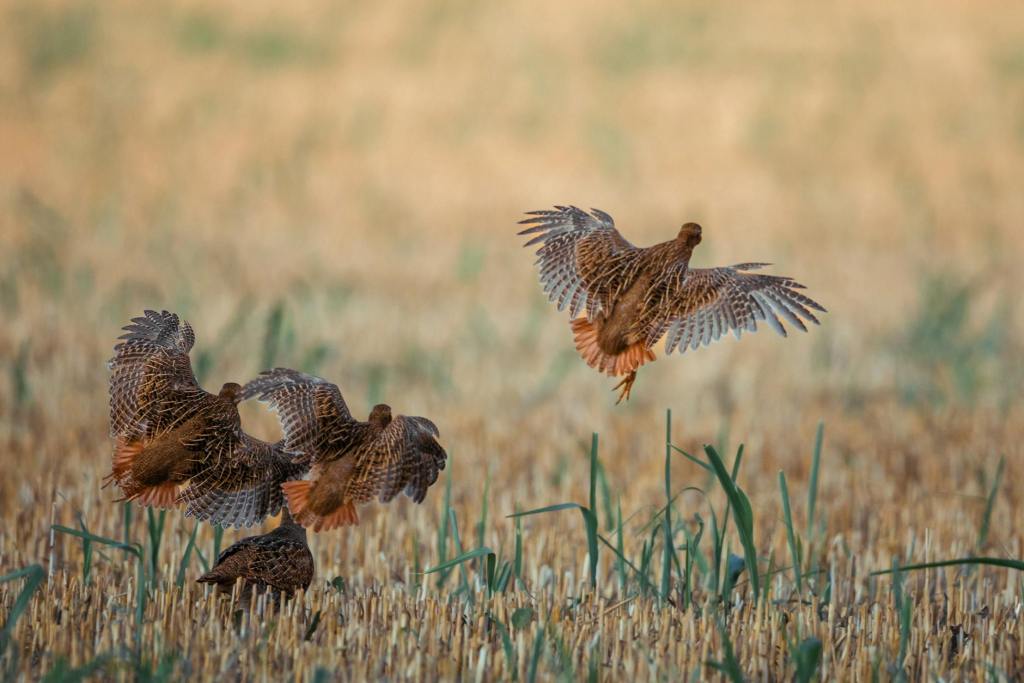
Türkiye’s wildlife conservation authorities released approximately 11,000 rehabilitated wild animals back into their natural habitats in 2025, marking another significant step in the country’s long-term efforts to protect biodiversity and strengthen ecosystems. The releases were part of a nationwide rehabilitation program aimed at rescuing, treating and reintegrating injured, sick or displaced wildlife.
According to official data, nearly 73,000 wild animals were treated and returned to nature between 2012 and 2024. These animals were affected by a range of factors, including natural disasters, traffic accidents, illegal hunting, disease, habitat loss and exhaustion caused by climate extremes. Conservation teams prioritize restoring animals to full health and ensuring they can survive independently before release.
In the past, wildlife rehabilitation in Türkiye relied largely on cooperation with universities, nongovernmental organizations and local governments. Since the early 2000s, however, the process has become more structured and institutionalized. Dedicated wildlife rehabilitation and care centers have been established in 11 provinces, enabling authorities to respond more effectively and consistently to wildlife emergencies across the country.
These centers are equipped to provide comprehensive veterinary care. Services include emergency treatment, diagnostic imaging, surgical procedures and intensive care when required. In addition to medical treatment, animals undergo species-specific behavioral rehabilitation designed to help them regain natural instincts needed for survival, such as hunting, foraging and avoiding predators.
Before any animal is released back into the wild, it undergoes thorough health screenings. These include checks for parasitic and infectious diseases to reduce the risk of spreading illness to wild populations. Only animals deemed fully recovered and capable of surviving independently are approved for release.
Post-release monitoring plays a key role in evaluating the success of rehabilitation efforts. Conservation teams use methods such as tagging, banding and electronic transmitters to track animals after they return to nature. This monitoring helps assess how well animals adapt to their environments and provides valuable data to improve future rehabilitation and release strategies.
Beyond rehabilitation, Türkiye has also invested heavily in wildlife breeding programs to support biodiversity and reinforce declining populations. Special breeding stations have been established for species considered important for ecological balance, particularly partridges and pheasants.
Partridge breeding stations operate in several provinces, while pheasant breeding stations are located in key regions including major urban and forested areas. These programs aim not only to boost bird populations but also to support natural pest control mechanisms within ecosystems.
Partridges are released to help limit tick populations, which can pose risks to both wildlife and human health. Pheasants are used as part of biological control strategies against invasive agricultural pests, especially the brown marmorated stink bug, which has caused serious damage to crops in Türkiye’s Black Sea region.
Since early last year, tens of thousands of partridges and pheasants have been released into the wild. Over the past decade, hundreds of thousands of these birds have been introduced into natural habitats, bringing the total number of captive-bred birds released to more than one million. Authorities say these efforts contribute to healthier ecosystems while reducing reliance on chemical pest control.
Officials have also emphasized the importance of public cooperation in protecting wildlife. Illegal hunting remains a major threat to animal populations, and enforcement alone is not enough without public awareness and reporting. Citizens are encouraged to report poaching and other wildlife crimes to help conservation teams act quickly.
At the same time, authorities caution against well-intentioned but harmful human intervention. Members of the public are advised not to remove young animals from the wild unnecessarily, as many are mistakenly taken from their natural environment when they are not actually abandoned.
Through a combination of rehabilitation, breeding, monitoring and public engagement, Türkiye’s wildlife conservation efforts continue to expand. The release of 11,000 animals in 2025 reflects a broader commitment to safeguarding natural heritage and ensuring that wildlife can thrive alongside human development.

 PARYAWARAN
Leave a comment