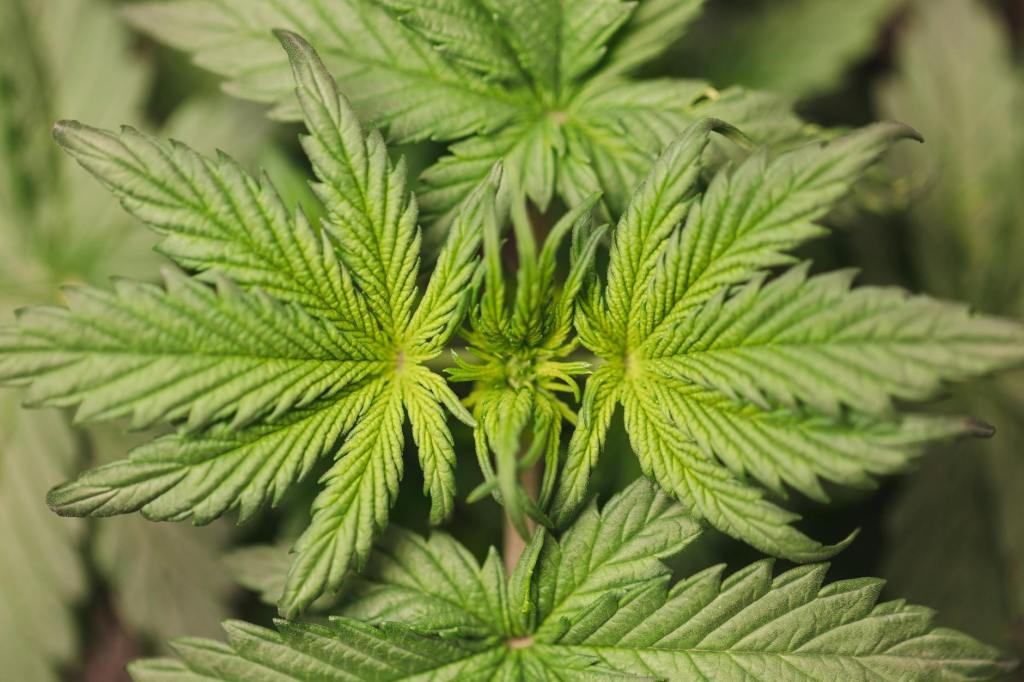
As the world marked World Wildlife Day, United Nations Secretary-General António Guterres called for urgent action to protect plants — the “unsung architects” of life on Earth — warning that their decline poses a direct threat to ecosystems, economies and human health.
While conservation efforts often spotlight endangered animals, this year’s focus on medicinal and aromatic plants shifts attention to flora that sustain traditional knowledge systems, modern pharmaceuticals and rural livelihoods. Plants stabilize soils, regulate water cycles, store carbon and form the base of food webs. Yet climate change, habitat destruction, illegal trade and overharvesting are pushing thousands of species toward risk.
For India, the warning carries particular weight.
Recognised as one of the world’s megadiverse nations, India accounts for nearly 8 per cent of global plant diversity despite covering just 2.4 per cent of the planet’s land area. The country hosts more than 18,000 species of flowering plants, with high levels of endemism in biodiversity hotspots such as the Western Ghats, the Eastern Himalaya and parts of the Northeast.
Medicinal plants form a cornerstone of India’s traditional healthcare systems, including Ayurveda, Unani, Siddha and Sowa-Rigpa. The domestic herbal medicine market has expanded rapidly, supported by government initiatives to promote AYUSH systems. India is also one of the largest exporters of medicinal plant raw materials and plant-based extracts, supplying global pharmaceutical and cosmetic industries.
However, rising demand has intensified pressure on wild populations. Studies estimate that a significant proportion of medicinal plant species used by industry are still sourced from forests rather than cultivated farms. In Himalayan states such as Uttarakhand and Himachal Pradesh, high-value species including the Himalayan yew and kutki face threats from unsustainable harvesting. In the Western Ghats, habitat fragmentation due to roads, dams and plantations has reduced forest cover critical for endemic flora.
Climate change compounds these risks. Research in the Indian Himalayas shows upward shifts in plant distribution as temperatures rise, potentially shrinking suitable habitats for alpine medicinal species. Erratic rainfall patterns and prolonged droughts in central and peninsular India are also affecting regeneration cycles and seed dispersal.
India’s policy framework reflects growing recognition of these challenges. The country is a signatory to the Convention on International Trade in Endangered Species of Wild Fauna and Flora, which regulates international trade in threatened plants, and has committed to the targets under the Kunming-Montreal Global Biodiversity Framework to halt biodiversity loss by 2030. The Biological Diversity Act, 2002, provides for conservation, sustainable use and equitable benefit-sharing, particularly with Indigenous and local communities who are custodians of traditional knowledge.
The National Medicinal Plants Board promotes cultivation programmes aimed at reducing extraction from the wild. Several states have introduced buy-back schemes and subsidies encouraging farmers to grow medicinal crops such as ashwagandha, safed musli and lemongrass. Community forest management initiatives in Odisha and Maharashtra have demonstrated that involving local communities in monitoring and sustainable harvest practices can protect plant populations while improving incomes.
Yet enforcement gaps and limited data remain persistent hurdles. Many plant species have not been comprehensively assessed for conservation status, and botanical surveys often lag behind rapid land-use changes. Illegal trade networks, particularly in rare orchids and high-altitude herbs, continue to operate across porous borders.
Coastal and marine plant ecosystems also demand attention. Mangroves in states such as West Bengal and Gujarat serve as buffers against cyclones while storing significant amounts of carbon. Seagrass meadows along India’s coastline provide nursery grounds for fish and contribute to “blue carbon” sequestration. Protecting these systems aligns with global efforts such as the Agreement on Marine Biological Diversity of Areas Beyond National Jurisdiction, which seeks to strengthen conservation of marine biodiversity.
The Secretary-General’s call to become “gardeners of the global commons” resonates strongly in a country where sacred groves, temple forests and community-conserved areas reflect centuries-old traditions of plant stewardship. However, balancing infrastructure expansion, agricultural growth and biodiversity protection remains a complex policy challenge.
Experts argue that scaling up plant conservation will require improved botanical research, stricter trade monitoring, climate-adaptive management strategies and greater public awareness that plants are not passive background scenery but active regulators of planetary health.
As World Wildlife Day underscores the centrality of medicinal and aromatic plants, India’s experience illustrates both the stakes and the possibilities. Protecting plant diversity is not only an environmental imperative but also a public health, cultural and economic priority — one that will shape the resilience of ecosystems and communities for generations to come.


 PARYAWARAN
Leave a comment