The world is living through a biological reckoning.
For more than three decades, scientists have cautioned that Earth is edging toward a sixth mass extinction. Unlike the five that came before—triggered by asteroid strikes or tectonic convulsions—this one bears a single signature: human activity. Climate change, pollution, deforestation, overfishing and land conversion have converged into a planetary force reshaping life itself.
The scale of decline is sobering. Since 1500, at least 680 vertebrate species have been driven to extinction. The 2024 “Living Planet Report,” published by the World Wide Fund for Nature and the Zoological Society of London, estimates that monitored wildlife populations have fallen by an average of 73 per cent over the past 50 years. Freshwater species have suffered the steepest drop—85 per cent—while terrestrial and marine populations have declined by 69 per cent and 56 per cent respectively.
Behind these numbers lies a pattern: habitat destruction driven largely by modern food systems. Forests are cleared, wetlands drained and rivers dammed to meet rising consumption. Overexploitation, invasive species and disease intensify the strain. Climate change, in turn, magnifies every existing vulnerability.
Yet much of this erosion of life remains invisible. Biodiversity loss is not as immediately perceptible as a wildfire or flood. It unfolds quietly—species by species, ecosystem by ecosystem. The public face of conservation often obscures this complexity. Charismatic mammals dominate campaigns and fundraising drives, while less photogenic but ecologically critical species fade into obscurity.
A 2024 study in Nature Conservation by researchers at the University of Helsinki found no clear evidence that so-called flagship species generate more conservation funding than others. Even groups such as Wildlife SOS, citing assessments by the International Union for Conservation of Nature, acknowledge that media coverage disproportionately favours large mammals, despite many smaller taxa facing higher extinction risks.
India embodies both the promise and paradox of modern conservation. Occupying just 2.4 per cent of the world’s land area, the country supports nearly 8 per cent of global plant species and 7.5 per cent of animal species. At the IUCN World Conservation Congress in Abu Dhabi last October, the government announced a National Red List Assessment initiative to better evaluate species status and meet international biodiversity commitments.
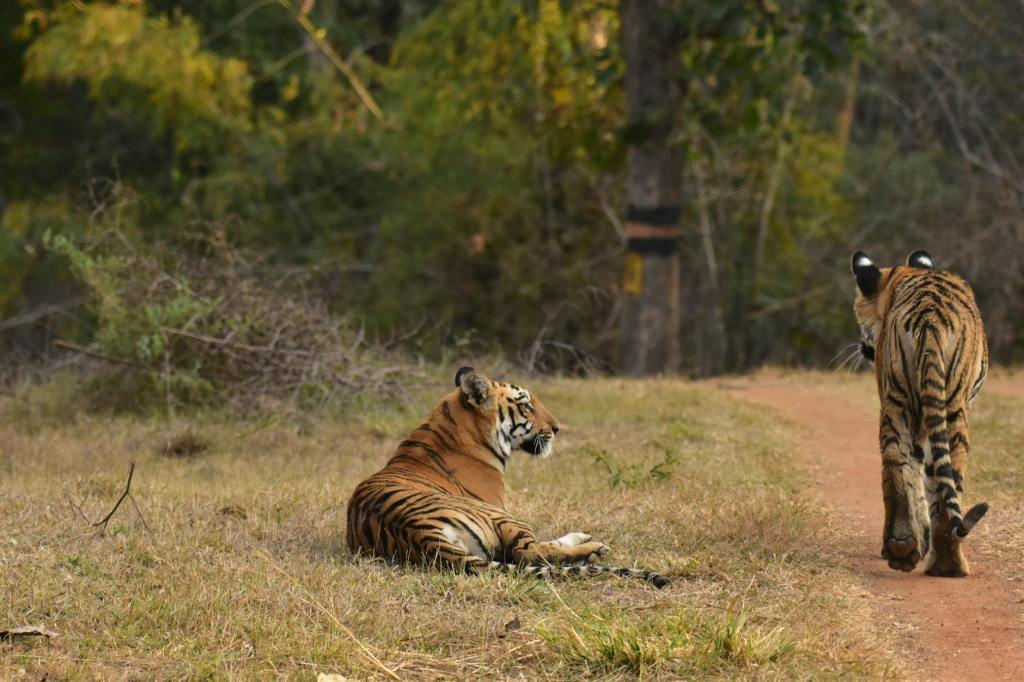
High-profile programmes have delivered results. Tiger numbers have rebounded in states such as Madhya Pradesh, Uttarakhand and Maharashtra. The Asiatic lion population in Gujarat’s Gir landscape has climbed from 674 in 2020 to 891 in 2025, prompting an improvement in its conservation status. These gains demonstrate that focused political will and sustained funding can reverse decline.
But beyond the spotlight, a quieter crisis unfolds. Vultures—once ubiquitous across the subcontinent—have suffered catastrophic collapses. Populations of white-rumped, Indian and slender-billed vultures have fallen sharply over recent decades. Pollinators, too, are diminishing; in Odisha, native bee numbers are believed to have dropped by as much as 80 per cent since 2002. The fate of flies, beetles and butterflies—linchpins of agricultural productivity—remains poorly documented.
Even institutional capacity is under scrutiny. A recent misidentification by the Central Zoo Authority, which confused the critically endangered Alpine musk deer with a related Himalayan species and initiated a breeding programme for the wrong animal, underscored systemic weaknesses in species-level expertise.
The story of a western hoolock gibbon family stranded atop a lone ficus tree in Arunachal Pradesh this December offers a stark metaphor. Expanding farmland had severed the forest canopy, isolating the animals. Though rescued, their predicament reflected a broader truth: habitat fragmentation is accelerating faster than restoration.
Conservationists warn that the narrow focus on iconic species risks masking the structural unraveling of ecosystems. Frogs regulate pests. Snakes control rodents. Insects pollinate crops. Each thread holds the web together.
The biodiversity crisis is not simply about saving emblematic animals. It is about preserving the integrity of systems that sustain life—including human life. Without widening the lens beyond charisma and confronting the deeper drivers of ecological decline, experts caution that today’s celebrated conservation successes may prove fragile in a rapidly destabilising world.


 PARYAWARAN
Leave a comment