As the climate crisis deepens, attention has largely focused on cutting emissions and transitioning to renewable energy. Yet a growing body of research suggests that nature itself — particularly wild animals — is already working to stabilise the planet in ways that are only beginning to be fully understood.
With global temperatures now about 1.4°C above preindustrial levels, the consequences of human-driven warming are becoming increasingly severe. Heatwaves, floods, droughts and wildfires are intensifying, while biodiversity loss continues at an alarming pace. Forests are cleared, oceans are overexploited, and ecosystems are pushed to the brink.
Amid this disruption, wildlife species across land and sea are quietly performing ecological functions that help capture carbon, protect habitats and reduce climate risks.
Shaping Forests, Storing Carbon
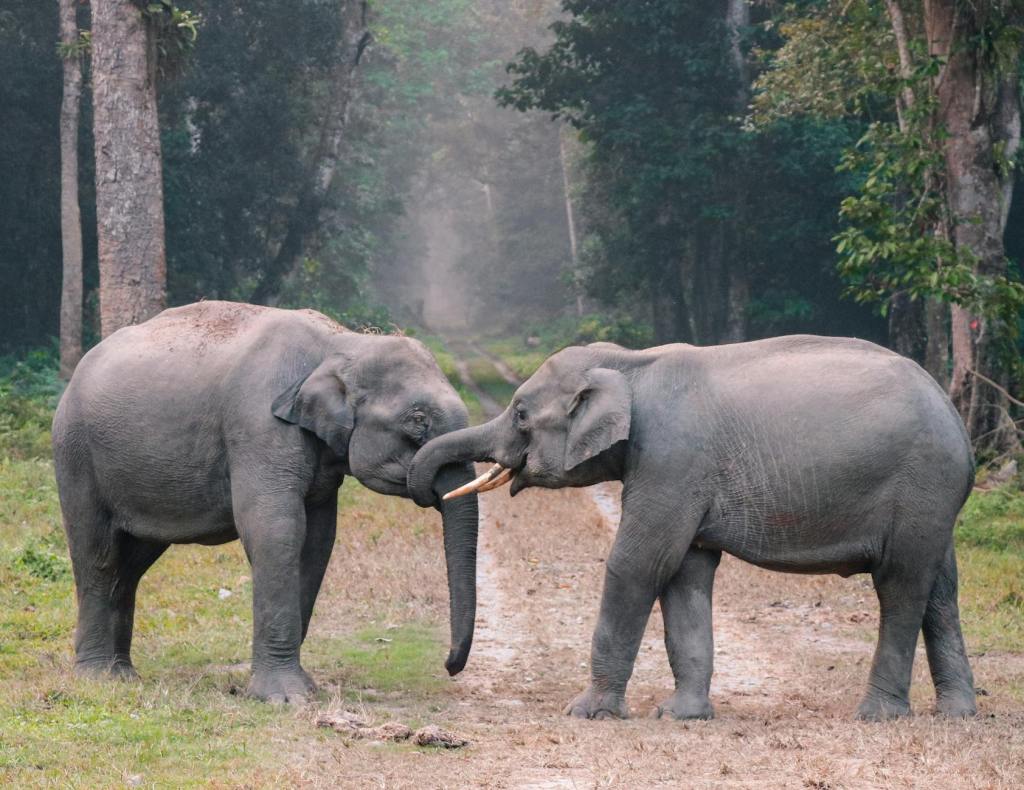
In tropical forests, large mammals such as elephants act as ecosystem engineers. By feeding on smaller vegetation and trampling undergrowth, they reduce competition among trees. This creates space for larger, denser tree species to thrive — species that are more efficient at storing carbon in their trunks and roots. The presence of elephants can therefore enhance the long-term carbon storage capacity of entire forest systems.
Predators play a different but equally important role. Forests inhabited by native tigers have been shown to hold significantly more carbon per hectare than comparable areas without them. By keeping populations of deer and wild boar in check, tigers prevent overgrazing of saplings and young plants. The result is healthier forest regeneration and increased biomass — effectively locking more carbon into vegetation.
Together, herbivores and predators influence how forests grow, regenerate and function as carbon sinks.
Soil Engineers Beneath the Surface
In Australia and other regions, small digging mammals are transforming soils in subtle but impactful ways. Bettongs and echidnas dig for food, creating pits that trap leaf litter and organic debris. Over time, these materials break down, enriching the soil with nutrients and improving its capacity to store carbon.
The process also enhances moisture retention. In landscapes growing hotter and drier due to climate change, soils that hold more water can support more resilient vegetation and reduce vulnerability to wildfire. These animals, once widespread but now declining in many areas, contribute to ecosystem stability simply through their daily foraging habits.
Nutrient Highways from Sea to Shore
In marine environments, seabirds are emerging as unexpected climate contributors. Feeding far offshore and returning to islands to nest, they transport nutrients across ecosystems. Their droppings fertilise island soils, and rainfall carries those nutrients into nearby coastal waters.
Coral reefs near islands with high seabird populations have demonstrated faster growth rates compared to reefs near islands with fewer birds. Enhanced nutrient inputs appear to support coral calcification, strengthening reef structures that are increasingly threatened by warming oceans and acidification.
While excessive nutrient pollution from human sources can damage marine life, these natural nutrient cycles can support reef resilience when ecosystems remain intact.
Seagrass Spreaders in the Ocean
Seagrass meadows rank among the most efficient natural carbon stores on Earth. Known as “blue carbon” ecosystems, they trap and bury carbon in underwater sediments for centuries. Green turtles contribute to the health and expansion of these meadows by consuming seagrass and dispersing its seeds across long distances.
In Australian waters, turtles have been recorded transporting seagrass seeds hundreds of kilometres, helping new meadows establish and damaged ones recover. Dugongs also graze on seagrass, stimulating growth and promoting meadow renewal. Healthy seagrass beds not only sequester carbon but also stabilise coastlines and provide nursery grounds for marine species.
Natural Flood Defences
Few animals illustrate ecosystem-based climate adaptation as visibly as beavers. By constructing dams, beavers slow the flow of rivers and create wetlands that absorb excess water. In a warming atmosphere capable of holding more moisture — leading to heavier rainfall — these wetlands act as natural flood buffers.
Beaver-created landscapes also retain water during droughts and reduce wildfire severity. Wet soils and ponds can function as firebreaks, limiting the spread and intensity of flames. At the same time, the wetlands formed by dams accumulate organic matter, storing carbon in saturated soils.
Nature’s Underestimated Strategy
These examples reveal a common pattern: animals influence the structure and function of ecosystems in ways that regulate climate processes. Through grazing, predation, digging, nutrient transport and habitat engineering, wildlife contributes to carbon sequestration, water regulation and ecosystem resilience.
However, the decline of species threatens to weaken these natural climate solutions. As habitats shrink and populations fall, the ecological services provided by wildlife may diminish, reducing nature’s capacity to buffer environmental change.
In the broader climate conversation, technological solutions often dominate headlines. Yet the evidence increasingly suggests that safeguarding wildlife and restoring ecosystems could be one of the most powerful — and cost-effective — tools available.
In the race to stabilise the climate, the world’s wild animals are not bystanders. They are active participants in maintaining the balance of the planet’s life-support systems.


 PARYAWARAN
Leave a comment