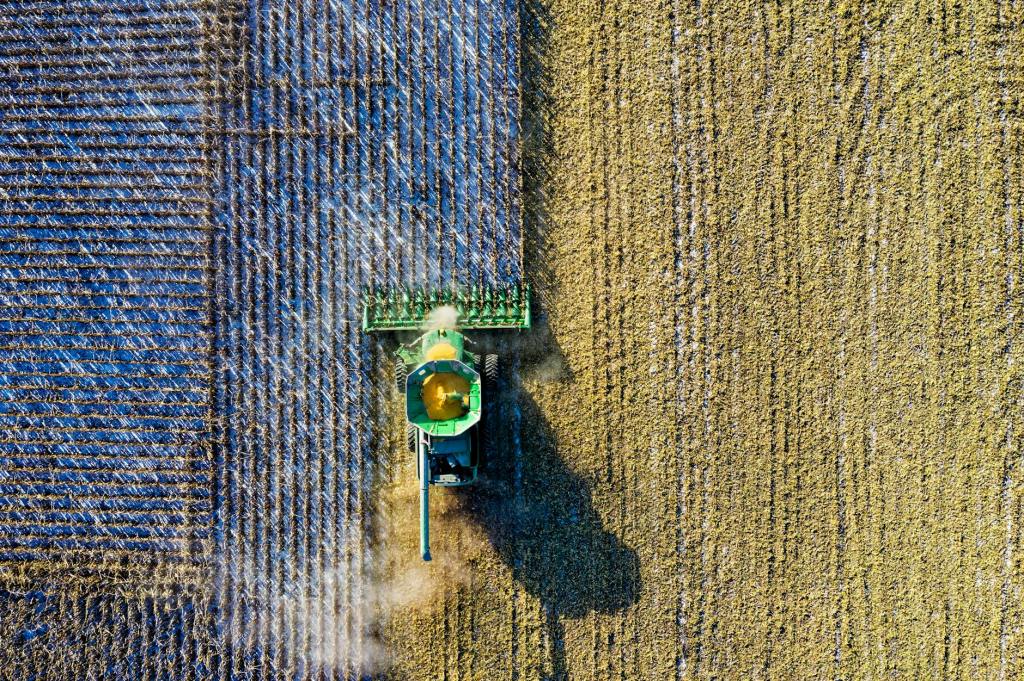
The United States Department of Agriculture (USDA) has agreed to make key climate risk data publicly available to farmers following a legal settlement with environmental and agricultural organizations. The agreement comes after a lawsuit challenged the removal of climate-related information from government websites earlier this year, raising concerns about farmers’ access to critical data needed to prepare for extreme weather and shifting climate conditions.
The dispute began shortly after President Donald Trump returned to office in January. At the time, reports indicated that employees within the USDA had been instructed to review and remove webpages referencing climate change. Among the affected resources were tools widely used by farmers to understand climate risks, anticipate extreme weather, and plan agricultural practices accordingly.
Several environmental and agricultural organizations responded by filing a lawsuit against the agency, arguing that the removal of the webpages restricted public access to vital information. The legal challenge was led by Earthjustice, representing multiple groups concerned about the loss of data-driven tools that support climate-resilient farming.
Just days before a scheduled court hearing in May, the USDA announced that it would restore the climate-related webpages. Although this step addressed the immediate concern of lost information, negotiations continued over how to ensure the data would remain accessible in the long term.
The lawsuit has now been settled, with the USDA agreeing to share the underlying datasets that power its online climate tools. These datasets include the information used in the agency’s climate risk viewer, a mapping platform that compiles more than 140 layers of environmental and climate-related data. The viewer includes detailed maps highlighting risks such as wildfire exposure, drought vulnerability, and other climate-driven hazards affecting agricultural landscapes.
Under the terms of the settlement, the climate risk viewer will remain online until the organizations involved receive the raw data behind the platform. This provision ensures that, even if the webpages are removed again in the future, the groups will still have access to the information needed to recreate the maps and tools independently.
Environmental groups say this outcome is significant because it preserves public access to scientific information that farmers rely on when making decisions about planting, irrigation, and long-term land management. The agreement also addresses concerns about transparency in government data management.
The original complaint argued that the removal of the webpages violated several federal laws governing public information. Among them was the Paperwork Reduction Act of 1995, which requires federal agencies to provide adequate public notice before significantly altering access to informational resources. The lawsuit also cited the Freedom of Information Act, which guarantees the public’s right to access government records.
Legal advocates involved in the case emphasized that the settlement does not prevent the government from updating or redesigning its websites. However, they argued that any major changes affecting public access to important datasets should follow established procedures, including proper notice and careful planning.
One of the organizations involved in the lawsuit, the Natural Resources Defense Council, had expressed concern that removing climate information from public platforms could hinder efforts to prepare communities for environmental challenges. By securing access to the raw data, the group and its partners can continue providing farmers and researchers with climate risk information even if the government modifies its digital tools in the future.
Farm advocacy groups say the issue goes beyond website access. Many farmers rely on USDA programs that provide financial assistance for climate-smart agricultural practices, such as soil conservation, water management, and carbon storage techniques. Some of the removed webpages previously offered guidance on loan programs and funding opportunities designed to support these practices.
Although the settlement restores access to climate data, questions remain about the availability of federal support programs. Farming organizations say producers across the country are uncertain about which loan and conservation initiatives remain active under current policies.
The situation highlights the broader financial pressures facing farmers in the United States. Agricultural producers are grappling with rising costs, extreme weather events, and shifting federal funding priorities. In recent months, several government programs that supported climate-resilient agriculture have reportedly faced budget reductions.
Advocates say that access to reliable climate information is especially critical at a time when extreme weather events — including droughts, floods, and wildfires — are becoming more frequent and intense. Data tools such as the USDA’s climate risk viewer allow farmers to assess regional risks and adapt their practices to protect crops, soil health, and long-term productivity.
At the same time, farming groups are closely watching the development of the next federal farm bill. Some fear that conservation funding, which supports practices that improve soil health and climate resilience, could be reduced in future legislation.
For now, the legal settlement ensures that the datasets underlying the USDA’s climate tools will remain publicly accessible. Supporters say this outcome represents an important step toward maintaining transparency and protecting farmers’ ability to prepare for a changing climate.



 PARYAWARAN
Leave a comment