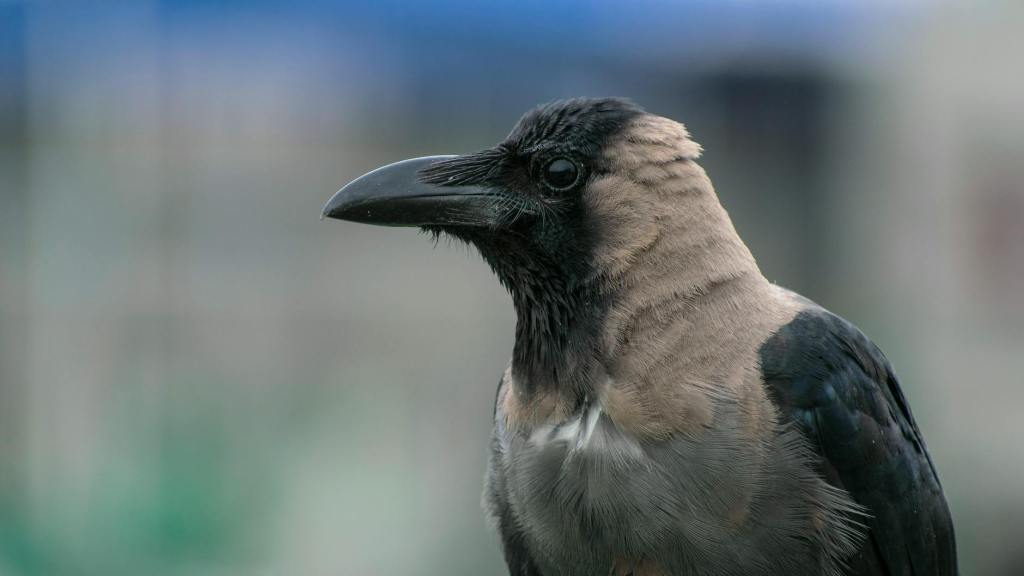
A striking idea about birds cleaning city streets spread widely online: crows trained to collect cigarette butts in exchange for food. While the story captured global imagination, the reality behind it is slightly different. The concept originated from a Swedish startup that proposed the idea as an experiment — but it never became an official municipal program.
The concept was developed by the Swedish startup Corvid Cleaning, founded by entrepreneur Christian Günther‑Hanssen. The company designed a machine that dispenses food rewards when a crow drops a cigarette butt into a slot. A camera inside the device verifies the object before releasing a small reward, such as a peanut.
The goal was simple: encourage wild crows to pick up discarded cigarette filters from streets and public spaces. The birds were not captured or forced to participate; instead, the system relied on their natural curiosity and learning abilities. “They are wild birds taking part on a voluntary basis,” Günther-Hanssen said while describing the concept.
Why Cigarette Butts?
Cigarette filters are the most common type of litter in many countries. In Sweden alone, more than one billion cigarette butts are discarded on streets each year, accounting for roughly 62 percent of all litter, according to the environmental group Keep Sweden Tidy. ([euronews][2])
Cleaning them up is costly. The city of Södertälje, located southwest of Stockholm, spends about 20 million Swedish kronor annually on street cleaning. The startup estimated that using trained crows could reduce cigarette-butt cleanup costs by as much as 75 percent.
Crows were chosen for the job because of their remarkable intelligence. Corvids — the bird family that includes crows, ravens and magpies — are widely regarded as among the smartest animals in the world. Scientific studies have shown that some species can solve puzzles, use tools and demonstrate reasoning skills comparable to young human children.
These abilities make them capable of learning reward-based tasks quickly. Once a crow understands that dropping a cigarette butt into a machine results in food, other birds may observe and imitate the behavior.
The Pilot That Never Happened
Despite widespread reports suggesting that Sweden had already deployed crow “cleaning crews,” the project never moved beyond a proposal stage.
According to officials in Södertälje, the company presented its idea as a potential pilot during the city’s Science Week event in 2022. However, the municipality ultimately chose not to move forward with the initiative.
The misunderstanding arose partly because early media reports described the project as a trial that might be rolled out across the city. Over time, social media posts transformed the proposal into a story suggesting that Swedish cities were already employing crows to clean streets.
In reality, the idea remained largely conceptual, although it sparked considerable debate about innovative approaches to urban waste management.
A Similar Idea Already Exists
Interestingly, the concept of birds collecting litter is not entirely theoretical. At the French historical theme park Puy du Fou, falconers trained several crows to pick up small pieces of trash, including cigarette butts, and place them into containers.
The birds were rewarded with food, demonstrating that corvids can indeed learn such tasks. Park officials said the effort was partly educational, designed to encourage visitors to think about environmental responsibility.
Innovation — and Questions
The Swedish proposal highlights a broader trend: using animal intelligence and behavioral science to address environmental challenges.
Supporters argue that such approaches could reduce litter-cleanup costs and highlight the cognitive abilities of urban wildlife. Critics, however, have raised concerns about animal welfare, noting that cigarette butts contain toxic chemicals that could harm birds if handled frequently.
Even without full implementation, the idea sparked global interest because it combines two powerful themes — environmental innovation and the remarkable intelligence of animals.
In the end, Sweden did not officially hire crows to clean its streets. But the proposal from Corvid Cleaning continues to inspire conversations about creative solutions to one of the world’s most stubborn pollution problems — the tiny but ubiquitous cigarette butt.



 PARYAWARAN
Leave a comment