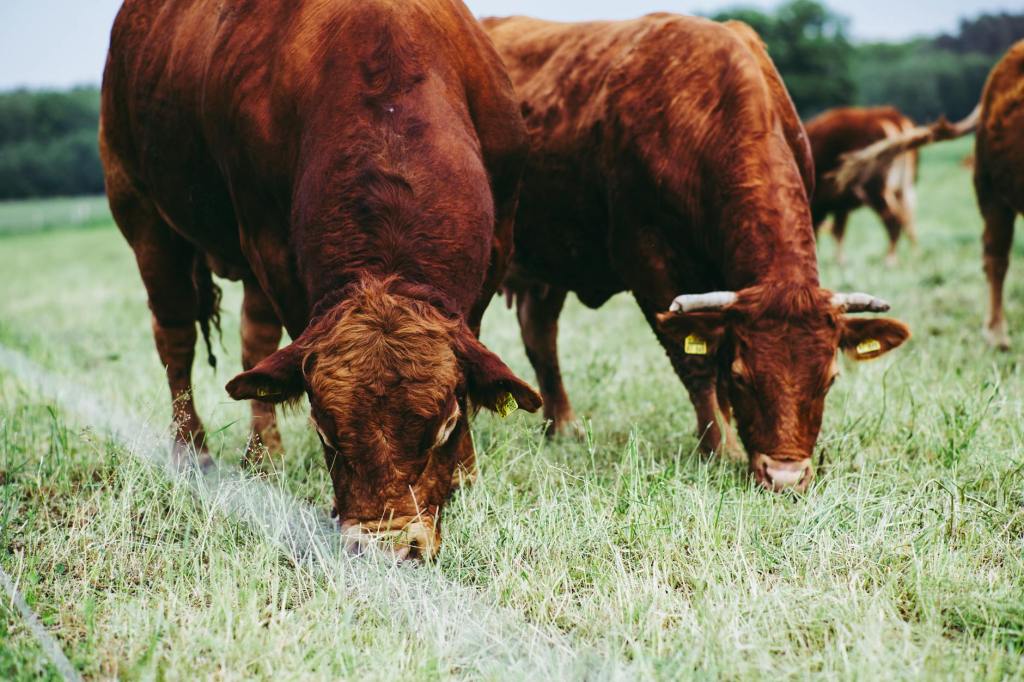
Natural grasslands and wetlands across the world are being converted into farmland at an alarming rate—nearly four times faster than forests—according to a new global analysis published in the journal Proceedings of the National Academy of Sciences. The research highlights an overlooked environmental crisis, warning that ecosystems rich in biodiversity and carbon storage are rapidly disappearing as agricultural expansion accelerates.
The international study, conducted by researchers affiliated with institutions including Chalmers University of Technology in Sweden and the Senckenberg Biodiversity and Climate Research Center in Germany, provides the first global assessment of where and why non-forest ecosystems are being transformed into agricultural land. The findings reveal that grasslands, savannas and wetlands are increasingly being converted into cropland and pasture to meet the growing global demand for food and livestock production.
While deforestation has long been the focus of environmental policies and climate campaigns, the study shows that the transformation of non-forest ecosystems has received far less attention despite its profound ecological consequences. These landscapes—often considered empty or underutilized—play a crucial role in supporting biodiversity, regulating water cycles and storing large amounts of carbon.
Grasslands, in particular, function as significant carbon reservoirs. Scientists estimate that between 20 and 35 percent of the carbon stored in ecosystems worldwide is held within grassland soils and vegetation. This makes them an important natural ally in efforts to mitigate climate change.
Beyond carbon storage, grasslands also support remarkable biodiversity. Roughly one-third of the world’s biodiversity hotspots occur within grassland regions, making them vital habitats for thousands of plant and animal species. These ecosystems also provide a range of benefits to people, including soil protection, water retention and grazing resources for pastoral communities.
Despite these benefits, grasslands are disappearing rapidly as agricultural production expands to meet rising global demand. The research examined satellite data and global supply-chain information from 2005 to 2020 to identify where natural ecosystems were converted and which agricultural products were linked to that expansion.
The analysis found that grasslands and wetlands were converted to agricultural land almost four times faster than forests during the 15-year period. Much of this expansion occurred as natural landscapes were turned into pastures for livestock or fields for crop cultivation.
Demand for several agricultural commodities is driving this transformation. The study identifies meat production as a major factor, as grazing land for cattle and other livestock continues to grow. At the same time, rising demand for cereals, nuts and oilseeds—key ingredients in both human food and animal feed—has increased pressure to expand cropland.
The geographic pattern of this conversion differs significantly from traditional deforestation trends. While forest clearing for agriculture is concentrated mainly in tropical regions, the expansion into non-forest ecosystems is occurring across a wider range of countries and climates.
The study found that Brazil accounted for the largest share of grassland and wetland conversion globally, representing about 13 percent of the total area affected between 2005 and 2020. Other major contributors included Russia, India, China, and the United States, each responsible for roughly six percent of the total converted area.
In several of these regions, vast open landscapes have historically been viewed as suitable for agricultural expansion because they lack dense tree cover. However, scientists warn that this perception ignores the immense ecological value of grassland ecosystems.
Researchers emphasize that conservation strategies must expand beyond protecting forests alone. Current environmental policies often prioritize preventing deforestation but rarely address the loss of grasslands, savannas or wetlands. As a result, these ecosystems remain vulnerable to agricultural conversion despite their ecological importance.
The study argues that addressing the issue requires coordinated action across global supply chains. Agricultural expansion is often driven not only by local demand but also by international markets, where food and livestock products are traded across continents.
This means that consumers, producers and policymakers all play a role in shaping land-use decisions. Governments can introduce policies that promote sustainable agriculture and limit the expansion of farmland into ecologically sensitive areas. At the same time, companies involved in global food supply chains can adopt sourcing practices that avoid products linked to ecosystem conversion.
Improved monitoring of non-forest ecosystems is also essential. By identifying regions where grasslands and wetlands are under the greatest pressure, conservation efforts can be targeted more effectively to protect vulnerable landscapes.
The researchers conclude that safeguarding these ecosystems is critical not only for biodiversity but also for climate stability and human livelihoods. Without stronger protection measures, the continued loss of grasslands could undermine global efforts to address climate change and biodiversity decline.
As environmental discussions increasingly focus on forests, the study serves as a reminder that some of the planet’s most valuable ecosystems lie beyond the tree line—and that their disappearance may be happening faster than previously recognized.




 PARYAWARAN
Leave a comment