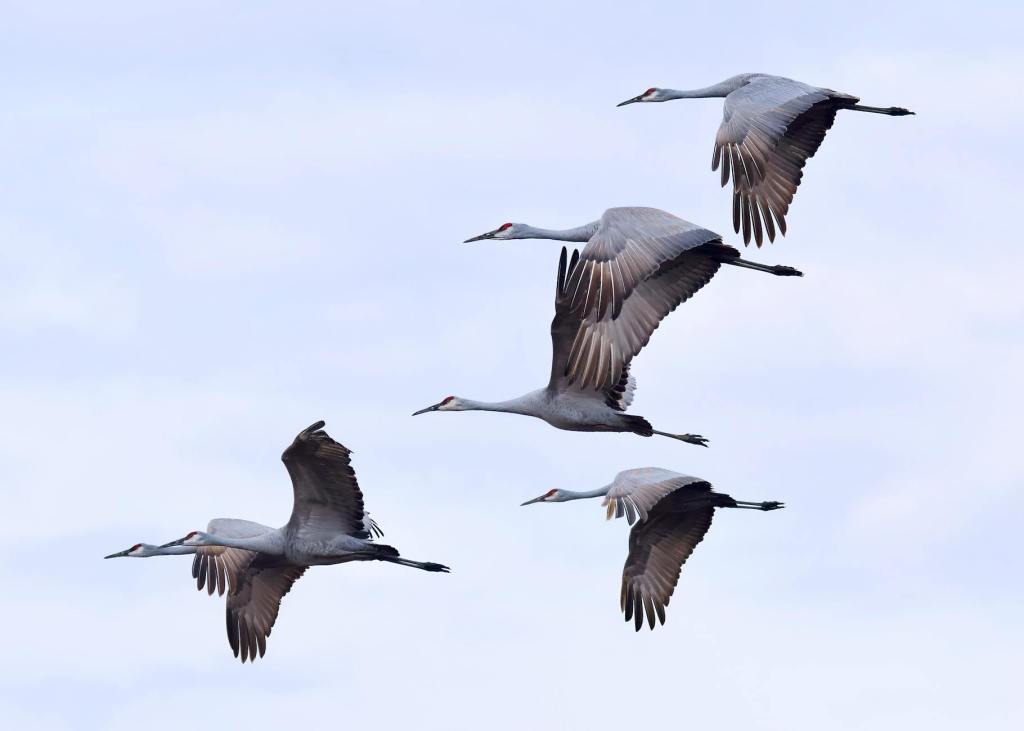
A new update to the global assessment of migratory wildlife has raised fresh concerns about the future of species that travel vast distances across the planet. According to the latest interim findings linked to the State of the World’s Migratory Species report, nearly half of all migratory species are now experiencing population declines, highlighting the growing pressure human activities and environmental changes are placing on wildlife.
The update was released ahead of the 15th Meeting of the Conference of the Parties to the Convention on the Conservation of Migratory Species of Wild Animals (CMS COP15). Researchers associated with the United Nations University – Institute for Environment and Human Security warned that the fate of many migratory animals remains uncertain despite ongoing conservation efforts.
Declining populations
The report shows that 49 percent of migratory species populations are declining globally, up from 44 percent when the first comprehensive assessment was released in 2024. In addition, 24 percent of migratory species are now facing the threat of extinction, a two-percent increase in just two years.
Scientists say migratory species are particularly vulnerable because they rely on multiple ecosystems along their migration routes. If even one critical habitat is disrupted, the survival of entire populations can be jeopardized.
“Migratory species depend on connected habitats across large geographic areas,” the report notes, emphasizing that pressures along migration routes can accumulate quickly.
Growing concerns for migratory birds
Among the most concerning findings are the trends affecting migratory birds. The report indicates that 26 species listed under the CMS have moved into higher extinction-risk categories, and 18 of those are migratory birds.
Migratory birds face a combination of threats, including habitat destruction, climate change, pollution and illegal hunting. Because these birds travel thousands of kilometers between breeding and wintering grounds, their survival depends on a chain of healthy ecosystems across continents.
When wetlands are drained, forests cleared or stopover sites degraded, birds can lose essential feeding and resting areas. Even small disruptions at these critical points along flyways can lead to sharp population declines.
Marine migratory species under pressure
The oceans are also proving increasingly hostile for migratory wildlife. Marine animals such as sharks and rays have experienced dramatic declines over the past decades.
Global analyses show that populations of sharks and rays have dropped by roughly half since 1970, largely due to overfishing, pollution, habitat destruction and climate change. These species often migrate across international waters, making conservation efforts especially challenging.
As top predators, sharks and rays play a key role in maintaining healthy marine ecosystems. Their decline could have cascading effects throughout ocean food webs.
Freshwater migratory fish in steep decline
Freshwater ecosystems are among the most affected environments. According to the most recent assessment of the Living Planet Index, monitored populations of freshwater migratory fish declined by an average of 81 percent between 1970 and 2020.
Species that migrate along rivers—such as salmon, eels and sturgeons—depend on unobstructed waterways to complete their life cycles. However, dams and other infrastructure barriers have fragmented many rivers around the world.
Pollution, water extraction, habitat degradation and climate change are further compounding the problem, leaving many freshwater migratory fish populations struggling to survive.
Human activities driving global decline
The report identifies human activity as the primary driver behind the worsening trends. Overexploitation, habitat loss and ecosystem degradation continue to impact migratory wildlife on a global scale.
Unsustainable hunting and fishing practices remain major threats for many species. At the same time, large-scale land conversion for agriculture, expanding infrastructure and industrial development are fragmenting the habitats animals rely on during migration.
Because migratory species move across borders, conservation actions in one region may be undermined by environmental damage elsewhere along their migration routes. This makes international cooperation critical for their survival.
Signs of hope through conservation
Despite the troubling trends, the report highlights that conservation action can produce meaningful results when implemented effectively.
Seven species listed under the CMS have recently moved into lower extinction-risk categories thanks to coordinated conservation efforts. These include the Saiga Antelope, the Scimitar-horned Oryx and the Mediterranean Monk Seal.
Their recovery has been attributed to stronger anti-poaching measures, habitat protection and international collaboration aimed at safeguarding migration routes and breeding areas.
Such examples demonstrate that targeted conservation initiatives can help species rebound even after severe population declines.
A call for global action
However, experts caution that isolated success stories will not be enough to reverse the broader trend. Protecting migratory wildlife requires coordinated action across countries and ecosystems.
The report emphasizes that meaningful progress will depend on addressing the underlying drivers of biodiversity loss, including unsustainable exploitation of natural resources and the ongoing degradation of habitats.
Migratory species connect ecosystems across continents and oceans, making them vital indicators of the planet’s ecological health. Ensuring their survival will require stronger international cooperation, improved habitat protection and a fundamental shift toward more sustainable relationships with nature.
Without such changes, scientists warn, many migratory species may continue to decline—placing some of the world’s most iconic animals at risk of disappearing altogether.


 PARYAWARAN
Leave a comment