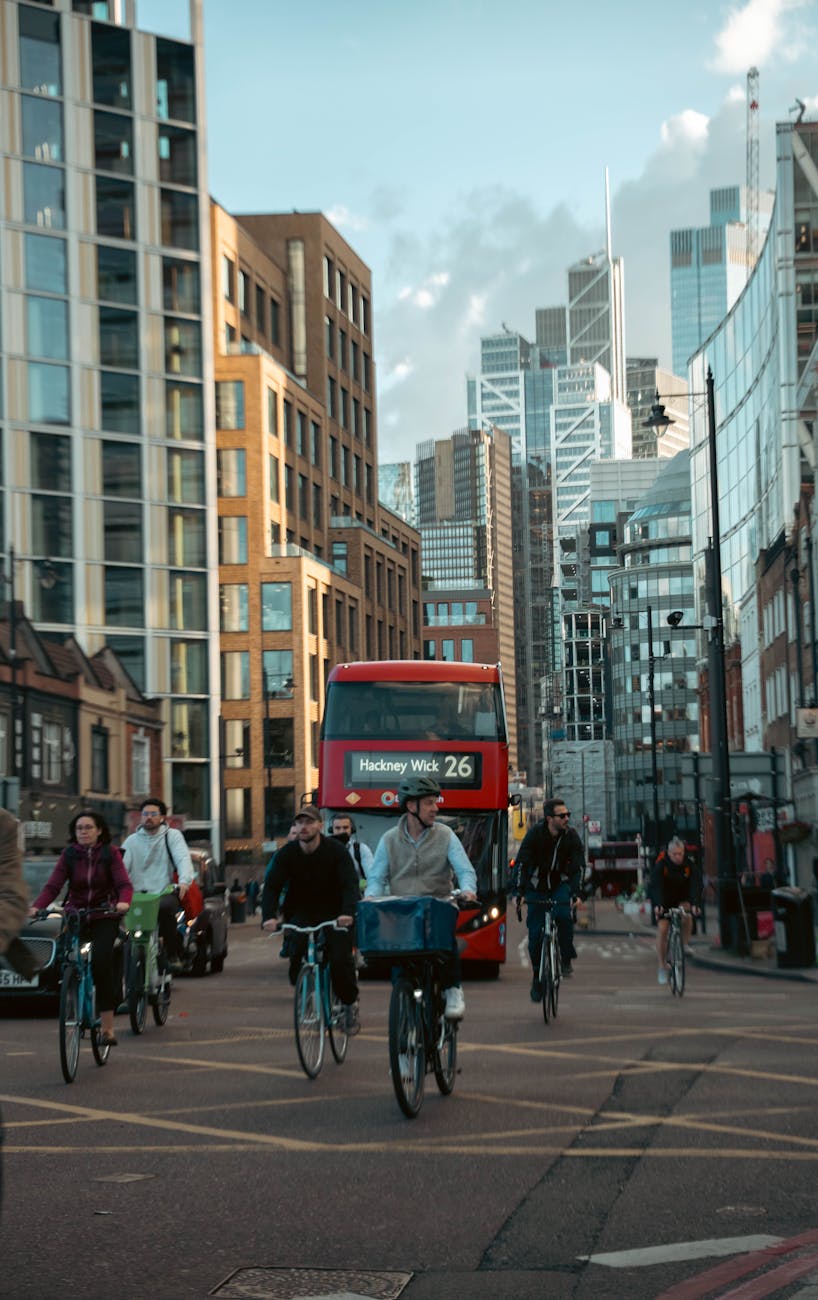
Several major cities around the world, including London, San Francisco and Beijing, have achieved significant reductions in air pollution over the past decade, demonstrating that targeted policies can rapidly improve urban air quality.
An analysis by the Breathe Cities network and the C40 Cities initiative found that 19 cities globally have reduced levels of two major pollutants—fine particulate matter (PM2.5) and nitrogen dioxide (NO₂)—by more than 20 percent since 2010. These improvements are attributed to measures such as expanding cycling infrastructure, promoting electric vehicles and restricting heavily polluting vehicles in urban areas.
Air pollution remains one of the most serious environmental threats to public health. The burning of fossil fuels releases toxic gases and microscopic particles that can penetrate deep into the lungs and bloodstream. These pollutants are associated with respiratory diseases, cardiovascular problems and a wide range of other health conditions.
The analysis examined air quality data from nearly 100 cities worldwide, focusing on those participating in global climate and clean-air networks. It found that sustained policy efforts and investments in cleaner transport systems can produce substantial improvements within about 15 years.
Among the cities analysed, Beijing and Warsaw recorded the largest reductions in PM2.5 pollution, cutting levels by more than 45 percent. Fine particulate matter is one of the most dangerous forms of air pollution because its tiny particles can travel deep into the lungs and enter the bloodstream, potentially damaging organs throughout the body.
Meanwhile, Amsterdam and Rotterdam achieved the largest reductions in nitrogen dioxide levels, lowering concentrations by more than 40 percent. Nitrogen dioxide is primarily produced by vehicle exhaust and fossil fuel combustion and can irritate airways while contributing to the formation of acid rain.
San Francisco stood out as the only city in the United States to reduce both PM2.5 and nitrogen dioxide levels by more than 20 percent during the study period.
Cities in China and Hong Kong accounted for nearly half of the 19 cities that achieved the most significant improvements, while the remaining cities were largely located across Europe. The results suggest that meaningful progress in air pollution reduction is possible across different political systems and economic conditions when governments prioritise clean air policies.
The report highlighted several strategies that have helped cities reduce pollution levels. In China, a rapid transition from combustion engine vehicles to electric cars has played an important role in improving urban air quality. European cities have focused on expanding cycling lanes and public transport systems to reduce reliance on private vehicles.
London has implemented restrictions on high-emission vehicles through policies that limit access to city centres for the most polluting cars and trucks. These measures have encouraged the adoption of cleaner vehicles and reduced traffic-related emissions.
In Warsaw, air quality improvements have been supported by efforts to phase out coal and wood heating systems in homes. Replacing these systems with cleaner alternatives has helped reduce emissions from household energy use, which is a major source of particulate pollution in many cities.
The report suggests that urban policy interventions can deliver rapid improvements in air quality when implemented consistently over time. Although national policies and economic changes also influence pollution levels, local initiatives—such as transport reforms and urban planning—can play a decisive role in reducing emissions.
Despite these success stories, global air pollution remains a major concern. A separate global assessment by IQAir found that almost every country in the world still has air quality levels that exceed recommended health standards.
According to guidelines established by the World Health Organization, only a small number of countries currently meet the recommended limits for PM2.5 pollution. Health experts say that millions of premature deaths could be prevented each year if these guidelines were widely achieved.
Exposure to polluted air can affect people throughout their lives. Studies have linked air pollution to a wide range of health problems, including low birth weight in infants, asthma in children, heart disease and cancer in adults. Emerging research also suggests that long-term exposure may contribute to cognitive decline and dementia later in life.
Beyond the direct health impacts, air pollution also imposes major economic costs. Illness related to poor air quality can increase healthcare spending, reduce worker productivity and place additional burdens on families and public health systems.
The improvements seen in several global cities offer evidence that strong policies can make a measurable difference. By promoting cleaner transport, reducing fossil fuel use and improving urban planning, cities may be able to significantly lower pollution levels while improving public health and quality of life.




 PARYAWARAN
Leave a comment