Union Minister for Environment, Forest and Climate Change, Bhupender Yadav, chaired the 90th meeting of the Standing Committee of the National Board for Wildlife (SC-NBWL) in Dehradun, where a range of critical policy issues related to wildlife conservation, infrastructure development, and ecological sustainability were deliberated.
The meeting brought together key stakeholders to review proposals spanning multiple sectors, including roads, drinking water supply, transmission lines, irrigation, defence, and other infrastructure projects. These proposals were assessed for their potential environmental impacts, particularly on wildlife habitats and protected areas, reflecting the committee’s role in balancing development with conservation priorities.
A significant highlight of the meeting was the signing of a Memorandum of Understanding (MoU) between the Forest Survey of India (FSI) and the Bhaskaracharya National Institute for Space Applications and Geo-informatics (BISAG-N). The agreement aims to enhance the use of geospatial technologies, remote sensing, and artificial intelligence/machine learning (AI/ML) tools in forest fire management, wildlife conservation, and decision-support systems. This collaboration is expected to improve real-time monitoring, early warning systems, and data-driven policymaking in forest and wildlife management.
The committee also reviewed progress on decisions taken during the 7th meeting of the National Board for Wildlife, taking stock of key national initiatives related to species recovery, habitat management, and institutional strengthening. Members emphasized the importance of sustained monitoring and timely implementation to ensure measurable conservation outcomes.
One of the central discussions focused on maintaining environmental flows in the Chambal River to support riverine biodiversity, including species such as dolphins, gharials, and other aquatic fauna. The committee highlighted the importance of ensuring adequate water flow, particularly during lean seasons, to sustain these fragile ecosystems.
Grassland and rangeland conservation also emerged as a key priority. The committee noted that these ecosystems, despite their ecological and economic significance, remain under-recognized in planning frameworks. Members stressed their role in supporting biodiversity, enhancing carbon sequestration, strengthening climate resilience in drylands, and sustaining pastoral livelihoods. The need for ecosystem-specific restoration strategies, improved mapping, and integration with national commitments like Land Degradation Neutrality was strongly emphasized.
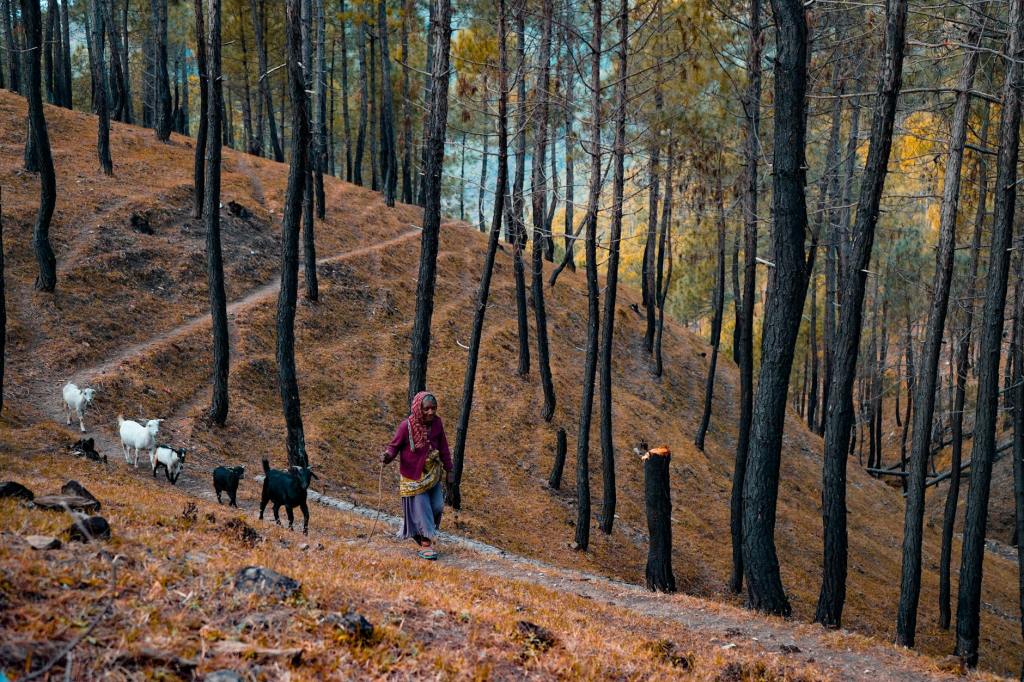
Another important issue discussed was the dependence of nomadic and pastoral communities on protected areas. The committee acknowledged the deep ecological and socio-economic linkages between these communities and natural ecosystems. It called for balanced and inclusive conservation approaches that respect traditional practices while ensuring the protection of biodiversity.
The conservation status of the wild water buffalo was also reviewed during the meeting. Recognizing the species’ vulnerability, the committee recommended the development of a comprehensive conservation action plan aimed at habitat protection, population monitoring, and threat mitigation.
The Standing Committee of the National Board for Wildlife, constituted under the Wildlife (Protection) Act, 1972, plays a crucial advisory role in guiding the government on wildlife conservation and forest protection. The 90th meeting underscored the growing emphasis on integrating technology, community participation, and ecosystem-based approaches into India’s conservation framework, while continuing to navigate the challenges posed by developmental needs.


 PARYAWARAN
Leave a comment