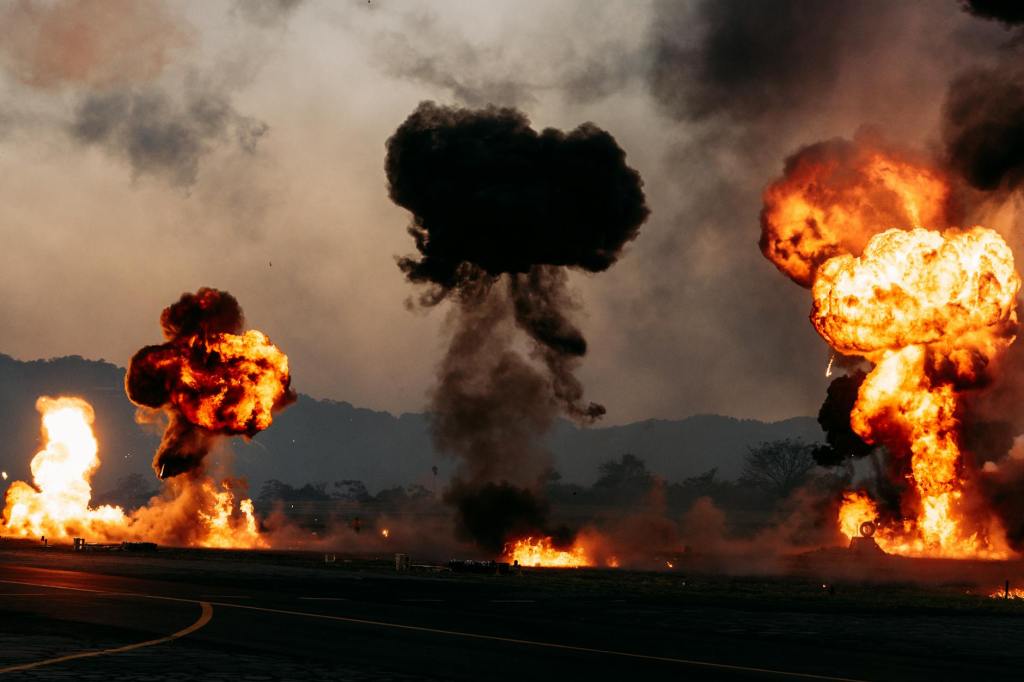
Tehran has been shrouded in a dense and hazardous cloud of pollution following a series of airstrikes that ignited major oil storage facilities across the Iranian capital. Satellite imagery shows that fires at multiple fuel depots continued to burn for days after the attacks, releasing massive quantities of toxic pollutants into the air and raising serious concerns about both immediate and long-term public health impacts.
The strikes, which targeted fuel infrastructure in and around the city on 7 March, triggered large-scale fires that sent thick plumes of smoke across Tehran. Among the affected sites were major oil depots located in the north-west, north-east, south, and western parts of the capital, including a refinery complex. The resulting emissions blanketed the city in a mixture of soot, oil particles, and harmful gases such as sulphur dioxide.
Within hours of the explosions, changing weather conditions worsened the situation. A passing storm interacted with the polluted atmosphere, leading to what residents described as “black rain.” This phenomenon occurred as raindrops absorbed airborne contaminants, effectively concentrating toxic substances and depositing them across streets, buildings, and open spaces. Reports indicated that surfaces across the city—from cars to rooftops—were coated in an oily residue.
Residents across Tehran reported a range of acute health symptoms following the incident, including headaches, eye and skin irritation, and breathing difficulties. Medical concerns have escalated as experts warn that these initial symptoms may only represent the beginning of a broader public health crisis. Prolonged exposure to pollutants from oil fires is known to increase risks of cardiovascular disease, respiratory disorders, neurological damage, and even cancer.
Environmental experts note that burning oil releases a complex mixture of toxic compounds, including sulphur and nitrogen oxides. When these substances combine with atmospheric moisture, they can form acidic compounds that fall back to the ground through precipitation. This process not only affects air quality but also contaminates soil and water systems, posing risks to agriculture and drinking water supplies.
The situation is particularly alarming given Tehran’s pre-existing air quality challenges. The city has long struggled with chronic pollution, partly due to the widespread use of low-grade fuels. However, the scale and intensity of emissions from the recent fires represent an unprecedented escalation, with pollutants accumulating rapidly in a densely populated urban environment.
International environmental agencies have warned that such incidents can have far-reaching consequences. Toxic smoke from oil fires can be directly inhaled by large populations, including vulnerable groups such as children and the elderly. In addition to airborne exposure, pollutants can settle into ecosystems, leach into groundwater, and enter food chains through contaminated crops.
There are also broader environmental implications beyond Tehran. Similar incidents linked to ongoing regional conflict have resulted in oil spills at sea, damage to industrial infrastructure, and widespread ecological disruption. Experts emphasize that the environmental cost of such events often persists long after the fires are extinguished, leaving behind a legacy of contamination and health risks.
The strikes on fuel infrastructure in a densely populated city have drawn global concern, not only for their immediate humanitarian implications but also for their environmental consequences. Pollution from uncontrolled fires is notoriously difficult to manage, and the lack of containment measures can allow toxins to spread across large areas.
In Tehran, the aftermath has forced residents to adopt precautionary measures. Health advisories have urged people to limit outdoor exposure, use protective masks, avoid contact with contaminated rainwater, and take steps to prevent bringing pollutants into their homes. Reports suggest that even alternative water sources have been affected, with visible signs of contamination appearing in stored water.
Experts caution that the long-term health impact will depend largely on the duration and intensity of exposure. However, they agree that the combination of airborne toxins, contaminated rainfall, and environmental deposition creates a high-risk scenario for both human health and ecological stability.
As fires continue to smoulder and pollutants linger in the environment, Tehran faces a growing crisis that underscores the environmental toll of modern conflict. The incident highlights how attacks on energy infrastructure can rapidly escalate into large-scale ecological disasters, affecting not just immediate targets but entire urban populations and surrounding ecosystems for years to come.




 PARYAWARAN
Leave a comment