The world’s climate is moving deeper into crisis, according to the United Nations’ latest global climate report for 2025. The report presents a clear and urgent message: the planet is warming at an unprecedented rate, and the impacts are already being felt across the globe.
The findings confirm that the past eleven years, from 2015 to 2025, have been the hottest ever recorded. The year 2025 itself ranks among the top three warmest years in history, with global temperatures reaching about 1.43°C above pre-industrial levels. This steady rise in temperature is largely driven by human activities, especially the burning of fossil fuels.
One of the most alarming signals in the report is the level of greenhouse gases in the atmosphere. Carbon dioxide, methane, and nitrous oxide are now at their highest levels in at least 800,000 years. The increase in carbon dioxide in 2024 was the largest ever recorded in a single year since modern measurements began. These gases trap heat in the atmosphere, making the Earth warmer and disturbing the natural balance of the climate.
For the first time, the report highlights Earth’s “energy imbalance” as a key indicator. This means that more heat is entering the planet than leaving it. Normally, incoming solar energy and outgoing heat remain balanced. But now, due to rising greenhouse gases, that balance has been disrupted. As a result, excess heat is building up in the climate system.
Most of this extra heat—over 90%—is being absorbed by the oceans. The report shows that ocean heat content reached a new record high in 2025. The rate of ocean warming has also increased sharply in recent decades. Today, the oceans absorb an enormous amount of heat every year, acting like a buffer that slows down warming on land. However, this also leads to serious consequences such as marine heatwaves and damage to ocean ecosystems.
In 2025, nearly 90% of the ocean surface experienced at least one marine heatwave. At the same time, oceans continue to absorb large amounts of carbon dioxide, which makes seawater more acidic. This process, known as ocean acidification, harms marine life, especially corals and shell-forming species. Scientists say current ocean acidity levels are unlike anything seen in at least 26,000 years.
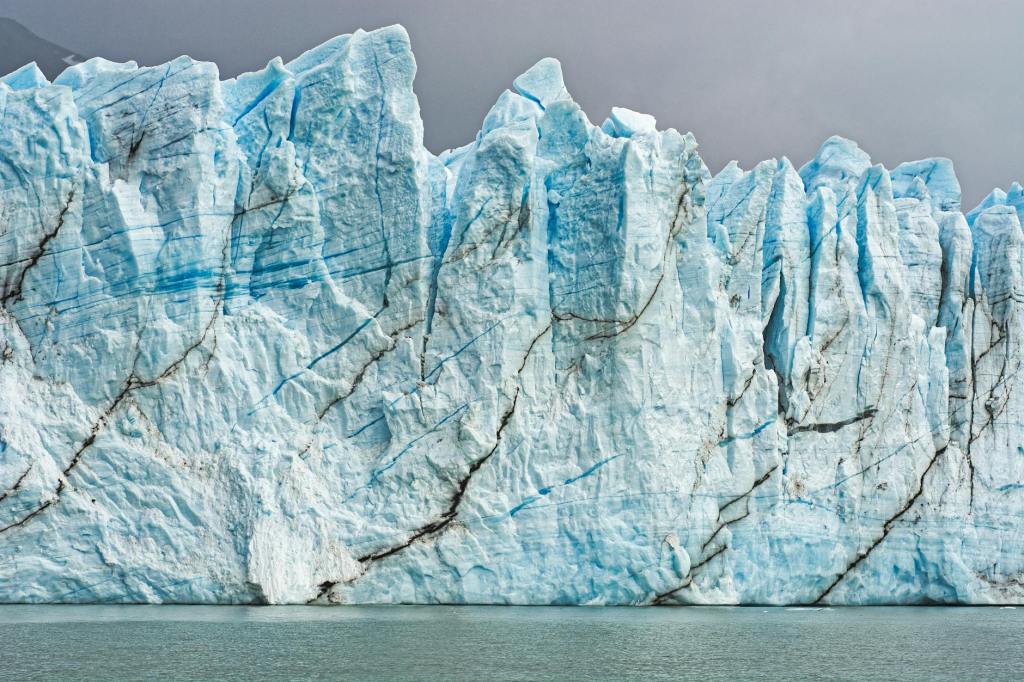
The report also highlights worrying changes in ice-covered regions. Glaciers around the world are melting rapidly, with the past decade seeing some of the highest rates of ice loss on record. Arctic sea ice remains at very low levels, while Antarctic sea ice has reached some of its lowest extents in recent years. These changes contribute directly to rising sea levels.
Global sea levels have risen by about 11 centimetres since 1993, and the rate of rise is increasing. This poses a serious threat to coastal cities and island nations, where flooding and erosion are becoming more frequent. Scientists warn that sea level rise and ocean warming will continue for centuries, even if emissions are reduced now.
The human impact of climate change is already severe. In 2025, extreme weather events such as heatwaves, floods, storms, and wildfires caused thousands of deaths and affected millions of people worldwide. Economic losses from these disasters are also rising.
Heat stress is becoming a major concern, especially for workers in outdoor jobs like farming and construction. Around 1.2 billion people are at risk of extreme heat exposure each year. In addition, diseases such as dengue are spreading more widely due to changing climate conditions, putting nearly half the global population at risk.
The report makes it clear that these changes have happened rapidly, within just a few decades. However, their effects will last for hundreds or even thousands of years. It warns that the window for meaningful action is closing quickly.
In simple terms, the message is clear: the planet is under serious stress, and urgent action is needed. Without strong and immediate steps to reduce emissions and shift to cleaner energy, the risks to people, ecosystems, and economies will continue to grow.
The report serves as a strong reminder that climate change is no longer a distant threat—it is a present and growing crisis that demands global attention and action now.




 PARYAWARAN
Leave a comment