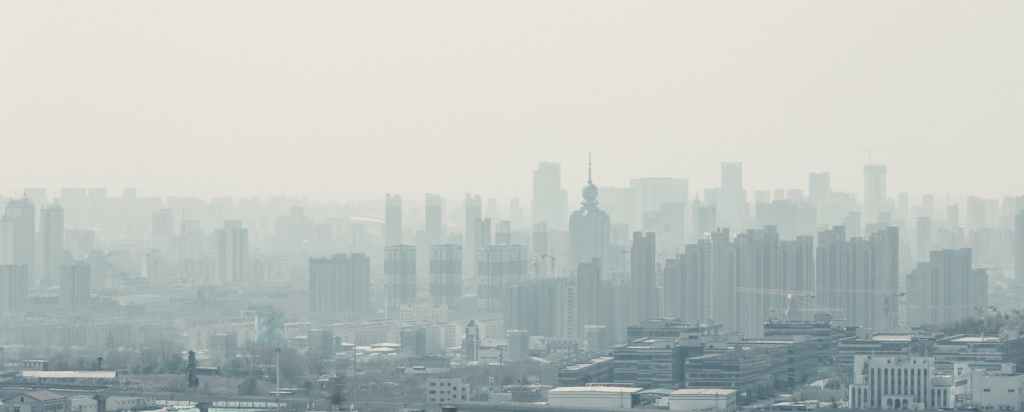
A newly released global assessment by IQAir has revealed a sharp deterioration in air quality worldwide, with only 13 countries meeting safe air standards in 2025. The findings highlight the growing scale of pollution driven by climate change, fossil fuel combustion, and extreme weather events.
According to the 2025 World Air Quality Report, just 14 per cent of cities globally met safe air quality guidelines, marking a decline from 17 per cent in the previous year. The analysis covered 9,446 cities across 143 countries, regions, and territories, underscoring the widespread nature of the crisis.
India emerged as a major hotspot, hosting the world’s most polluted city and accounting for a large share of the worst-affected urban areas. The report found that all of the world’s 25 most polluted cities were located in India, Pakistan, and China, with Indian cities dominating the top rankings.
The northern Indian city of Loni recorded the highest annual average concentration of PM2.5—fine particulate matter—at 112.5 micrograms per cubic metre, more than 22 times higher than the safe limit set by the World Health Organization. Major contributors to pollution in such cities include traffic emissions, industrial activity, road dust, and waste burning.
PM2.5 particles, which are smaller than 2.5 micrometres, pose serious health risks as they can penetrate deep into the lungs and enter the bloodstream. Long-term exposure has been linked to respiratory illnesses, cardiovascular diseases, and cancer, making air pollution one of the leading environmental health threats globally.
At the other end of the spectrum, Nieuwoudtville in South Africa recorded the lowest pollution levels, with an annual PM2.5 concentration of just 1.0 micrograms per cubic metre, well within safe limits.
Globally, only 13 countries and territories remained within the WHO’s recommended annual PM2.5 guideline of 5 micrograms per cubic metre. Among them were three European nations—Estonia, Iceland, and Andorra—making Europe one of the few regions with pockets of relatively clean air. Other countries meeting the standards included Australia and several island territories such as Bermuda and French Polynesia.
However, the broader picture across Europe remains concerning. In 2025, 23 European countries recorded increases in PM2.5 levels, while 18 saw improvements. Pollution spikes were linked to wildfire smoke, dust transport, and weather patterns that trapped pollutants near the ground.
Wildfires played a particularly significant role in worsening air quality. Europe experienced its worst wildfire year on record, with extensive blazes destroying forests, farmland, and homes. These fires peaked in August and contributed to a surge in airborne pollutants. Extreme weather events—including heatwaves, floods, and droughts—also caused economic losses exceeding €43 billion across the continent.
In countries such as Switzerland and Greece, PM2.5 levels rose by more than 30 per cent, largely due to transboundary pollution from wildfire smoke originating in North America and dust storms from the Sahara. Meanwhile, Malta recorded the most significant improvement, driven by a shift toward renewable energy and policies aimed at reducing traffic emissions.
Real-time air quality rankings further highlighted the volatility of pollution levels. Major global cities including Paris, Beijing, Dhaka, Wuhan, and Seoul frequently appeared among the most polluted in live monitoring, reflecting the dynamic and often unpredictable nature of air quality.
The Copernicus Atmosphere Monitoring Service also reported elevated PM2.5 levels across Europe in March 2025. Seasonal agricultural emissions, particularly ammonia from fertilisers, combined with pollen surges and stagnant atmospheric conditions, contributed to deteriorating air quality. Background pollution from fossil fuel combustion continued to affect regions in Eastern Europe and the Balkans.
Despite some improvements in certain regions, the report emphasised persistent global disparities in monitoring and data availability. While 75 countries recorded reductions in annual PM2.5 levels, 54 experienced increases, and two remained unchanged.
Significant gaps in air quality monitoring remain a major concern. Many regions lack access to real-time, localised data, limiting the ability of communities and policymakers to respond effectively. Monitoring efforts have weakened in several countries, leaving populations without reliable information on the air they breathe.
The Centre for Research on Energy and Clean Air reported that monitoring systems in dozens of countries have been compromised, with some nations losing access entirely. These gaps hinder efforts to track pollution trends and implement targeted interventions.
The findings reinforce the growing link between climate change and air pollution. Rising temperatures, increased frequency of wildfires, and shifting weather patterns are amplifying pollution levels, while continued reliance on fossil fuels remains a primary driver.
The report concludes that without expanded monitoring systems, stronger emissions controls, and accelerated climate action, global air quality is likely to continue deteriorating, posing increasing risks to public health, ecosystems, and economic stability.


 PARYAWARAN
Leave a comment