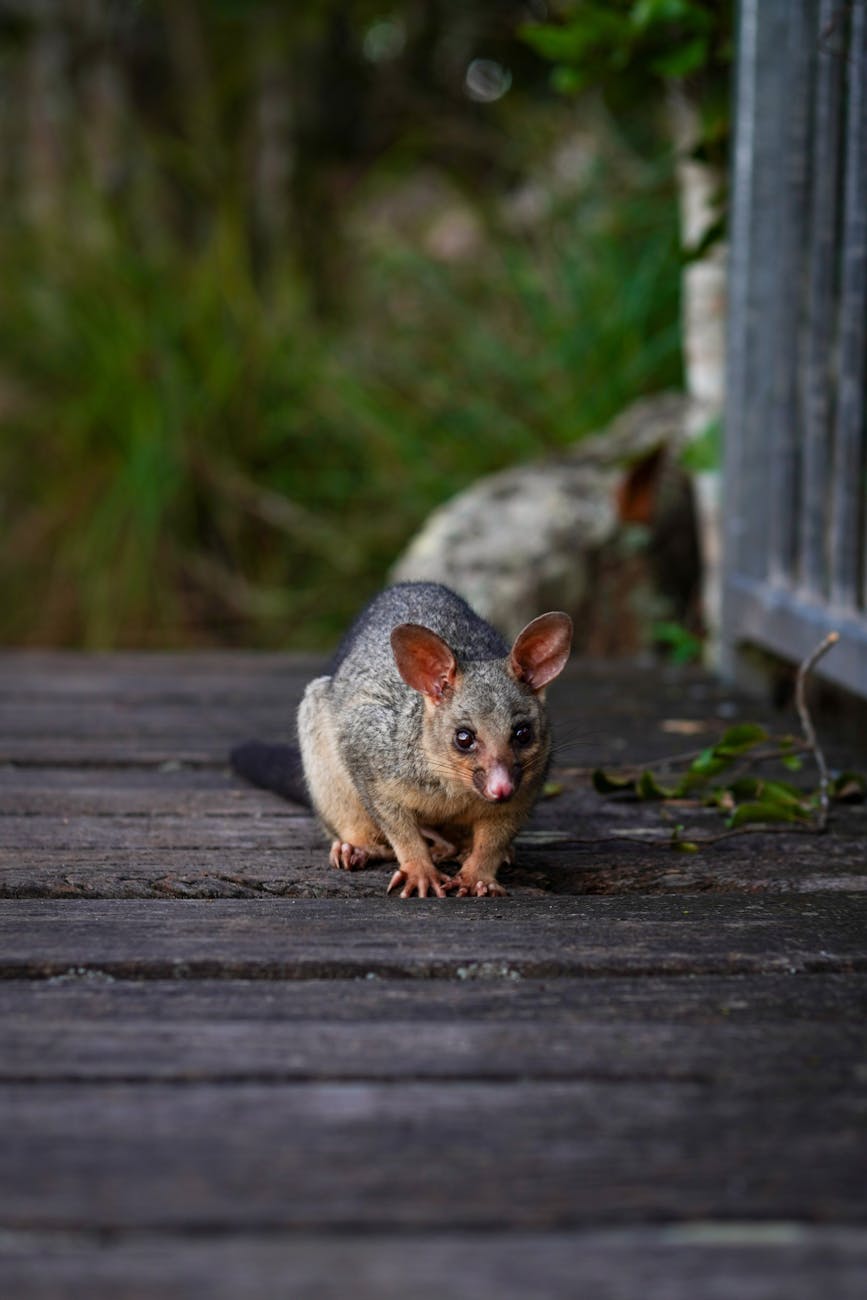
An illegal wildlife smuggling operation involving 114 animals has been thwarted in Indonesia, with surviving animals successfully rehabilitated and released back into their natural habitat in Papua. The intercepted consignment included rare and endemic species such as tree kangaroos, cuscuses (Australasian possums), and several reptiles, including snakes, lizards, and forest dragons.
The animals were discovered aboard a vessel traveling from Papua Island to Surabaya, one of Indonesia’s busiest port hubs. Authorities suspect the animals were being trafficked for illegal wildlife markets, potentially destined for private collectors and unregulated zoos abroad, including in India. The case underscores the persistent demand for exotic wildlife and the transnational networks that sustain such illegal trade.
Upon interception, the animals were handed over to local conservation authorities in Ternate, where assessments revealed the devastating toll of the journey. Many animals had already died due to extreme stress, dehydration, and suffocation. Survivors were found in highly inhumane conditions—tree kangaroos hidden inside a boat’s toilet compartment, cuscuses crammed into small boxes, and reptiles stuffed into plastic bottles.
The rescue and rehabilitation efforts were led by the Jakarta Animal Aid Network (JAAN), working in collaboration with the International Fund for Animal Welfare (IFAW). Both organizations have long partnered to combat wildlife trafficking and improve rescue outcomes for confiscated animals. Veterinary teams reported that the surviving animals were severely weakened, suffering from injuries, dehydration, and illness.
Emergency care was immediately administered to stabilize the remaining animals. Over the following days, the animals were carefully transported back toward their native ecosystems in West Papua. The journey included continuous monitoring, feeding, and hydration to ensure their recovery before release.
The release operation began on March 8, with the animals transported by boat under close supervision. By March 10, they had reached designated release sites within Papua’s forests. Before being fully released, the animals were placed in temporary enclosures near the site, allowing them to gradually readjust to the natural environment.
Once released, the animals quickly exhibited natural behaviors. Tree kangaroos and cuscuses climbed trees almost immediately, while reptiles dispersed into the forest floor and undergrowth. Conservationists monitoring the release described the transition as a positive indicator of recovery and adaptability after the trauma of trafficking.
All the rescued animals are endemic to Papua, meaning they are found nowhere else in the world. Their survival is critical not only for biodiversity but also for maintaining ecological balance in the region’s fragile rainforest ecosystems.
Authorities have confirmed the arrest of individuals involved in the smuggling operation, marking a significant step in disrupting wildlife trafficking routes in Southeast Asia. However, conservationists warn that such incidents are part of a larger, ongoing crisis driven by illegal demand for exotic pets and wildlife products.
IFAW, a global non-profit organization operating in over 40 countries, focuses on rescuing, rehabilitating, and releasing animals while protecting their habitats. The organization combines scientific expertise with on-ground action, working alongside governments, communities, and partner organizations to address complex conservation challenges.
JAAN, based in Indonesia, is dedicated to reducing animal suffering and combating cruelty. The organization works through rescue operations, advocacy, and public awareness campaigns to improve animal welfare and prevent exploitation. It emphasizes education and community engagement as key tools in building a more compassionate approach toward wildlife.
The joint efforts of JAAN and IFAW in this case highlight the importance of collaboration in tackling wildlife crime. From interception to rehabilitation and release, the operation demonstrates how coordinated action can give trafficked animals a second chance in the wild while reinforcing the urgency of combating illegal wildlife trade at its roots.


 PARYAWARAN
Leave a comment