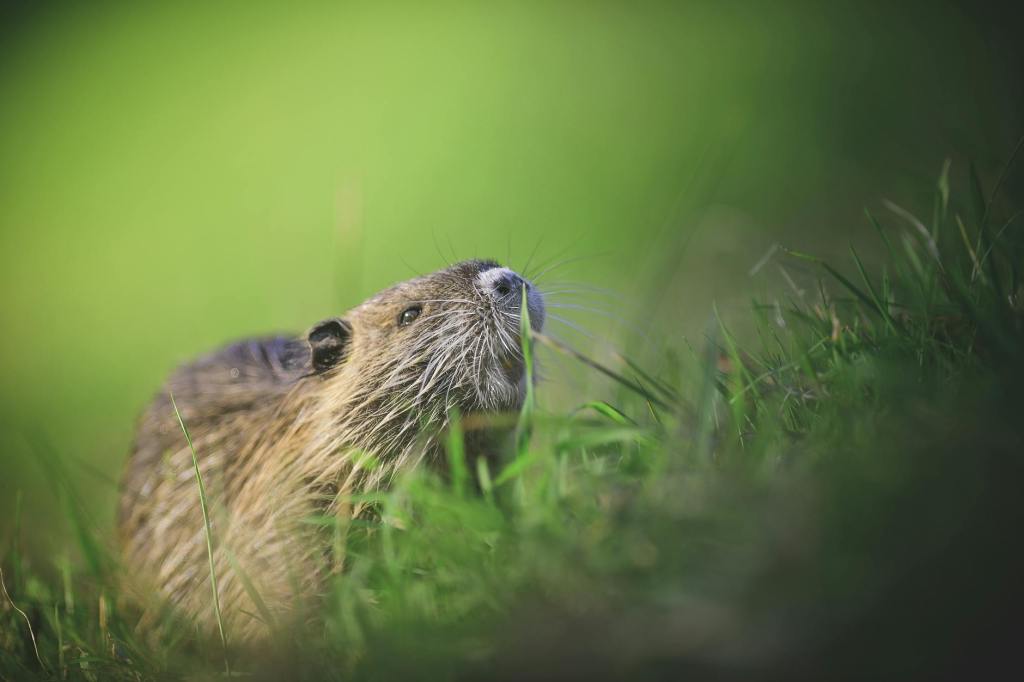
Wild animals are playing a far more significant role in shaping the Earth’s surface than previously understood, according to a new global study led by researchers from Queen Mary University of London. The research highlights how everyday activities of animals—from burrowing and feeding to building shelters—actively modify landscapes and influence key environmental processes.
The study, a comprehensive meta-analysis, examined data from 64 scientific studies covering 61 species across both freshwater and terrestrial ecosystems. It provides one of the most detailed quantitative assessments to date of how wildlife contributes to geomorphic processes—the natural mechanisms that shape landforms through the movement of soil and sediment.
The findings reveal that animal activity can dramatically alter these processes. In freshwater environments such as rivers and lakes, wildlife was found to change geomorphic activity by an average of 136 percent. In terrestrial ecosystems, including forests and grasslands, the impact was measured at 66 percent. These figures demonstrate that animals are not passive inhabitants of ecosystems but active agents of physical transformation.
Across ecosystems, animals influence landscapes in multiple ways. Burrowing species such as rodents and insects loosen and redistribute soil, increasing its porosity and allowing water to penetrate more easily. Aquatic animals, including fish and invertebrates, disturb riverbeds as they move, feed, or build nests, thereby altering sediment flow and channel structure. Larger species, through trampling, grazing, or digging, also contribute to reshaping terrain over time.
One of the key insights from the study is the consistent way in which animals modify soil and sediment composition. Their activities tend to reduce the proportion of fine particles while increasing the overall porosity of soils. These changes directly affect how water moves through the ground, influencing processes such as drainage, erosion, and nutrient cycling.
Such modifications have cascading effects on ecosystems. Increased soil porosity can enhance water infiltration, reducing surface runoff and potentially lowering erosion rates in some contexts. Conversely, disturbances in riverbeds can alter water flow patterns, affecting aquatic habitats and the distribution of sediments downstream. Over time, these small, repeated actions accumulate to produce significant changes in landscape structure and function.
The research spans a wide range of species from nine different taxonomic classes, underscoring the diversity of animals involved in shaping the Earth’s surface. From microscopic organisms to larger mammals, the study highlights that landscape engineering is not limited to a few well-known species but is a widespread ecological phenomenon.
This study builds on earlier work that identified more than 600 animal taxa as contributors to Earth surface processes. By providing quantitative evidence, the new research strengthens the case for recognizing animals as key drivers of geomorphic change, alongside physical forces such as wind, water, and tectonic activity.
Despite these findings, the researchers emphasize that the current understanding likely underestimates the true scale of animal influence. Many species, particularly in remote or less-studied regions, have not been adequately examined for their role in landscape modification. As a result, the cumulative impact of wildlife on geomorphic processes may be even greater than current estimates suggest.
The implications of this research extend beyond academic interest. Understanding how animals shape landscapes can play a crucial role in predicting how ecosystems respond to environmental changes, including climate change and biodiversity loss. As species decline or disappear from ecosystems, their absence could alter soil stability, water flow, and sediment transport, potentially leading to unforeseen environmental consequences.
The study also reinforces the importance of biodiversity conservation. Protecting animal populations is not only vital for preserving species but also for maintaining the physical processes that sustain ecosystems. The loss of key “ecosystem engineers” could disrupt natural landscape dynamics, affecting everything from soil health to river systems.
Published in the Journal of Geophysical Research: Earth Surface, the study marks a significant step forward in understanding the interconnected roles of biology and geology. It highlights the need to integrate ecological knowledge into models of landscape evolution and environmental management strategies.
As global ecosystems face increasing pressure from human activity, the recognition of animals as fundamental contributors to Earth’s physical systems adds a new dimension to conservation science. The findings suggest that safeguarding wildlife is essential not only for ecological balance but also for preserving the very processes that shape the planet’s surface.

 PARYAWARAN
Leave a comment