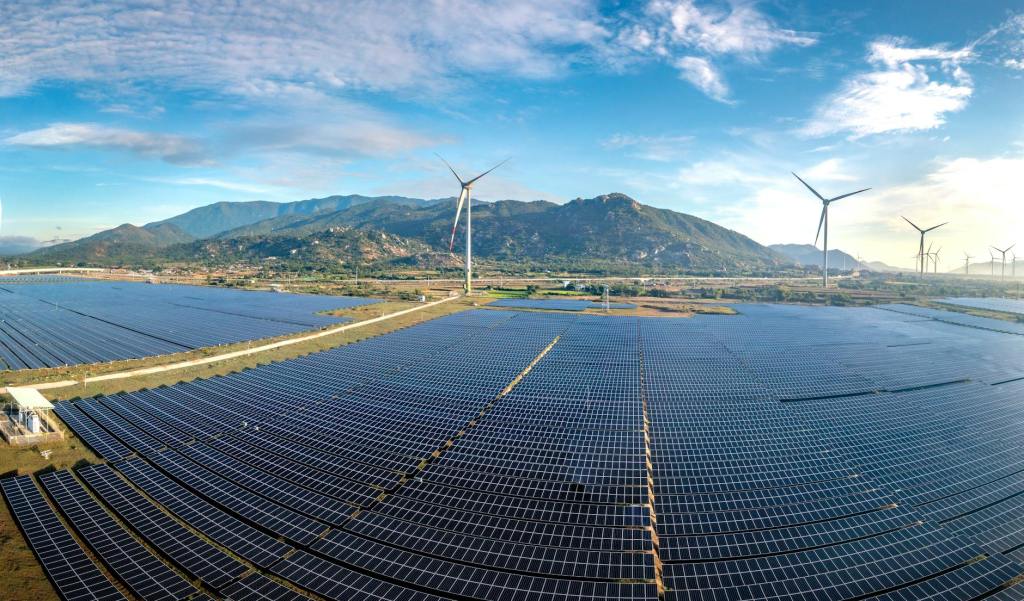
China’s position as a global clean energy leader is increasingly overshadowed by its continued dependence on coal, raising concerns about its ability to meet long-term climate goals. Even as the country installs record levels of renewable energy, it continues to approve and construct coal-fired power plants at a pace unmatched anywhere in the world.
The unveiling of China’s latest five-year economic plan has intensified scrutiny of its climate commitments. The plan outlines the country’s development priorities through 2030, a critical milestone year when emissions were expected to peak. However, analysts warn that the absence of clear limits on coal expansion in the new policy framework signals a troubling shift away from earlier climate ambitions.
China remains the world’s largest installer of renewable energy, having added massive solar and wind capacity in recent years. This rapid expansion has enabled the country to meet much of its rising electricity demand through cleaner sources. Yet, despite this progress, coal continues to dominate the energy mix. While coal’s share in total energy consumption has declined over the past decade, the absolute volume of coal use has continued to grow due to surging demand for electricity driven by industrial expansion and urbanization.
Energy security remains a central factor behind China’s continued reliance on coal. Unlike oil and gas, which depend heavily on imports and vulnerable supply routes, coal is domestically abundant. This makes it a strategically reliable energy source, particularly in times of geopolitical uncertainty or supply disruptions. As a result, policymakers continue to view coal as a necessary backbone of the national energy system.
Recent energy crises have reinforced this perspective. Power shortages in several provinces following a post-pandemic surge in industrial activity exposed vulnerabilities in the energy supply chain. Similarly, extreme weather events, including droughts that reduced hydropower output, highlighted the risks of overdependence on specific energy sources. In response, provincial authorities accelerated approvals for new coal plants to ensure stable electricity supply and support economic growth.
This surge in coal development has been dramatic. New coal capacity approvals reached record highs in recent years, with dozens of projects moving forward despite concerns about overcapacity. Many of these plants are being built in regions that already have sufficient power generation, raising fears that they could become underutilized or economically unviable in the future.
The continued expansion of coal infrastructure presents a dual challenge. On one hand, it risks locking the country into high emissions for decades, undermining global climate efforts. On the other, it creates the possibility of stranded assets as cleaner technologies become more cost-effective and policy pressures intensify. Analysts suggest that without canceling new projects or retiring existing plants early, meaningful reductions in coal consumption will remain unlikely.
Structural issues within China’s energy system further complicate the transition. Power generation and distribution are influenced by provincial governments and state-owned enterprises, many of which prioritize economic stability and employment over emissions reductions. Coal-producing regions, in particular, have strong incentives to sustain the industry due to its role in local economies.
Although reforms have been introduced to improve grid access for renewable energy, challenges persist. Historically, coal plants have enjoyed priority in supplying electricity to the grid, sometimes leading to wastage of renewable power during periods of high generation. While storage technologies such as batteries and pumped hydro have expanded rapidly, helping to address the intermittency of renewable energy, coal continues to be used as a backup to stabilize the grid.
However, this role is not without inefficiencies. Coal plants are not designed for flexible, on-demand operation and often run continuously at low levels to remain ready for sudden demand spikes. This practice increases fuel consumption and emissions, reducing the overall environmental benefits of renewable energy expansion.
Despite improvements in energy efficiency, China has struggled to meet its own targets. Slower-than-expected gains in energy intensity indicate that emissions reductions are not keeping pace with economic growth. Adjustments in how these metrics are calculated have also raised concerns about transparency and the true extent of progress.
The coming years will be decisive. China’s ability to balance its economic priorities, energy security concerns, and environmental commitments will determine whether it can achieve its stated climate goals. While its leadership in renewable energy offers significant potential, continued dependence on coal risks undermining these gains.
As the world’s largest emitter of greenhouse gases, China’s energy choices carry global implications. The trajectory set in the current decade will not only shape its domestic future but also influence the broader fight against climate change.




 PARYAWARAN
Leave a comment