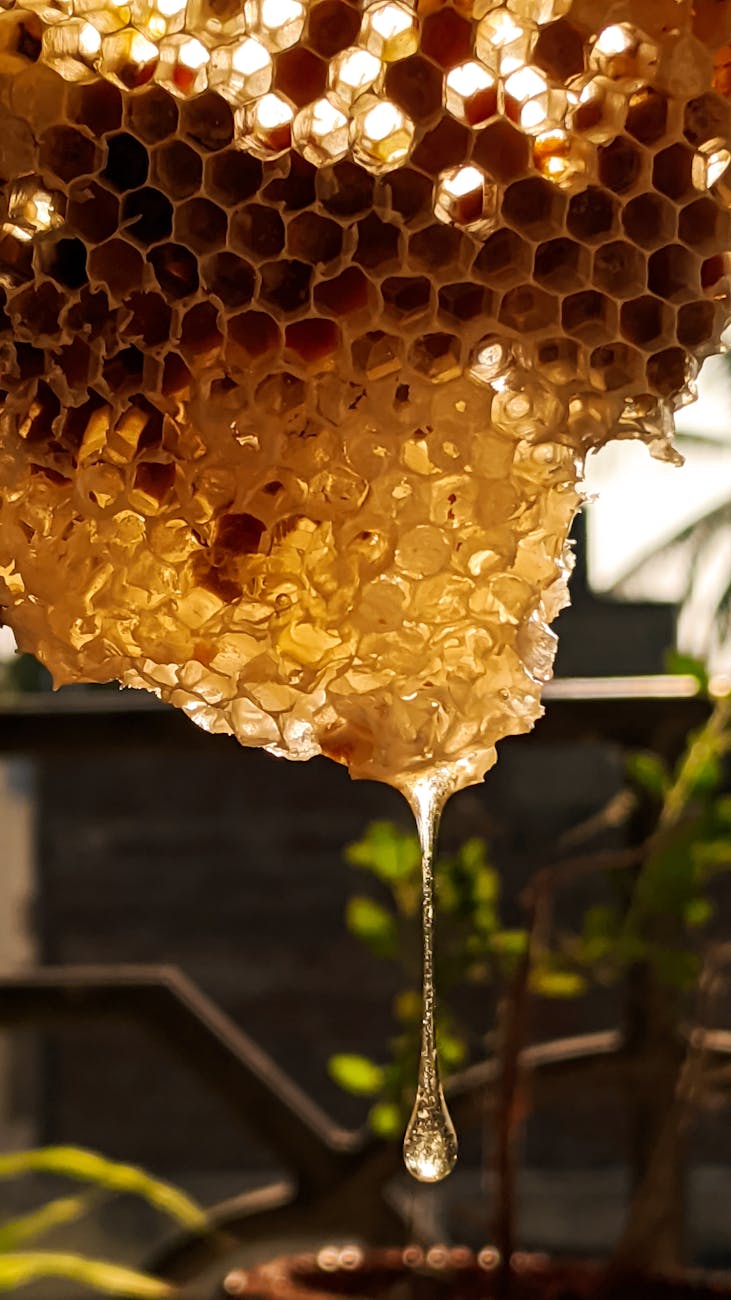
A new scientific study has revealed that honey may hold the key to protecting endangered forests, offering insights into biodiversity, ecosystem health, and sustainable conservation practices. Drawing on the concept of terroir—commonly associated with wine—the research demonstrates how the flavor and chemical composition of honey are shaped by the landscapes where bees forage, turning it into a powerful ecological indicator.
The findings, published in Scientific Reports, focus on wild honey collected from a remote island in the Philippines. Researchers discovered that this honey carried a distinct chemical signature linked almost entirely to a single tree species: Pterocarpus indicus, commonly known as narra. This tree, valued for its hardwood, is considered endangered in many parts of the country due to decades of overexploitation.
The study highlights how honey can act as a “chemical fingerprint” of its surrounding environment. By analyzing its molecular composition, scientists can identify the plant species that bees rely on, offering a detailed snapshot of local flora. This approach not only helps map biodiversity but also underscores the ecological importance of specific plant species that support pollinators and local livelihoods.
Researchers employed advanced techniques such as liquid chromatography-mass spectrometry to break down the honey into its chemical components. This process enabled the identification of compounds that could be traced back to particular plants. One of the most significant findings was the presence of high levels of hypaphorine, an amino acid strongly associated with the narra tree. The discovery of narra pollen grains in the honey further confirmed the tree’s dominant role in shaping its composition.
The research also revealed how sensitive honey is to its surroundings. Samples collected near agricultural areas showed traces of compounds linked to cultivated plants, such as caffeine from nearby coffee farms. This variability reinforces the idea that honey can serve as a precise ecological indicator, reflecting even subtle changes in land use and vegetation.
Beyond its scientific value, the study carries important implications for conservation. By identifying the plant species that contribute to honey production, researchers can prioritize reforestation efforts and habitat protection. In this case, the strong link between honey and the narra tree highlights the need to restore and conserve this species, which plays a vital role in supporting pollinators and maintaining forest ecosystems.
The findings also emphasize the interconnectedness of forests, wildlife, and Indigenous communities. Wild honey is often harvested using traditional methods that depend on healthy ecosystems. Protecting the forests that sustain these practices not only preserves biodiversity but also supports cultural heritage and local economies.
Another significant application of this research lies in combating honey adulteration. The global honey market is increasingly affected by the presence of counterfeit products diluted with sugar syrups. By establishing chemical fingerprints for authentic, wild honey, scientists can develop methods to distinguish genuine products from adulterated ones. This has the potential to protect both consumers and small-scale producers who rely on the integrity of their products.
The concept of honey terroir is not limited to one region. Scientists suggest that similar approaches could be applied worldwide, using honey as a tool to monitor ecosystems and guide conservation strategies. Each batch of honey, shaped by the plants and conditions of its environment, provides valuable data that can inform environmental management and policy decisions.
Importantly, this approach integrates conservation into everyday products, making it more accessible and tangible. Instead of relying solely on large-scale environmental interventions, it demonstrates how natural processes and traditional practices can contribute to ecological sustainability.
The study also reinforces the importance of protecting remaining forest habitats. In many regions, deforestation and land-use changes have reduced the availability of key plant species, disrupting the delicate balance between pollinators and their environment. By revealing these connections, honey analysis can help guide efforts to restore degraded landscapes and maintain biodiversity.
As climate change and habitat loss continue to threaten ecosystems worldwide, innovative approaches like this are gaining attention. The ability to use a common natural product as a scientific and conservation tool represents a shift toward more integrated and practical solutions.
Ultimately, the research illustrates that honey is more than just a food product. It is a record of ecological relationships, capturing the essence of the landscapes where it is produced. By decoding this information, scientists and conservationists can gain new insights into how ecosystems function and how they can be protected.
In a time of growing environmental challenges, the concept of honey terroir offers a compelling reminder that solutions can often be found in nature itself. Through careful study and sustainable practices, even something as simple as honey can play a role in safeguarding the world’s endangered forests.



 PARYAWARAN
Leave a comment